


The Auckland region is packed with native birdlife and one of the best places in the country for birdwatching. From rugged west coast beaches and peaceful regional parks to suburban gardens and local sports fields, birds are everywhere once you start paying attention.
There’s something magical about an Auckland winter’s day when the rain clouds finally clear, the sun appears and the air feels crisp and sparkling. It’s the perfect excuse to pull on a jacket, grab a coffee and head outdoors and one of the easiest ways to add a little wonder to your day is to look up and notice the birds around you.
New Zealand is known as the seabird capital of the world and Auckland is perfectly positioned to see some of our most iconic species. Even if the weather isn’t playing ball, your own backyard can become a front-row seat to a surprising amount of feathered activity.
You don’t need to be an expert birder either. A decent pair of binoculars helps, but curiosity is the real essential. Listen for unusual calls, watch for flashes of colour and keep an eye out for birds behaving in funny or fascinating ways.
Urban Auckland - the silvereye, kingfisher, fantail, tūī and pūkeko
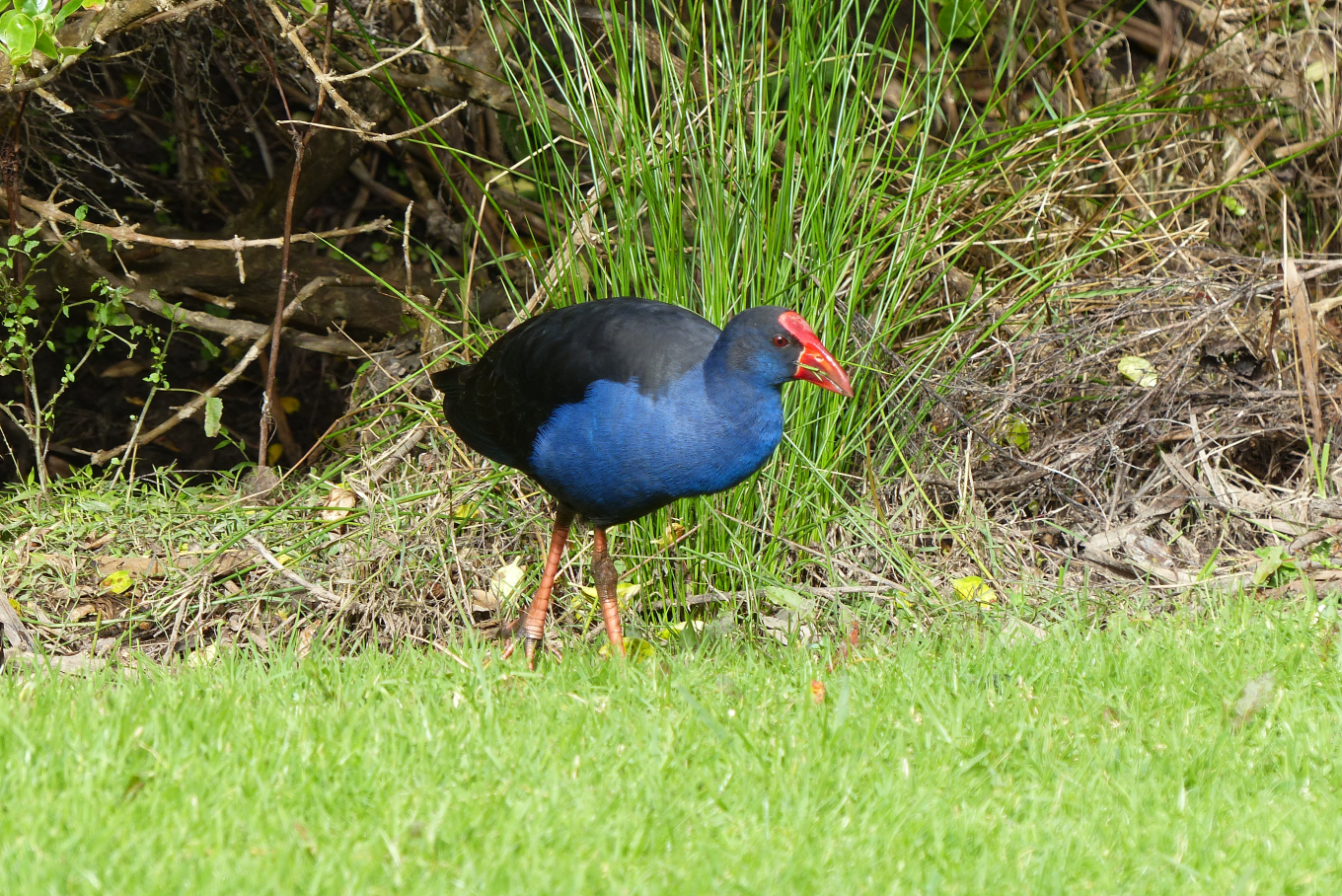
A pukeko in the wetlands.
One of the easiest to spot is the cheerful silvereye, also known by its Māori name tauhou, meaning “stranger”. The tiny olive-green bird arrived from Australia in the 1850s entirely on its own steam, making it a native despite being a relatively recent arrival.
Then there’s the ever-watchful kingfisher/kōtare, often perched proudly on powerlines, fence posts or rugby goalposts. In Māori folklore the kōtare is considered a guardian and keen-eyed observer and it’s also handy at keeping pesky plague skinks under control.
Fantails /pīwakawaka, are the extroverts of the bird world. If one starts darting around you while you’re gardening or walking through a park, don’t panic, it’s chasing the insects you’re disturbing. Their lively side-to-side movements are said to inspire the wero, or challenge, performed during a pōwhiri.
And of course, there’s the tūī. Winter is one of the best times to spot these spectacular birds in urban gardens as they flock to flowering trees for nectar. Their bubbling, complex songs and dramatic white throat tufts make them impossible to ignore.
Even the much-loved pūkeko deserves a second look. These adaptable blue-and-red wetland birds live in large social groups where the whole family helps raise the chicks together, essentially running their own feathery daycare centre.
Coastal Auckland – the dotterel, wrybill, oystercatcher, heron and shag
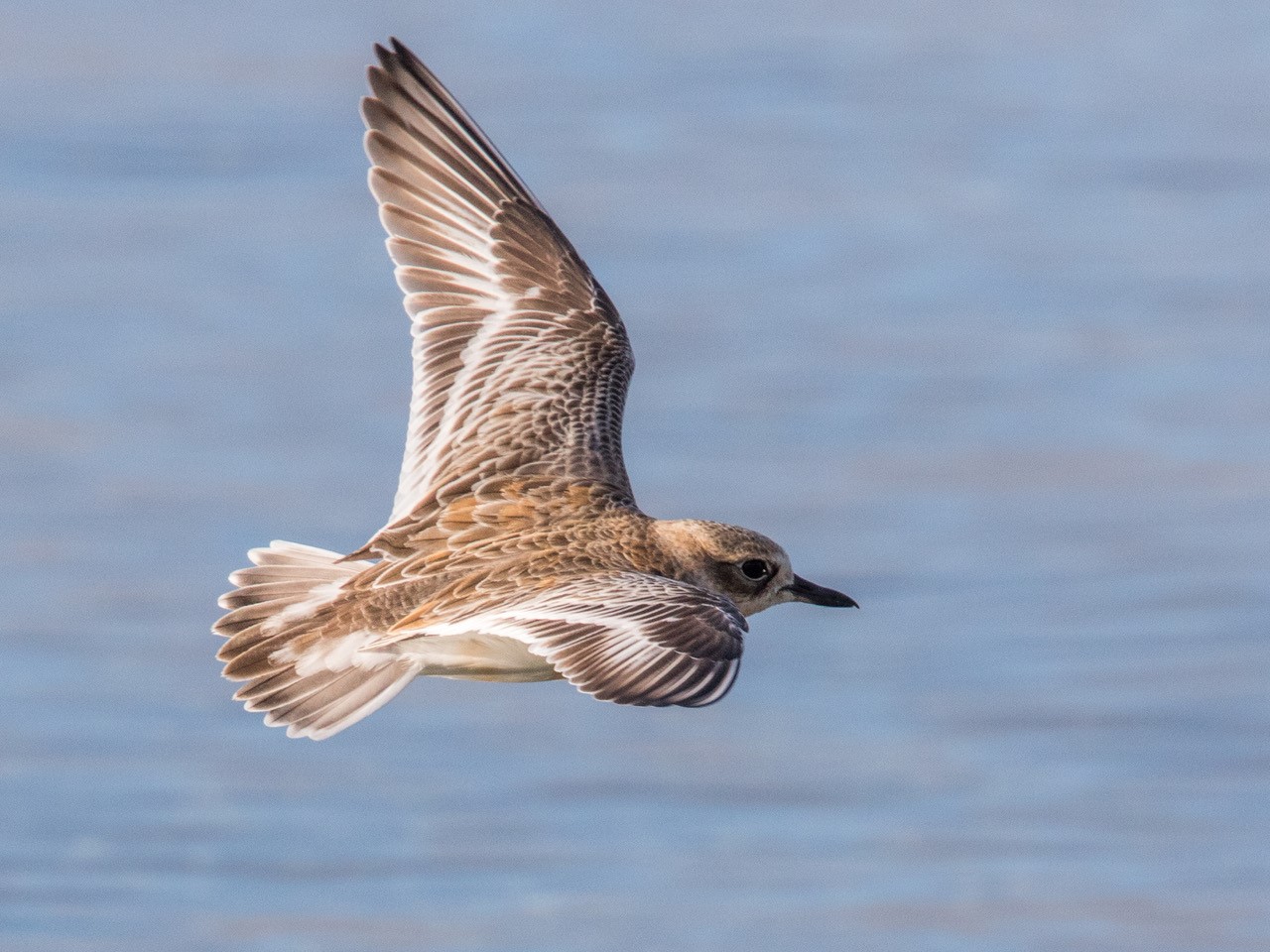
A dotterel in flight.
If you’re heading to the coast, Auckland’s beaches and estuaries are packed with fascinating seabirds and shorebirds. Keep an eye out for the New Zealand dotterel, a conservation success story thanks to years of community protection efforts. These birds can pop up in surprising places too, including school fields, golf courses and even rooftops.
The wrybill is another standout, the only bird in the world with a beak curved permanently to the right, perfect for hunting insect larvae beneath stones.
Variable oystercatchers patrol beaches and mudflats in noisy pairs and can live for more than 30 years.
White-faced herons stalk prey with the patience of expert fishers in everything from estuaries to damp paddocks.
You’ll also spot shags drying their wings in tall trees or perched dramatically on rocks. Despite their slightly grumpy appearance, they’re expert divers found in both freshwater and coastal habitats.
Forest Auckland – kererū, kākā, grey warbler, tomtit and shining cuckoo
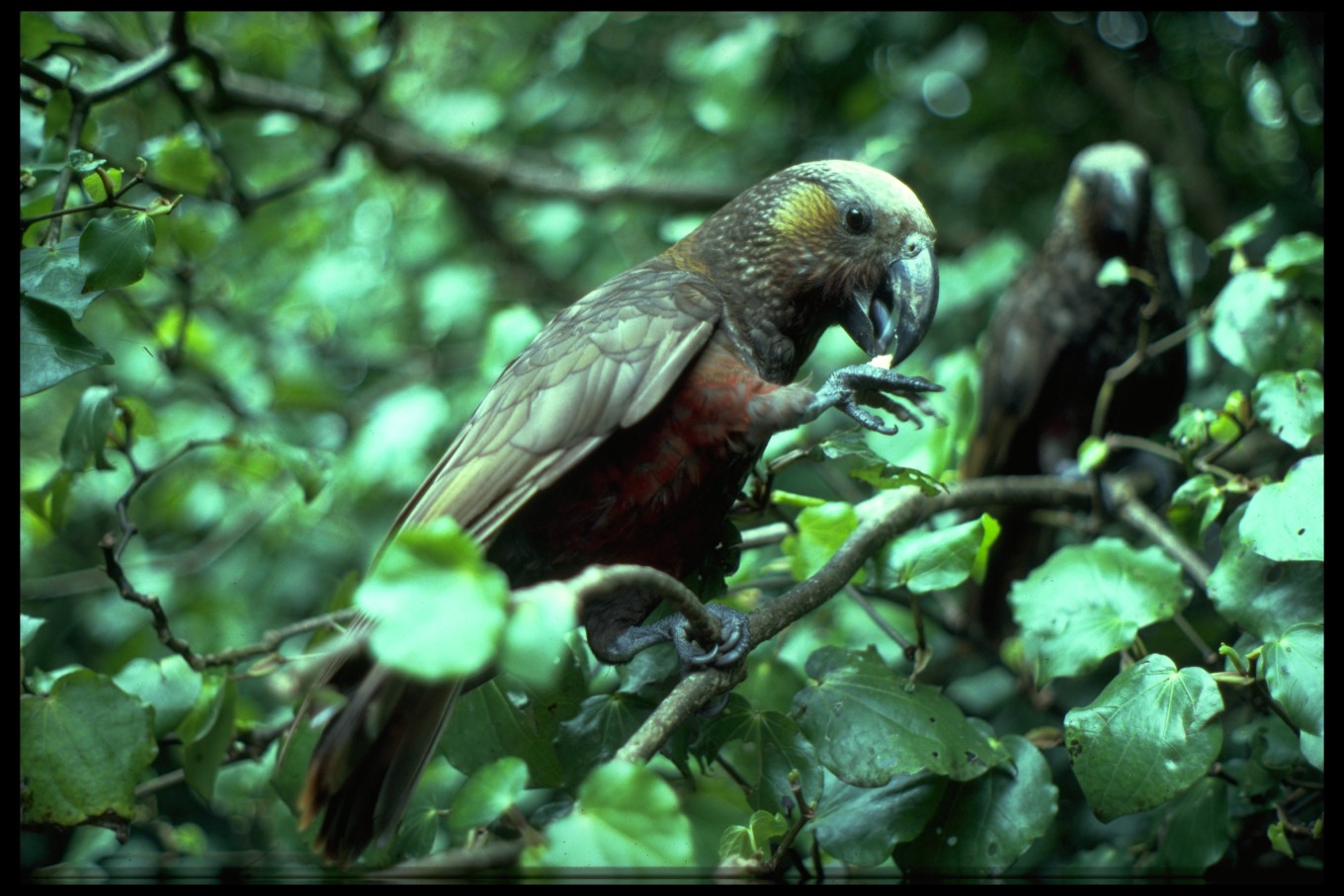
A kaka in a tree. Photo credit: Tim Lovegrove.
For forest birdwatching, Auckland’s regional parks are hard to beat. Explore places like Ambury Regional Park, Muriwai Regional Park, Shakespear Regional Park, Tāwharanui Regional Park, Waitākere Ranges or Hūnua Ranges and you may be rewarded with the sight of a kererū crashing somewhat inelegantly through the canopy. These heavyweight native pigeons are famous for dramatic skyward dives during courtship displays.
Restoration efforts are also helping more kākā return to parts of Auckland. These intelligent, noisy forest parrots are unforgettable once heard.
Smaller treasures include the tiny grey warbler, more often heard than seen thanks to its beautiful trilling song.
The charming tomtit, known to follow walkers through the bush hunting disturbed insects.
And if you hear a high-pitched call in spring, it may just be the shining cuckoo returning from the Solomon Islands, ready to sneak its eggs into grey warbler nests for foster parenting duties.
So whether you’re wandering a regional park, strolling the beach or simply watching the garden from your kitchen window, birdwatching is one of the easiest ways to reconnect with nature. Auckland’s birdlife is colourful, noisy, quirky and surprisingly close by, all you need to do is stop and look.