


The Tāmaki Makaurau Recovery Office will close on 30 June, ending its role leading the region’s largest disaster recovery programme. Over three years, the office has coordinated a $2 billion programme in partnership with the Crown to help Auckland rebuild after the 2023 severe weather events.
Auckland Council established the office after the Auckland Anniversary Weekend floods and Cyclone Gabrielle. Its closure reflects the progress made, with major storm recovery across the Watercare and Auckland Transport networks wrapping up. While the formal recovery function is ending, the wider effort to increase Auckland’s resilience is well underway and continues.
Recovery work repaired and built resilience into 797 roading, 222 water supply, and over 1200 parks and facilities projects, alongside launching major flood resilience projects set to reduce flood risk for whole neighbourhoods. In a one-off for the council, and with government support, voluntary buy-outs were offered for 1164 of the highest-risk properties, helping families move out of harm's way, with another 138 homeowners receiving mitigation grants to make their homes safer. The full picture is set out in Auckland Together: Recovering from the 2023 storms.
Mayor Wayne Brown says establishing the Auckland Recovery Office to address the damage and guide Auckland through its recovery was a mammoth task.
“These storms affected the city in ways that no one could have imagined,” says Mayor Wayne Brown.
“But Aucklanders stood up in communities across the region in the aftermath, including local leaders and mana whenua at the coalface, and engineers and repair crews who have worked to rebuild the city’s infrastructure and resilience, over the past three years.
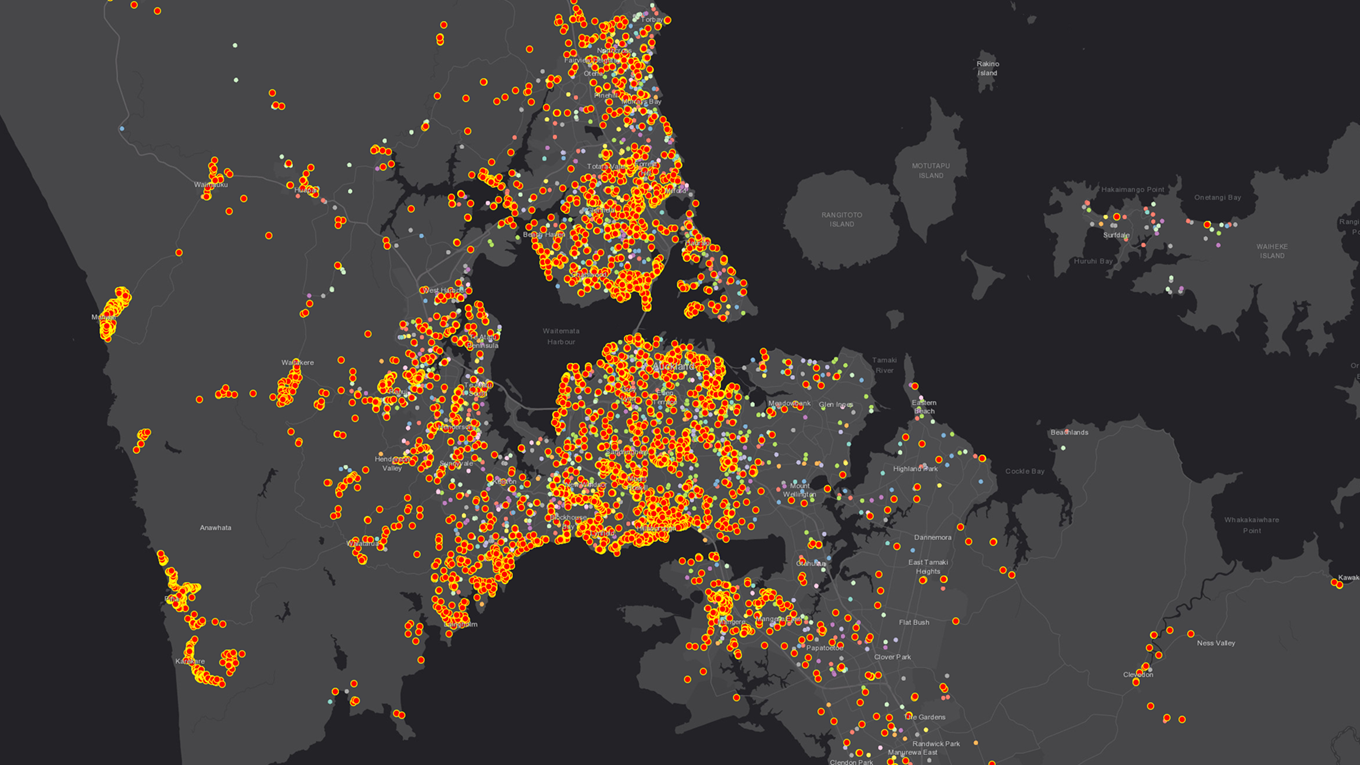
Lessons from the recoveries have improved how the region understands and manages natural hazards in a disrupted climate, with clearer, more accessible and updated flood and landslide information available for Aucklanders. With this information, planning rules have been strengthened to steer new development away from the highest-risk areas, while a pipeline of flood resilience projects through the Making Space for Water programme will continue to reduce risk across the region.
“We worked with government to change laws and to fund strengthening the resilience of Auckland through its infrastructure and built and natural environments, says Mr Brown.
“And we consulted with Aucklanders on what they thought recovery should look like. Our Making Space for Water programme is a great example of the legacy. It is acclaimed and other cities are showing interest in it.
“It has not been easy and the fact we’ve never faced anything like it is reflected in the cost. It has been an expensive lesson, but Aucklanders are better off for it and more prepared for future events. At the beginning of this, we were one of the least prepared regions – now we are world leaders.”
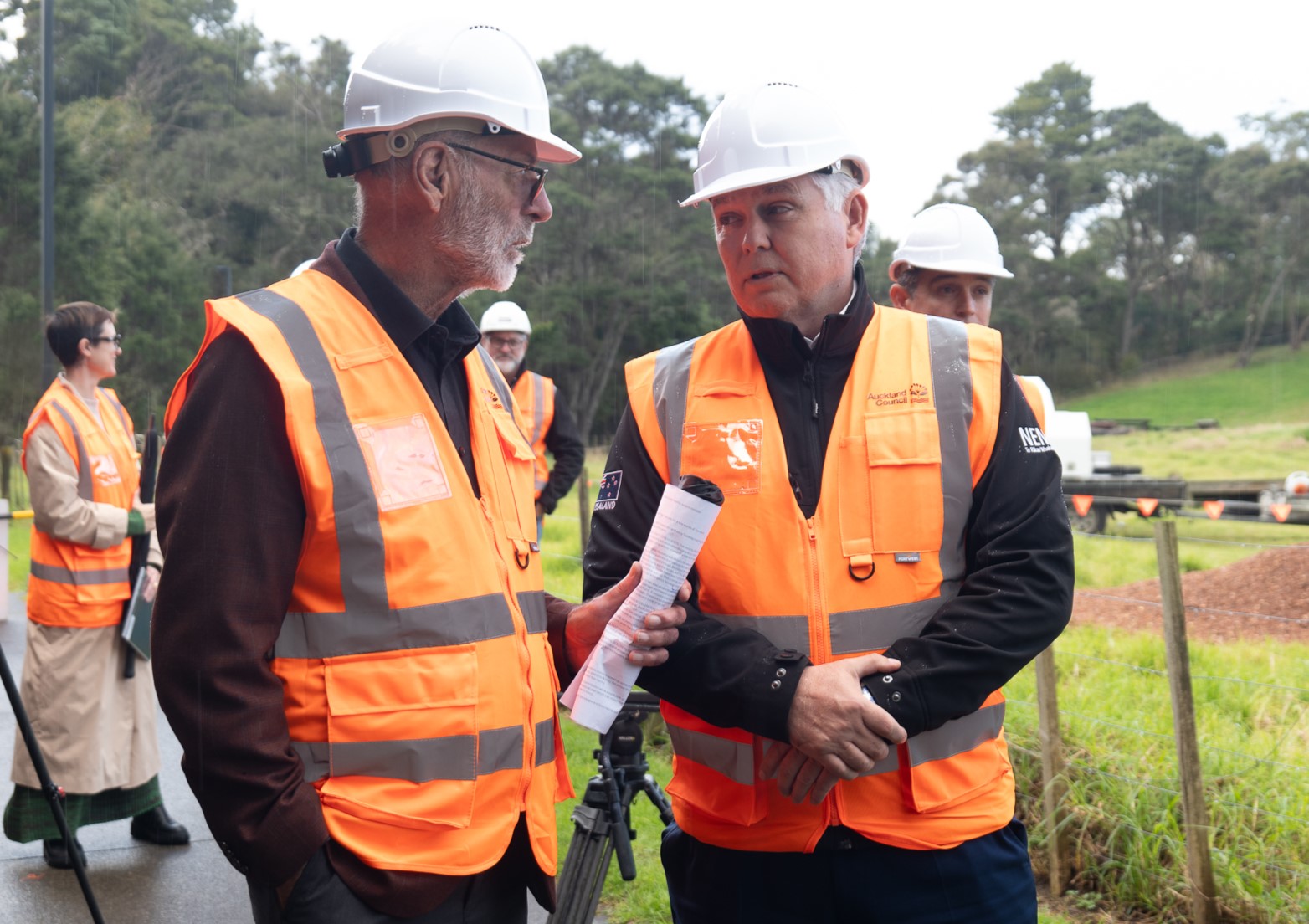
Mace Ward, Group Recovery Manager of the Tāmaki Makaurau Recovery Office, has been with the recovery office from day one, and says the programme has touched many lives.
"This was an enormous and emotional task," says Mr Ward. "And nowhere was that felt more than by the people directly impacted. Many had to make some of the hardest decisions of their lives, navigating complex processes over a long period of uncertainty. Helping people get back on their feet has been the most important work many of us have done."

Mace Ward, Group Recovery Manager.
As the office closes, the remaining work moves into the council's day-to-day operations. A new recovery team in Auckland Emergency Management will carry forward the lessons from 2023 and finish the final complex buy-out and property mitigation work. Properties already bought through the scheme pass to the council's property department, which will weigh interim and long-term uses over time. The Crown co-funded flood resilience projects continue, with the first two in Māngere due in the coming months.
"Auckland is better prepared today because of the investment and the lessons of the past three years. We owe it to the people who lived through this to keep pushing for change. We can continue improving the recovery experience, with better outcomes, for whoever needs it next," says Mr Ward.
Those lessons, and the full recovery story, are set out in three reports: