


There’s a buzz in the bush in the Hūnua Ranges and it’s coming from a wave of young kōkako finding their voice.
Auckland Council’s latest census shows the forest is thriving with 418 breeding pairs of North Island kōkako, a 61 per cent increase since 2022. It’s now the largest single mainland population of the species in New Zealand.
But it’s not just the numbers that are exciting conservation teams, it’s the surge of curious young birds filling the forest.
Principal Ranger Miranda Bennett says observers regularly spotted groups of younger kōkako trailing behind adult pairs.
“It’s a bit like watching toddlers or teenagers hanging around their older siblings or parents,” she says.
“They follow the adult birds, watch what they’re doing and occasionally seem to test their patience, pushing the limits as they learn where they belong.”
A sign of a thriving forest
Seeing so many young birds is a strong sign of successful breeding over several seasons and, importantly, that fledglings are surviving long enough to join the breeding population.
Kōkako typically take around two years to establish their own territory.
The four-yearly census also recorded 58 breeding pairs outside intensively managed areas, highlighting the wider benefits of pest control across the park.
“Kōkako are one of our best indicators of forest health,” says Bennett.
“When they’re thriving, we know other native birds, insects and wildlife are benefiting too.”
From near extinction to comeback story
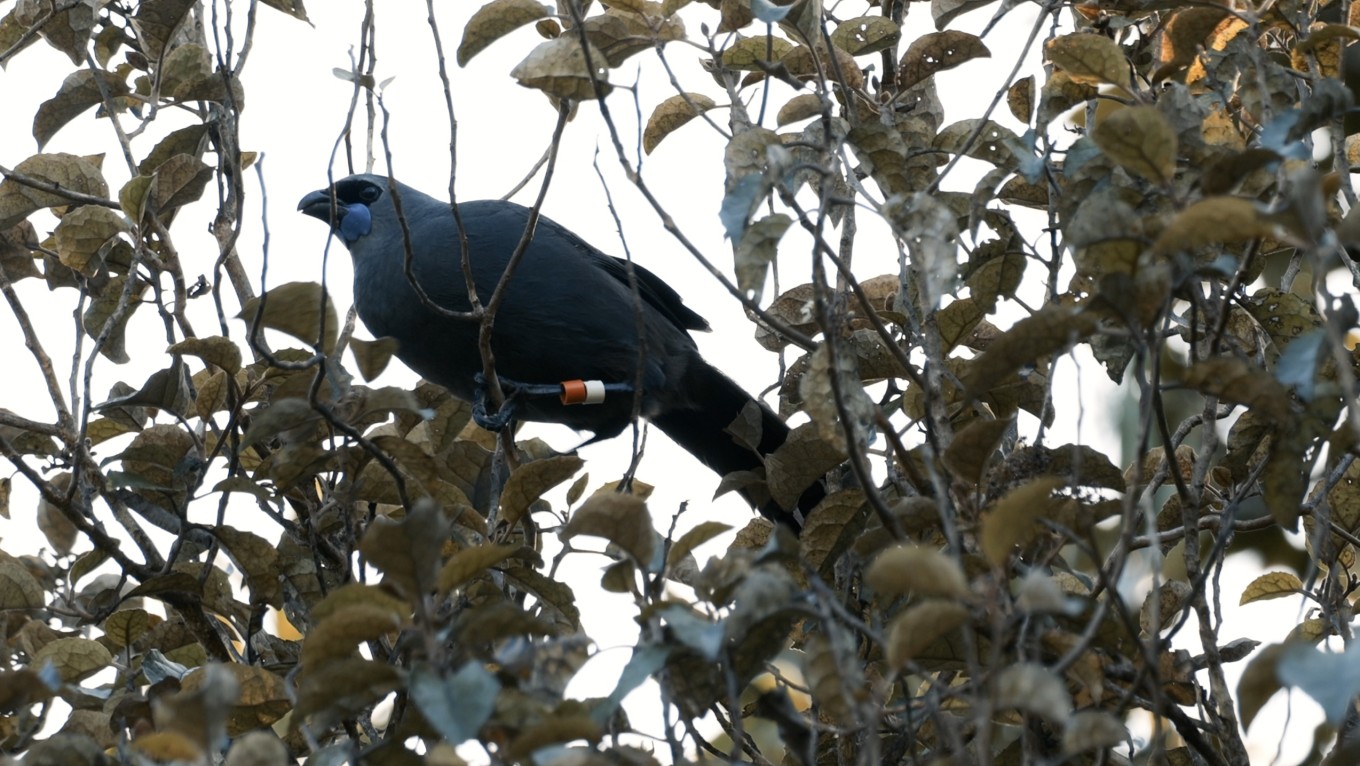
Pay close attention and you might see a Kōkako in the trees close to you.
The success in the Hūnua Ranges marks a remarkable turnaround for a species once close to disappearing locally.
In the 1950s, there were an estimated 500 kōkako in the ranges. By the late 1960s that number had fallen to around 50. In 1994, just 25 birds remained including only one known breeding pair.
Today, the population is not just surviving, but flourishing.
Among the birds recorded this year were Ruahine and Puna, two female kōkako translocated to the Hūnua in 2006. At 22 years old, they are the oldest known birds in the population.
A collective effort
The population growth reflects decades of work by council staff, mana whenua, volunteers, contractors and conservation partners.
The census was jointly funded through Auckland Council’s Natural Environment Targeted Rate and the Department of Conservation.
Councillor Richard Hills says the results show what long-term investment in conservation can achieve.
“This is huge news; 418 pairs is higher than even my most optimistic expectations,” he says.
“Every Aucklander contributes to this success, and it’s fantastic to see native species not just recovering but expanding across our region.”
Listening to the future
Survey teams spent two months covering around 2,000 hectares of native forest, with full reporting and mapping still to come.
For now, the message from the Hūnua Ranges is clear: a new generation of kōkako is taking flight – and learning the ropes, one noisy, inquisitive step at a time.