


- Auckland Council’s art collections are looked after by both Auckland Council and the Auckland Art Gallery.
- Our public art collection includes 386 outdoor sculptures, murals and large-scale installations in public spaces – with 99 per cent currently on display.
- An additional 1,213 paintings, photographs and indoor sculptures can be found inside libraries, community hubs, visitor centres, heritage buildings, local board offices and other council buildings – with 62 per cent of this collection on display.
Head of Arts and Culture Emily Trent says Auckland Council’s diverse public art collection is visible in parks, landmarks, streetscapes and as part of the infrastructure that supports our region, while many indoor artworks are on display in community buildings.
“Our public art in Tāmaki Makaurau gives everyone the opportunity to experience thought-provoking, culturally vibrant, enjoyable and meaningful public art – without having to go very far,” she says.
One prominent example is the Michael Parekōwhai artwork The Lighthouse / Tū Whenua-a-Kura at the end of Queens Wharf, drawing curious onlookers to peer through the windows of a full-scale, two-storied state house to see the neon ‘constellations’ illuminating a polished seated sculpture of Captain Cook inside.
Outside Manurewa Library, the striking sculpture of Te Manu Ka Rewa by Jadyn Flavell brings people closer to view the intricate carvings of tupuna (ancestors) and a steel matuku (bittern bird) taking flight from the top of the tower. The bird represents historic patterns and a whakataukī (message) for the future, reflecting how much more can be achieved when people work together.
“Investing in public art helps to elevate our public places, making them feel safe and welcoming, and it shapes who we are. It can provide a sense of identity,” says Emily.
The council commissioned research earlier this year to assess the value of spending on arts and culture in Auckland. Through six case studies, the research found that the council’s investment delivered wide-ranging benefits across social, cultural and economic outcomes, showing the value of investing in arts and culture in supporting thriving, connected and inclusive communities.
Emily says the research supports continued investment, in keeping with the council’s Public Art Policy, to prioritise art in everyday places.
Why are some artworks in storage?
Due to the nature and composition of indoor artworks, a small number of pieces are often held in storage. This may be because restoration or conservation treatment is required, to allow for building projects to proceed, or because the environment in which they were displayed or preferences for art have changed.
“We have portrait paintings of former mayors and royal family members that are historically important to retain but don’t meet our current display priorities. Storage is certainly not an indicator of their value,” says Emily.
“As kaitiaki of these taonga and stewards of this important public resource, it is necessary to look after the collection through time off display and specialist conservation treatments when required.”
Do artworks ever get sold?
In rare cases, the council does remove artworks from its collection through a formal process, approved by the council’s Community Committee. Decisions are guided by policy and factors like the public value, condition, risk, legal obligations, cultural considerations and the council's ability to care for an artwork over the long term.
“Removing an artwork from the collection is usually a last resort and there are a series of steps we follow to determine the best outcome for the artwork, including returning it to the artist,” says Emily.
That includes artworks that have entered the collection through community donation, she adds.
How are gifts managed today?
The council’s current practice for accepting gifts is considerably more structured than it was in the past. Proposed gifts are assessed against policy objectives, significance, site suitability, condition, maintenance requirements, lifecycle costs, ownership matters, and council's ability to care for the work over time. Public art proposals may also involve mana whenua engagement, specialist assessment and review through established governance processes before any decision is made.
What art does the gallery manage?
Auckland Art Gallery Toi o Tāmaki houses a separate collection of 13,412 artworks, considered one of the country’s most significant public art collections. Many of these works are loaned and toured nationally and internationally, while the gallery’s displays are constantly refreshed. The gallery’s entire collection is available to view online - Explore the Auckland Art Gallery collection online | Auckland Art Gallery Toi o Tāmaki
Auckland Council’s public artworks can also be viewed online:
• Explore Art | Auckland Public Art
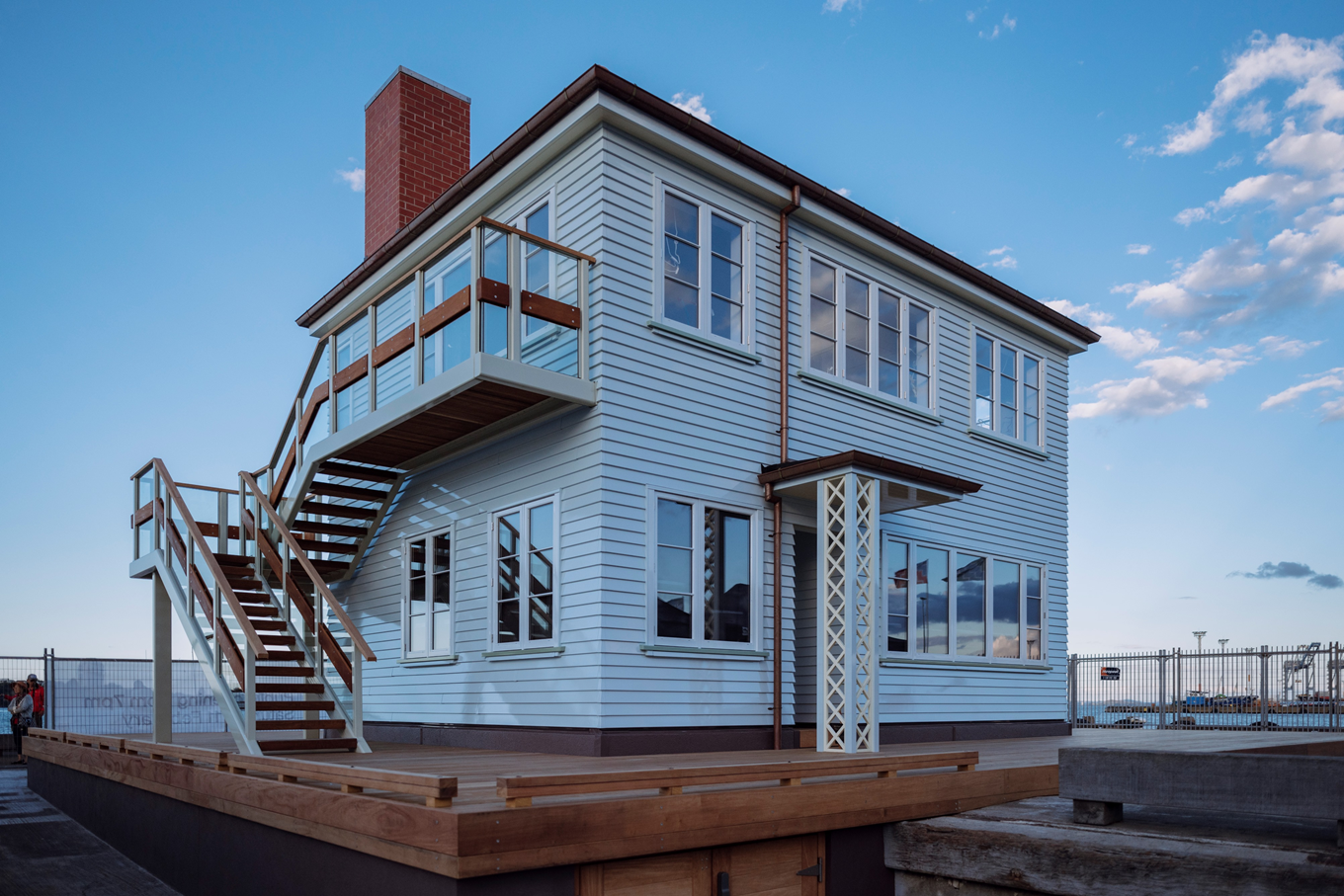
The Lighthouse: Tū Whenua-a-Kura by Michael Parekowhai, Queens Wharf..