


Winter is a natural time to pause, reflect and reset. As Matariki marks a season of renewal, it’s the perfect moment to clear out your home and rethink what gets thrown away.
A winter clear out doesn’t have to mean more waste. By choosing to repair, reuse and recover materials, you can save money, make better use of finite resources, reduce what goes to landfill, and support Auckland’s goal of zero waste by 2040.
Repair, reuse, rehome
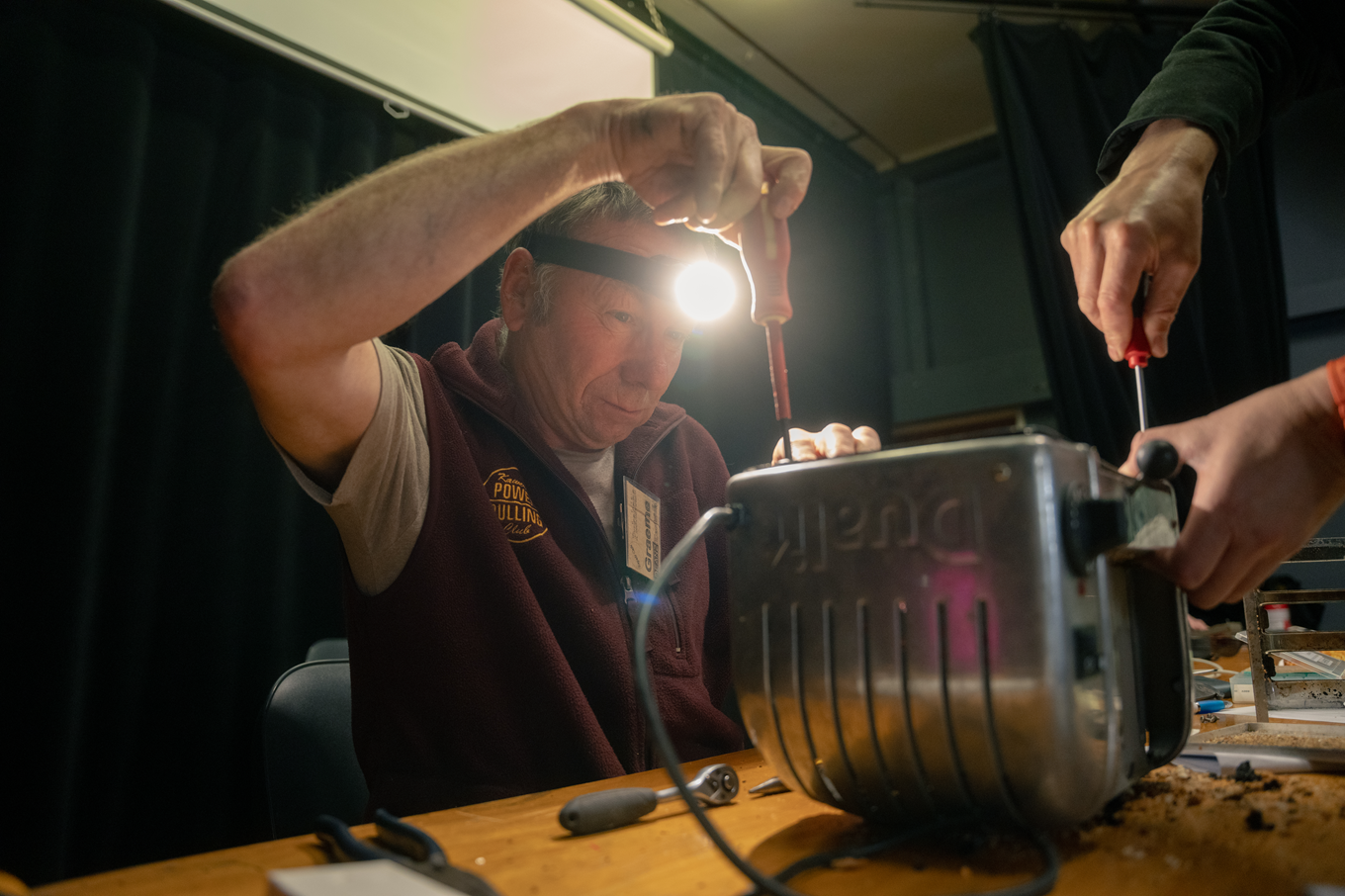
Before you get rid of something, take another look:
- Could this be repaired or mended? Local repair cafés can help you repair your item, or you can learn how to repair at a community workshop.
- Could someone else use or love this item? Donate or gift good-quality goods to friends, family, secondhand stores or charities
- Can it be upcycled into something new? Community workshops teach how to upcycle tired items into something shiny, new and useful.
- Could the materials be extracted from this item? Earth’s resources are finite and many precious metals and other materials can be from unwanted items.
You can also check out your local community recycling centre or library for more information on workshops and classes to help you learn how to repair, mend and upcycle everyday items.
Take your unwanted items to a community recycling centre (and buy something you want)
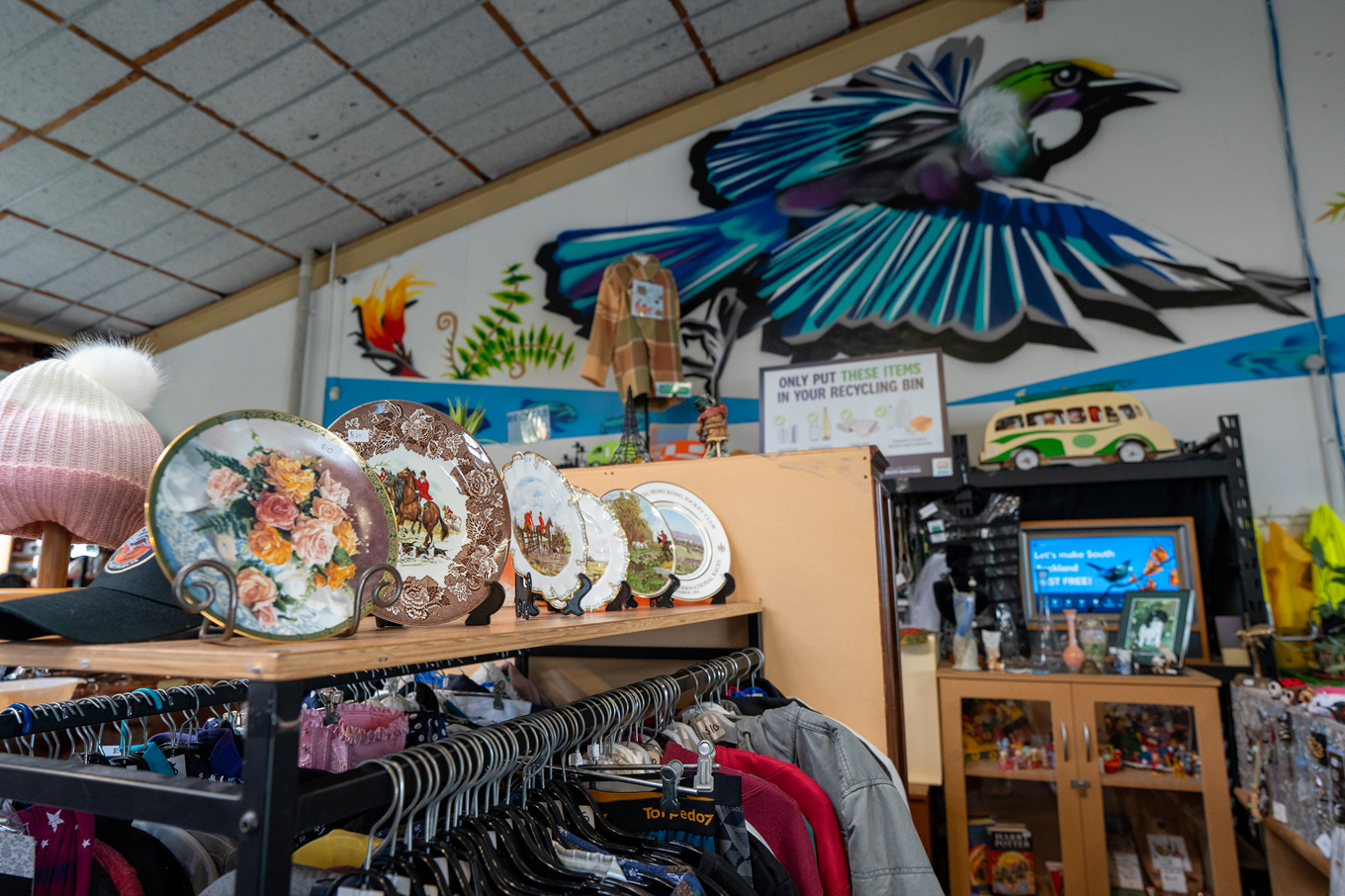
Auckland’s community recycling centres can help you waste less and show your support for a circular economy.
From furniture to household goods and much more, you can drop off your preloved items at your local community recycling centre, where they may be repaired, reused, recycled or repurposed. You can also shop for a range of preloved goods while you’re there.
Plan ahead for inorganic collection
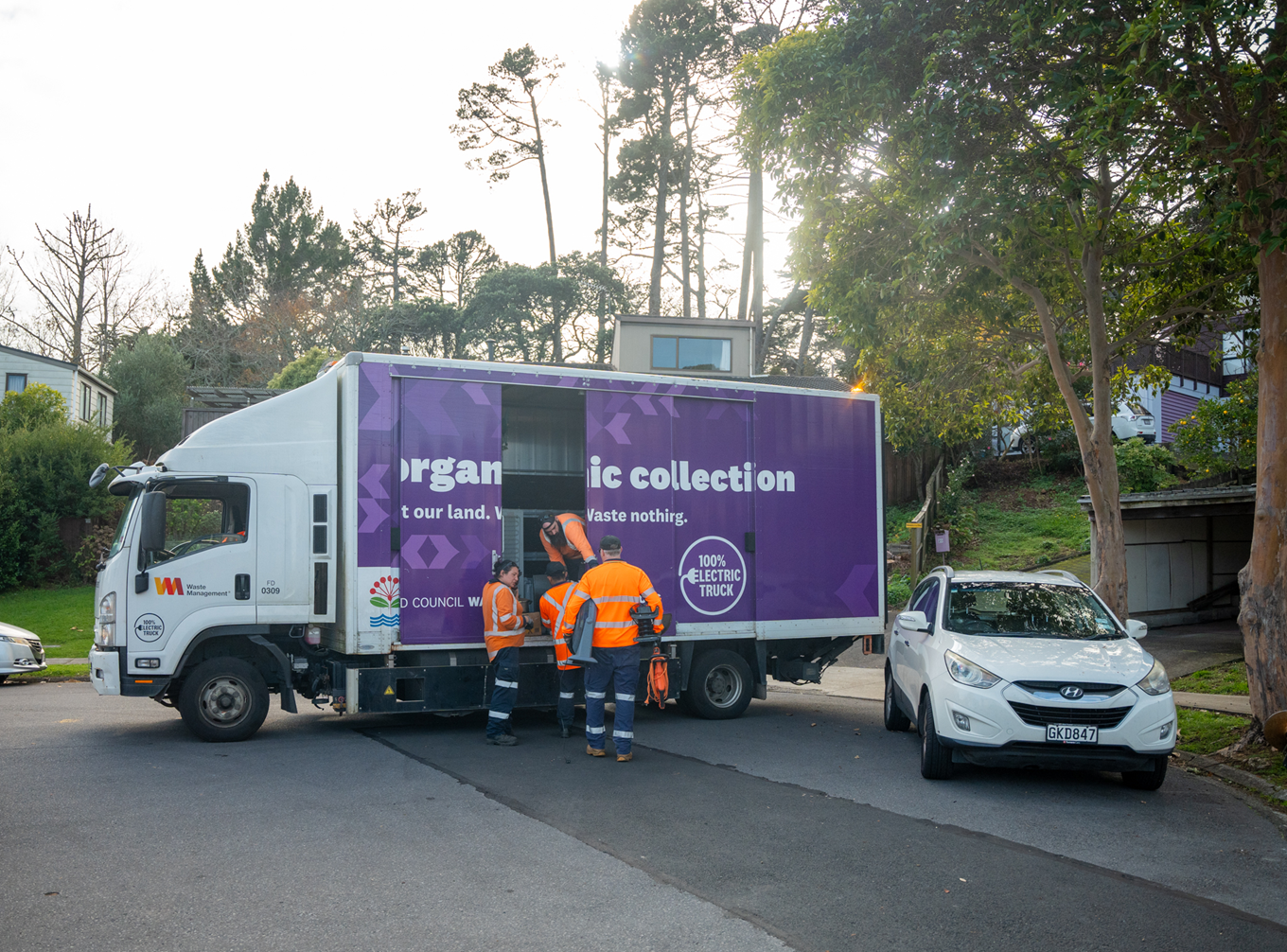
For an alternative to dropping off larger household items, you can get them picked up from your home by booking your annual on-property inorganic collection. Items collected are sorted to recover materials for reuse and recycling wherever possible, reducing what ends up in landfill.
Each area has a set collection period, so it’s worth planning ahead. You can book now and secure your spot, even if your collection is still a few months away.
Rethink food waste this winter
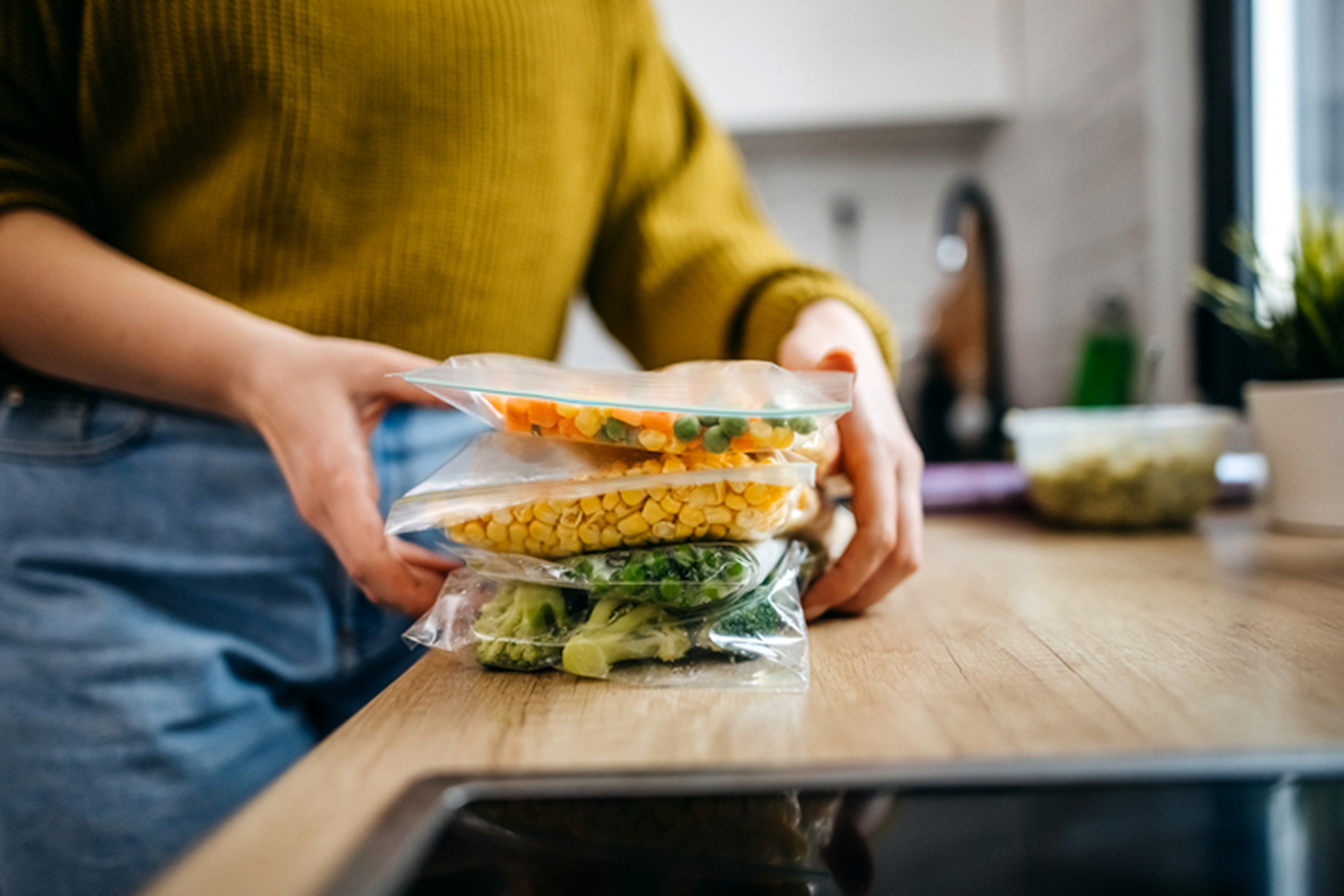
Food is one of the most common things we throw away and it’s a valuable resource.
If you compost and use your food scraps bin, ka rawe! You’re helping reduce waste and emissions, improve soil health, and support renewable energy by turning food scraps into useful resources.
If you want to make your food and grocery budget go even further, then simple changes like planning meals, storing food properly and using leftovers creatively can help you get more from the food you buy or grow.
You can build practical skills through a free Love Food Hate Waste NZ workshop, helping you waste less and save money.
Take the Plastic Free July challenge
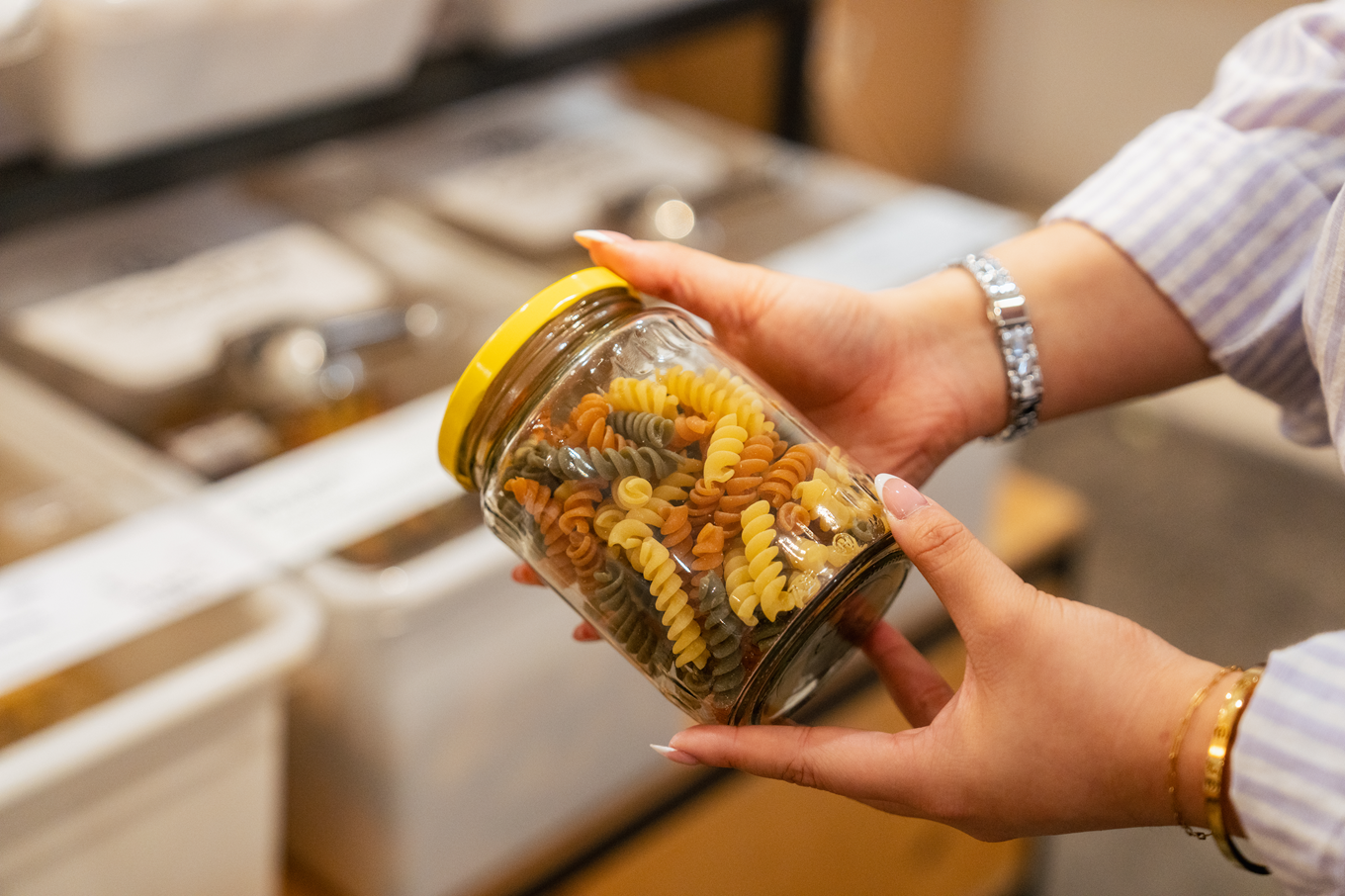
Reduce your reliance on harmful single-use plastics this Plastic Free July by challenging yourself to swap just one disposable item for a reusable alternative.
Small changes can make a big difference:
- Carry a reusable drink bottle, coffee cup and shopping bags.
- Choose products with less packaging.
- Buy only what you need from bulk or refill stores.
Find more tips for going plastic free.