


Auckland is making significant progress towards a lower-emissions future, with major investments in clean public transport transforming the way people move around the region.
The Climate Action Progress Snapshot 2025, published by Auckland Council, highlights growing momentum in Auckland's transition to low-carbon transport, supported by more than 400 electric buses now operating across the region, a fully electric rail network, and electric ferries in service.
Councillor Richard Hills, Chair of the Policy, Planning and Development Committee, says Auckland should be proud of the progress achieved so far but there is more work to do.
"The report shows that meaningful change is happening right across the region, and that’s something to be proud of. But the data also tells us we need to pick up the pace,” he says.
The next major milestone arrives on 13 September, when the City Rail Link (CRL) opens, creating a faster, more connected rail network that will make public transport a more attractive option for hundreds of thousands of Aucklanders.
Councillor Hills says Auckland is already seeing the benefits of sustained investment in cleaner transport.
"Auckland is building one of the most electrified public transport networks in Australasia, going from only 12 electric buses in 2020 to over 400 today. The frequent bus network is growing at pace thanks to the Climate Action Transport Targeted rate, leading to more people taking public transport than ever, although some take it less frequently now due to working from home.”
“The opening of the City Rail Link on 13 September will be a game changer for our city, making it easier, faster and more convenient for people to leave the car at home," he says.
While the report shows Auckland needs to accelerate emissions reductions to meet its long-term climate goals, transport remains one of the areas where positive change is occurring.
Auckland Council Chief Sustainability Officer Kataraina Maki says the progress demonstrates what's possible when infrastructure investment and community action work together.
"We're seeing real progress across Auckland, and that's something to celebrate. Cleaner public transport, growing public transport use, improving air quality and continued investment in walking and cycling are helping create a healthier and more connected city."
"Transport – specifically non-electric transport - is Auckland's largest source of harmful emissions, but it's also one of our biggest opportunities. With the City Rail Link opening, more electric buses on the road than ever before, and better active transport options, Aucklanders have more choices available to them. Every trip taken by bus, train, ferry, bike or on foot helps reduce emissions and contributes to a better future for our city.
"The City Rail Link will transform how Auckland moves. It will unlock more frequent train services, better connections and faster journeys across the region. The opportunity now is for Aucklanders to make the most of this investment by choosing public transport whenever they can.
"Choosing public transport means less time spent in traffic, lower travel costs, cleaner air and a more liveable city. The more people who use these services, the greater the benefits for everyone," Maki says.
Over the past year, Auckland Council and its partners have continued to invest in low-carbon transport, electrification, renewable energy, waste reduction, climate resilience and community-led climate action, helping create a healthier, more resilient and more sustainable Tāmaki Makaurau.
Councillor Hills says with public transport patronage continuing to grow, air quality improving, communities leading climate solutions and major investments like the City Rail Link Aucklanders are helping support a better future for Auckland.
"By continuing to invest in climate action and by making sustainable travel choices where we can, we can build a healthier, more resilient and more prosperous city for future generations," says Councillor Hills.
Auckland Council will continue to focus on delivering practical climate action through Te Tāruke-ā-Tāwhiri: Auckland’s Climate Plan while supporting communities to lead change and plan for a changing climate.
What can you do?
1. Swap one car ride for one bus or train ride
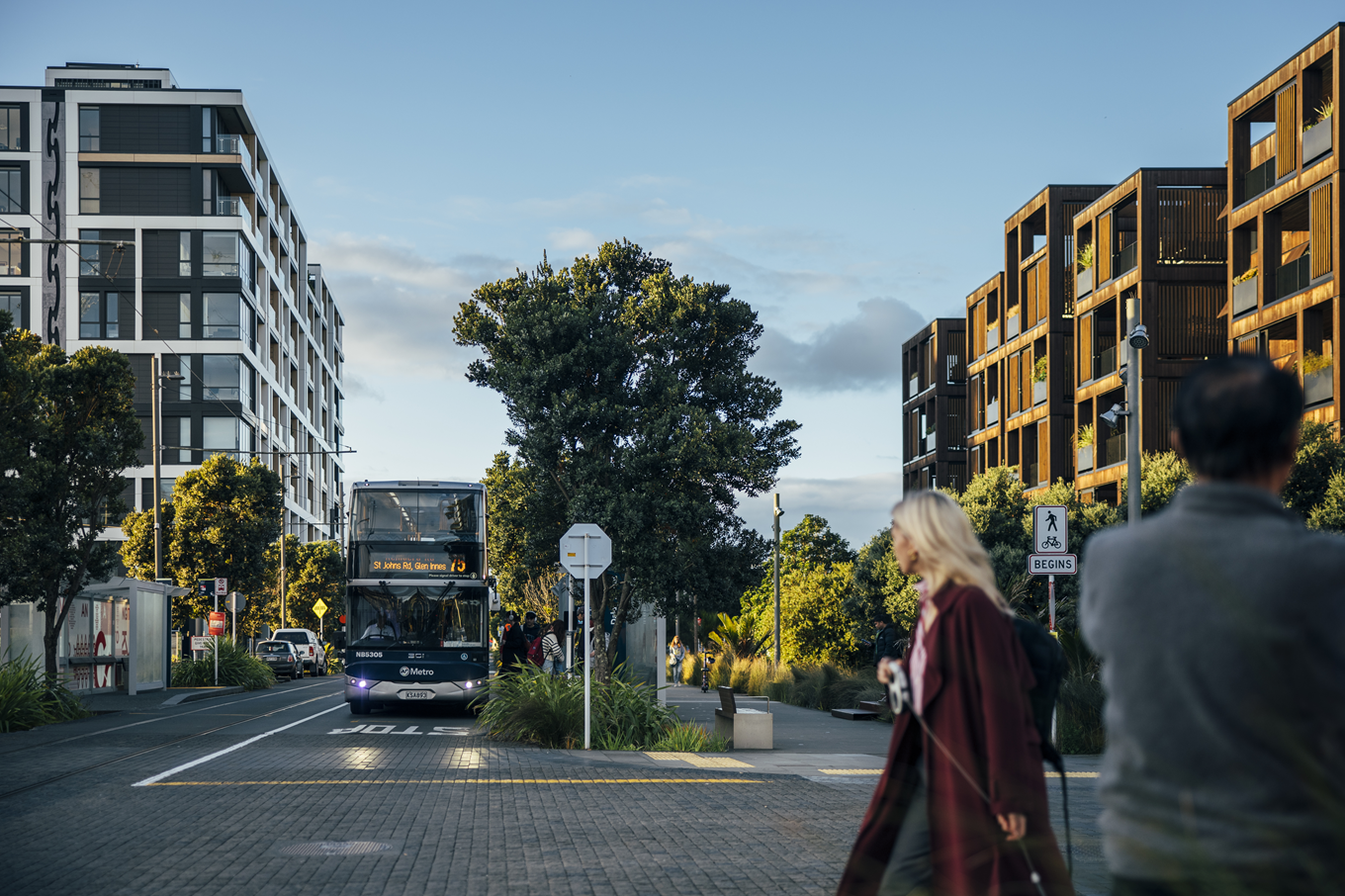
One full bus can replace dozens of cars, and a full train at peak hour can replace over 900 cars.
Enjoy unlimited travel on AT buses, trains and inner-harbour ferries for no more than $50 a week. Find out more about the 7-day fare cap here. Employers can help their staff make the switch through the Fareshare staff subsidy scheme.
2. Walk or bike the short trips
Walking and cycling are some of the best actions you can do for both the climate and boosting your wellbeing.
Visit one of our 14 bike hubs across Auckland to help you get on your bike and develop your skills. Learn more about safe routes for biking and walking in Auckland.
3. Make your home more energy efficient
The way we use energy at home plays a big part in reducing Auckland’s contribution to climate change. Every household can help by making choices that save money and lower emissions. Visit Auckland Climate Action for more information about changes you can make.
4. Mix your go, drive less, or choose electric
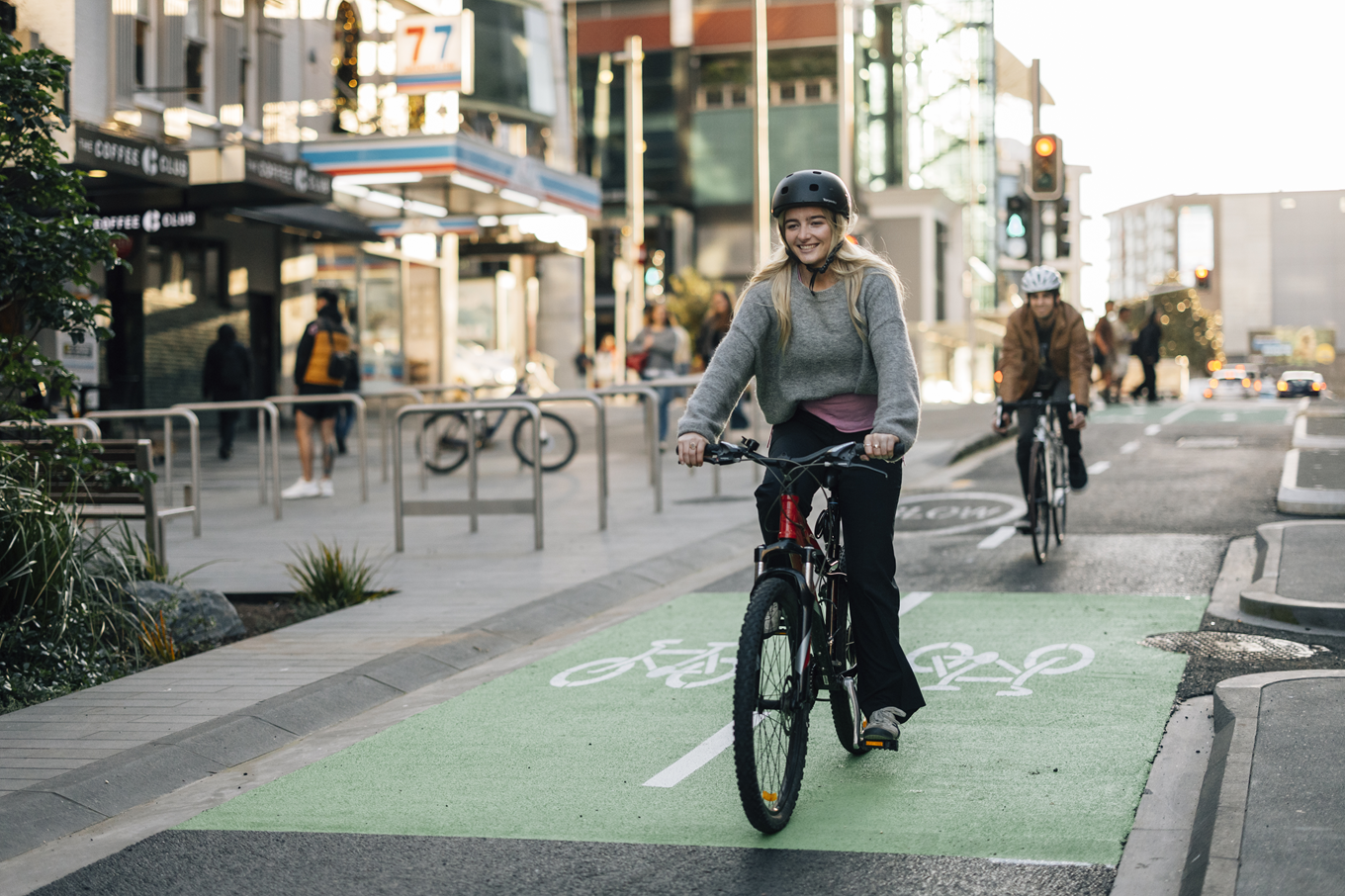
Whether it's mixing transport modes like cycling, walking and public transport, OR choosing an electric or hybrid vehicle when you drive, there are plenty of easy ways to cut emissions and save money.
If you want to know more about making the switch to EV, visit the EECA website for information.
What Auckland Council is doing?
1. Investing in low‑carbon transport
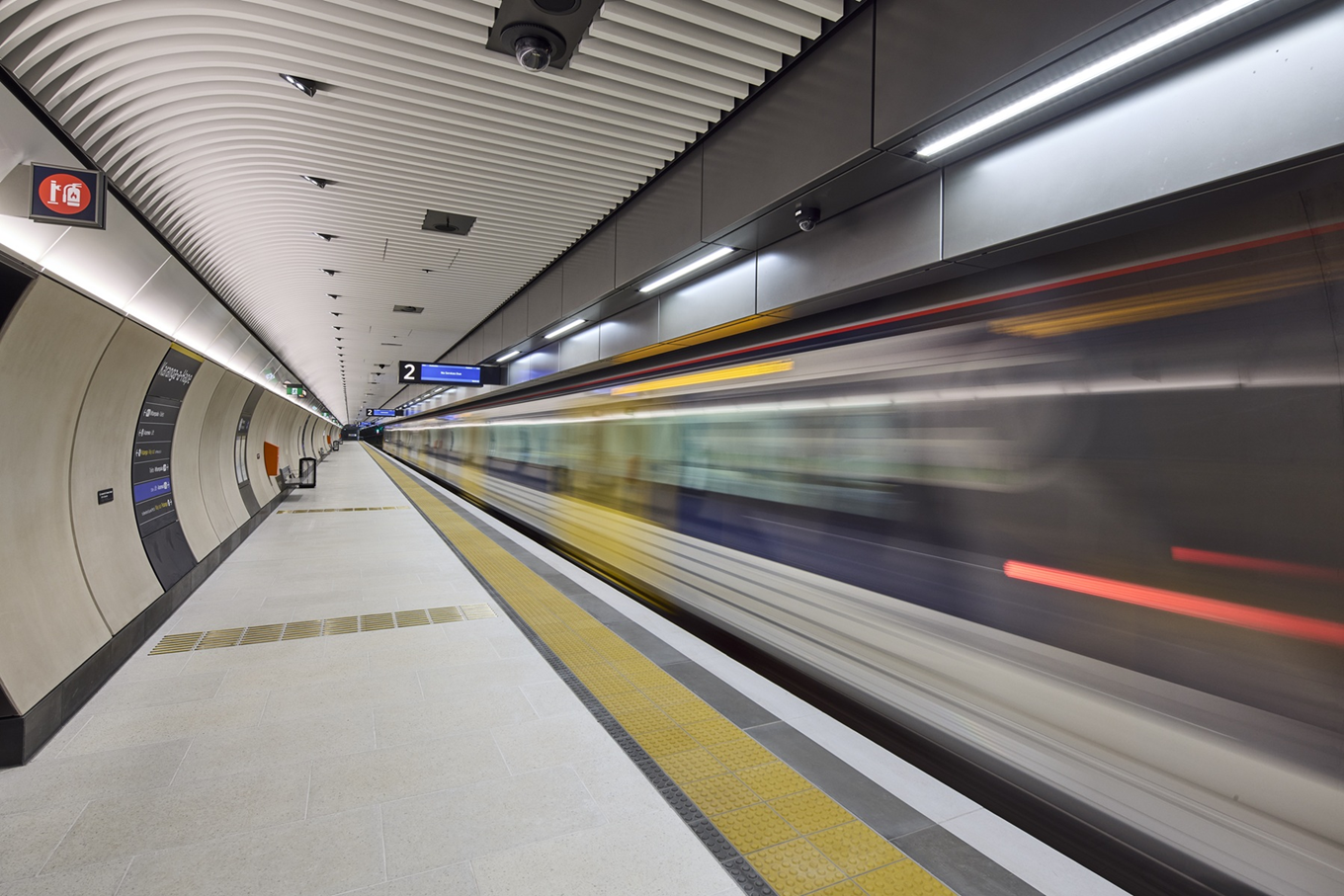
Auckland Council Group is delivering the City Rail Link, adding hundreds of electric buses, and bringing electric ferries to the fleet. Bus network improvements have brought around 40,000 more Aucklanders within walking distance of frequent public transport, alongside 8.3 kilometres of new walking and cycling paths and investment in dynamic bus lanes. Find out more about low-carbon transport.
2. Cutting emissions from council facilities
Solar panels at Go Media Mount Smart Stadium save around $150,000 a year, gas boiler replacements cut more than 100 tonnes of CO₂ annually, with new heat pump systems at aquatic centres and improved energy monitoring at major venues. Find out more about how we’re decarbonising council assets.
3. Reducing waste and greening the city
Around 24,000 tonnes of food scraps were diverted from landfill in the past year. The council also planted nearly 790,000 native trees and restored 45 hectares of regional parks, helping to strengthen biodiversity and climate resilience across Auckland. Read about how Auckland Council is taking action.
4. Supporting community and Māori‑led climate action
More than 80,000 Aucklanders engaged in climate action through local events and initiatives, with council grants supporting 27 community‑led projects. Support also included 13 marae‑led climate responses, rangatahi‑led resilience projects across five marae and five iwi, and 19 iwi‑led adaptation planning and action projects, alongside local board‑led recovery efforts.
5. Boosting flood resilience and recovery
The council has invested $731 million for property buyouts and $8 million to help homeowners reduce future climate risks. $15.3 million has also been invested through the Making Space for Water programme, where the council is upgrading stormwater systems. Find out more about Making Space for Water.
By the end of April 2026, Auckland Transport had spent $366.3 million addressing sites on the Auckland road network affected by the 2023 North Island weather events. This is 94% of the projected total forecast flood recovery cost of $390 million. This work has included design features to be more resilient to future weather events, and covers more than 2,000 sites in total, including 1,200 small issues and slips resolved quickly and more than 800 sites needing minor to major repairs.
Following the extreme weather events of early 2023, Auckland Transport also tested electronic flood alert systems at 3 key sites across Auckland. These performed well in more recent storm events and will be installed at further locations to keep people safe.
Together, these programmes support Auckland’s climate goals while helping make the region more resilient, liveable and affordable for future generations.
To find out more and learn how you can get involved in local climate action visit our website Auckland Climate Action.