


Auckland Council has approved an allocation of up to $2.2 million from the Tahua Huanga Ora Māori Outcomes Fund to help Te Kawerau ā Maki progress the next stage of establishing Te Henga Marae.
The funding supports specialist project management and an initial contribution towards the first stage of development, helping the iwi continue planning while securing investment from other funding partners.
Councillor Richard Hills, Chair of Auckland Council’s Policy, Planning and Development Committee says this investment contributes to restoring a valued cultural asset with long-term community benefits.
“This is about assisting Te Kawerau ā Maki to restore an important piece of cultural infrastructure for their iwi, their whānau, for Te Wao Nui o Tiriwa and for Auckland while supporting an iwi-led vision that has been many decades in the making.
“The Māori Outcomes Fund exists to invest in priorities identified by Māori and to help unlock wider investment that delivers lasting benefits for Auckland.”
The decision recognises a vision that has been decades in the making.
Planning for a marae at Te Henga began with Te Kawerau ā Maki and the former Waitākere City Council in the early 1990s. Land was acquired by Auckland Council in 2009 to support the vision before being transferred to Te Kawerau ā Maki in 2020.
Since then, the iwi has undertaken design work, feasibility studies and consenting, supported by previous investment through the Māori Outcomes Fund.
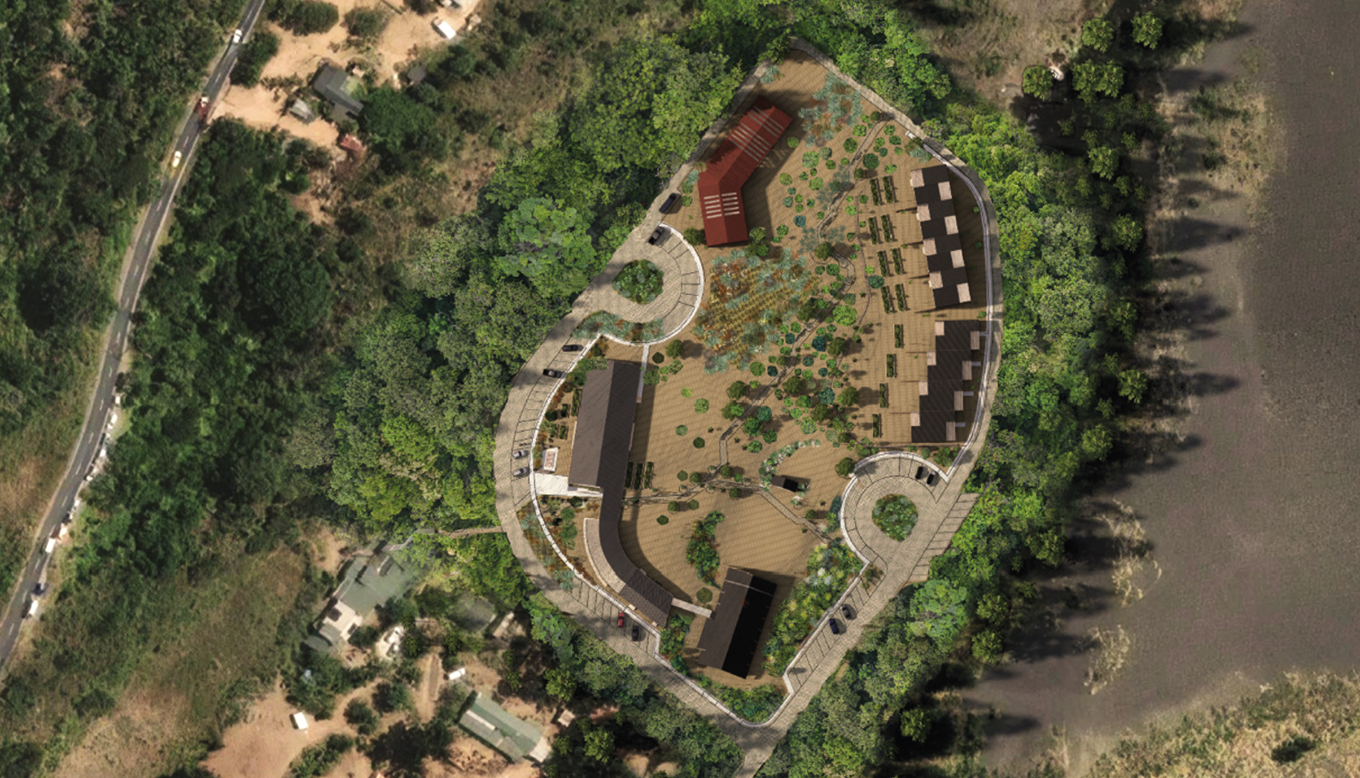
For Te Kawerau ā Maki, Te Henga is more than a location. It is the iwi ancestral home. For centuries, Waitī at Te Henga was the heart of Te Kawerau ā Maki.
It was where whānau lived, where visitors were welcomed, where tikanga was practised and where connections between people and whenua were maintained.
Around 1920, the last formal marae and village at Waitī were abandoned. Changes to the Waitākere River following construction of the Waitākere Dam, together with the cumulative loss of ancestral land through colonisation, meant Te Kawerau ā Maki eventually became the only mana whenua iwi in Tāmaki Makaurau without a marae.
Despite losing its physical home, the iwi never lost its connection to Te Henga.
For decades, Te Kawerau ā Maki has worked towards returning to its ancestral whenua and re-establishing a marae and papakāinga. The approval by Auckland Council marks another important milestone in turning that long-held aspiration into reality.
Edward Ashby, Chief Executive Te Kawerau Iwi Tiaki Trust; “Our people have waited more than a century to once again have a marae on our ancestral whenua at Te Henga.
“This project is about restoring something that was lost. It is about creating a place where our identity can flourish, where our stories can continue to be told, and where future generations will always know they have a home.
“We’re grateful for the support shown by Auckland Council and look forward to working alongside other partners as we bring this vision to life.”
The long-term vision includes a marae and papakāinga that will reconnect Te Kawerau ā Maki with its ancestral whenua while creating a place where tikanga, culture and identity can flourish for future generations.
Auckland Council’s investment is designed to help unlock that next stage.
Rather than funding the entire development, the decision provides the specialist capability needed to refine project planning, confirm staging, coordinate delivery and secure co-investment from organisations such as Watercare, Foundation North and other funding partners.
Councillor Matt Winiata, Auckland Council’s Māori Outcomes Portfolio Lead, says Te Henga demonstrates what can happen when mana whenua aspirations are supported by long-term partnership and investment.
“Te Henga Marae shows what delivering Māori outcomes looks like in practice. The aspiration belongs to Te Kawerau ā Maki, and our role is to work alongside the iwi to help make that aspiration possible.
“A marae is much more than a collection of buildings. It is a place of identity, belonging and connection – between whānau, generations and whenua.
“Supporting Te Kawerau ā Maki to restore that presence at Te Henga is an investment in something that will endure for generations, not only for the iwi but as part of the cultural fabric of Tāmaki Makaurau.”
The project reflects one of the key priorities of the Tahua Huanga Ora Māori Outcomes Fund - supporting iwi-led initiatives that strengthen Māori wellbeing and identity.
It also reflects the direction established through Tāmaki Ora, Auckland Council’s Māori Outcomes Strategy, which focuses on working alongside mana whenua to advance long-term outcomes across Tāmaki Makaurau.
Waitākere Ward Councillor Shane Henderson says the decision is an important milestone for Te Kawerau ā Maki and for West Auckland.
“Te Kawerau ā Maki has maintained an enduring connection with Te Henga despite being without a marae. It is an extraordinary place and its history and identity are inseparable from the iwi. It’s significant to see this long-held aspiration moving closer to reality, and to see that connection to whenua being restored for future generations.”
Waitākere Ward Councillor Ken Turner says the staged approach provides a practical way of progressing the project.
“This is a significant project for Te Kawerau ā Maki and a long-term investment in the West. It's important we get the timing of any help right. Taking it forward in stages, with clear costs, good project management and investment from other partners, gives Te Kawerau ā Maki the best chance of creating something enduring for West Auckland that present and future generations will remain proud of.”
When completed, Te Henga Marae will provide an enduring place for Te Kawerau ā Maki to gather, celebrate, welcome visitors, uphold tikanga and strengthen connections between people, culture and whenua.
Like many marae across Auckland, it will also become a vitally important community asset - supporting whānau during significant life events, hosting cultural and educational activities, and providing resilience during times of emergency.
This approval marks another milestone in a project that will reconnect Te Kawerau ā Maki with its ancestral home and create a lasting legacy for the region for generations to come.