


When your favourite swimming spot calls, it pays to take the time to think about how to stay safe and what to do if you or others get into trouble.
Be safer and have fun in the water by following these tips.
Decide with Safeswim
Heading out for a swim? Visit the Safeswim website or download the Safeswim mobile app for up-to-the minute water quality, swimming conditions and safety information before you go.
Covering 163 locations across the Auckland region, Safeswim is a fantastic tool to help keep you and your whānau safe. You can also check when and where lifeguards are on duty along with the latest weather and tides.
Some of Auckland’s most popular beaches also feature digital signs displaying the latest Safeswim updates too – keep an eye out for them.
Safety in the surf, rivers, lakes and pools
Whether you’re heading to a lifeguarded beach, enjoying a day in a regional park, or cooling off at your favourite local swimming spot, we have some golden rules for you to follow to stay safer and have an enjoyable swim.
Be prepared - check the weather and conditions and know the local environment before you swim. If in doubt, stay out. It's better to be safe than sorry.
Swim between the red and yellow flags - Choose a lifeguarded beach and always swim between the red and yellow flags.
Look out for yourself and others - always supervise children around water and keep children under five years within arm's reach; keep an eye on your mates and don't pressure your friends to get into the water if they're not confident.
Know your limits - too many people get into trouble in the water because they overestimate their abilities and underestimate the conditions. Stay within your abilities and skill level and know what you can and can't do in open water. Test yourself in a pool or other safer environments first.
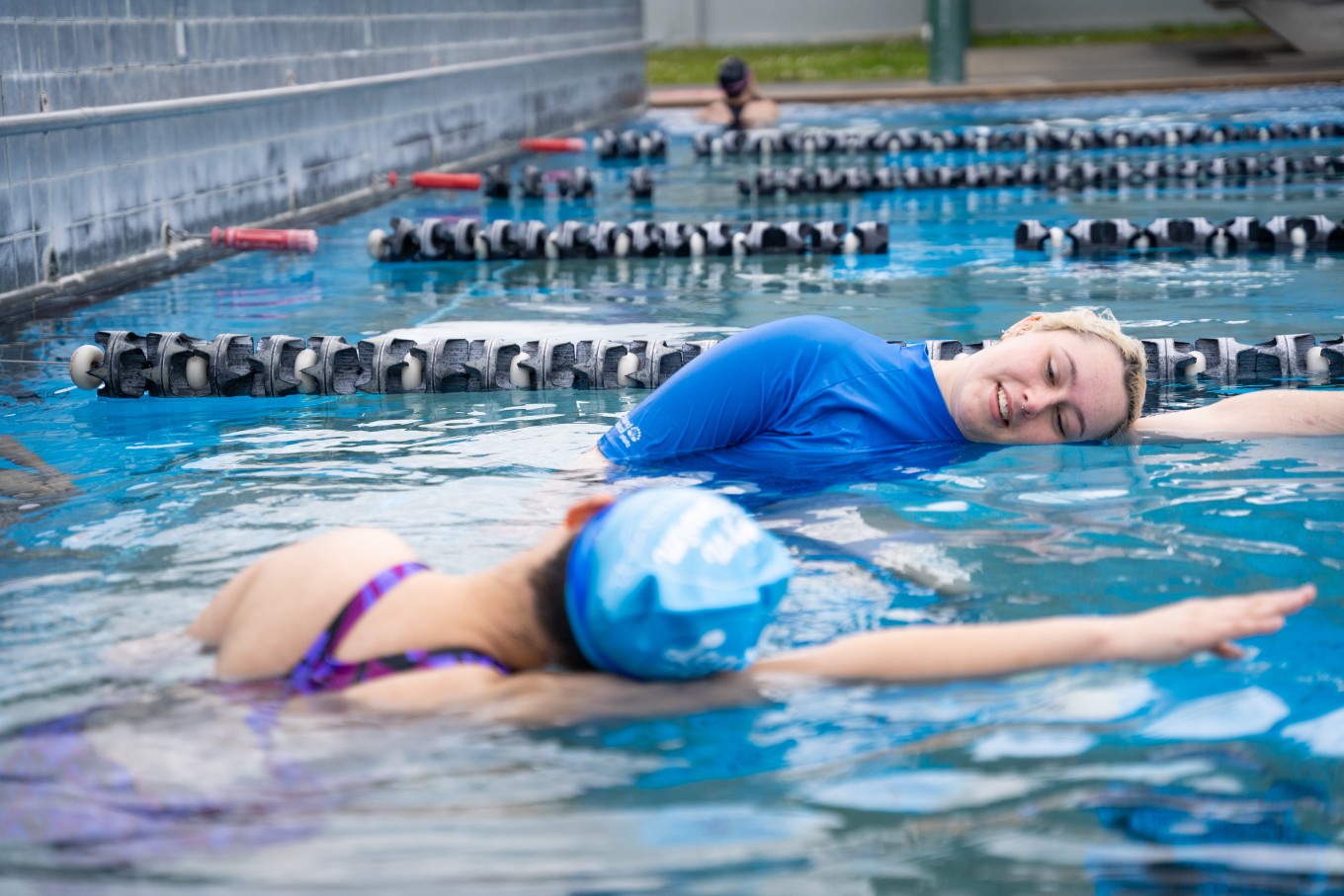
Auckland Council has facilities across the city to learn about swimming and safety while in the water.
3Rs rip survival plan - rips are a major hazard on New Zealand beaches and can be deadly. Learn the 3Rs Rip Survival Plan – it could save your life. RELAX and float to conserve your energy, RAISE your hand to signal for help, RIDE the rip until it stops, and you can swim back to shore safely, or help arrives.
Know how to float – Floating within the first 90 seconds of falling into the water or getting caught in a rip calms you down and gives you time to plan your next move. Learning and practising this survival skill will help you manage panic and cold-water shock, increasing your chance of survival. Float on your back, breathe normally, raise your arm or shout for help, survive by swimming to safety or continuing to float. If you find yourself in trouble in the water, remember; Float first – Float, breathe, signal, survive.
Avoid stormwater outlets - Do not play, paddle or swim in stormwater pipes or at stormwater outlets on the beach. Water from stormwater outlets could be contaminated even if it looks clean.
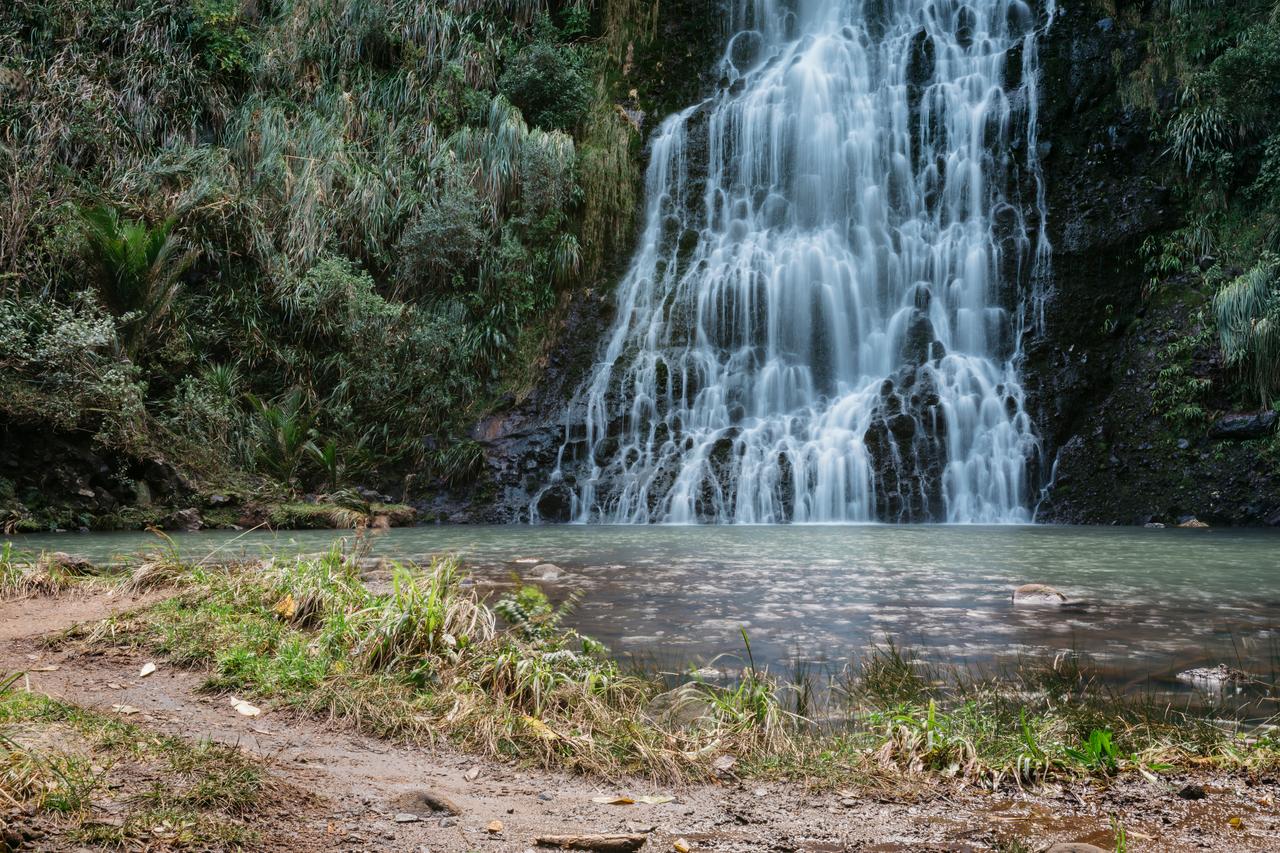
Freshwater safety - fresh water in rivers and water full of air bubbles around the base of waterfalls is less dense and less buoyant. It is easier to sink and more difficult to float in these types of water. After heavy rain the water flow or current in creeks, rivers, and waterfalls becomes stronger and there is more chance of debris, making it more dangerous to wade or swim, so take extra care in fresh water after a storm.
Be aware of hidden dangers – in fresh water, slippery and submerged rocks, debris and underwater currents pose dangers, and sudden changes in depth can make it difficult for you to find your footing. Conditions and locations can alter over time, so be cautious even if you regularly swim in the same area.
Waterfall safety - Do not jump into the landing area of a large waterfall, the undercurrents directly below a large waterfall or weir could hold you under and make it difficult to surface.
Caution in cold water – too much time in cold water will fatigue you and make swimming much more dangerous. After about 10 minutes in cold water, you may find it harder to float or swim and there may be a risk of hypothermia. Get out before you get tired.
Fish safely - fishing from rocks has been a high-risk activity for fatal drownings in previous years. Take care. Check the conditions, tide, swell and weather forecasts. Wear your lifejacket, lightweight clothing and footwear (not gumboots) and never turn your back to the sea as large waves can sweep you off the rocks unexpectedly. Know how to float and how to get help if something unexpected happens.
Get help – if there are lifeguards on patrol where you swim, let them know if you see someone in trouble. If you can’t see any lifeguards, call 111 and ask for the Police.
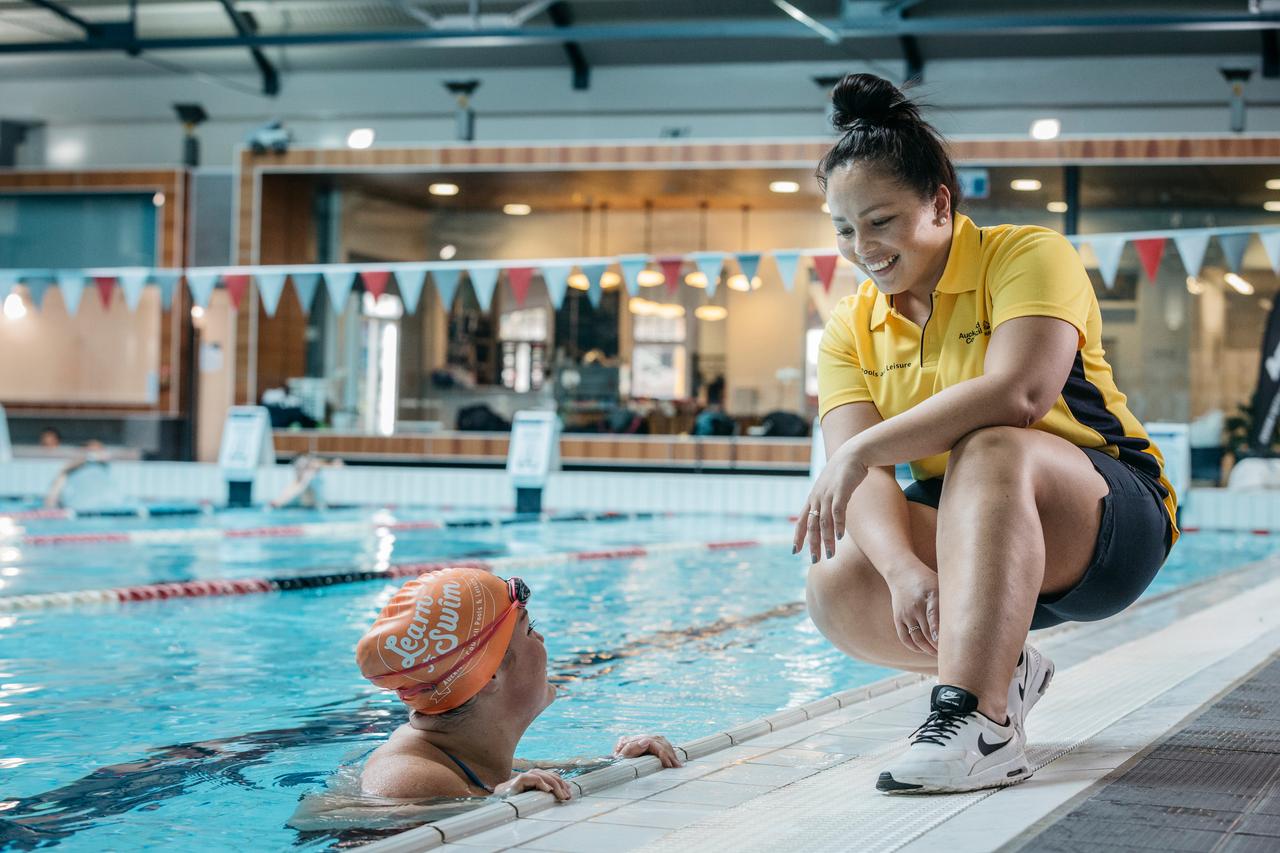
If you need any help while swimming at one of Auckland Council's pools, our friendly lifeguards are on help to help you with any queries or issues you may have.
Pool safety saves lives
An average of two pre-schoolers dies in home pool drownings in New Zealand every year, and we all have a part to play to get this number to zero.
More than 30,000 pools are registered with us across the region, and all pools require safety inspections every three years to help prevent drownings. We urge pool owners to carry out their own maintenance and inspections regularly too, to ensure ongoing safety and keep whanau and friends safe.
To see if your pool is safe and for more tips, you can find our full inspection checklist and safety information online.
All pools that can hold 400mm of water or more require the entry point to be fenced, even if the pool sides are 1.2m or higher. Keep anything climbable away from the pool sides. Removable ladders are no longer accepted - they must be fenced.
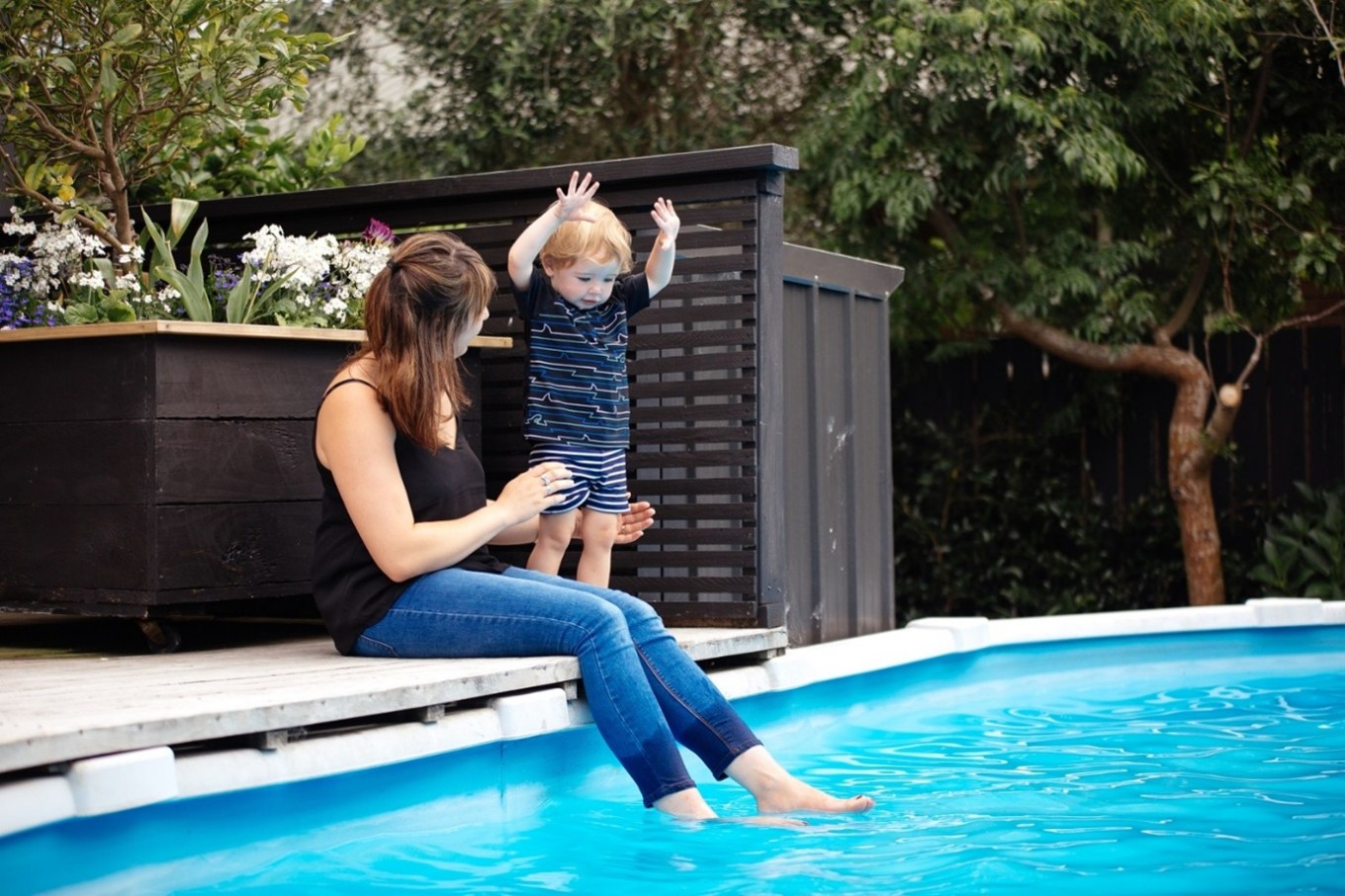
Stay close, stay safe: never take your eyes off children near water.
Be a backyard lifeguard
Follow these home swimming pool tips:
- Active supervision is crucial: keep children within sight and reach, without distraction. Children under five years of age should be in reach at all times.
- Have a dedicated person whose sole responsibility is watching the children, particularly during busy periods like during barbecues and food prep. It’s easy to think someone else is watching the pool – but making it one person’s job is the safest option.
- Set and discuss safe water-play rules with your children.
- Have a plan: what if you need to take one child to the toilet, or you need to run inside briefly?
- Be ready to respond in an emergency. Learn child CPR.
- Ensure inflatable pools are fully inflated and filled – this prevents the sides collapsing if a toddler leans on it.
- Check home pools and other bodies of water first if a child is missing.
- Identify potential water hazards and provide barriers to eliminate or minimise risk, especially if you are on holiday or visiting an unfamiliar location.
- When not in use, remove toys and other fun items from the pool that children might want to get at.