


With winter fast approaching, no one wants to be freezing in their home for fear that heating it will blow the budget.
These energy-saving tips help you save money while heating your home:
- Trim back any trees or plants that block your windows, but check whose land these are on to ensure you have permission to do so. This will allow more of the sun’s warmth into the house.
- Curtains can work wonders when it comes to keeping a home warm – provided they are lined, well-fitted and hung correctly. There should be no gaps between a curtain and the frame or wall at the top. Curtains should also reach the floor. They need to be lined so they trap an insulating air layer between the two layers of fabric. Honeycomb blinds are also very effective. If you’ve got a community services card, you may be able to get free curtains from the Habitat for Humanity curtain bank. If you open curtains during the day and close them before sunset, you’ll trap the warmth from winter sunshine.
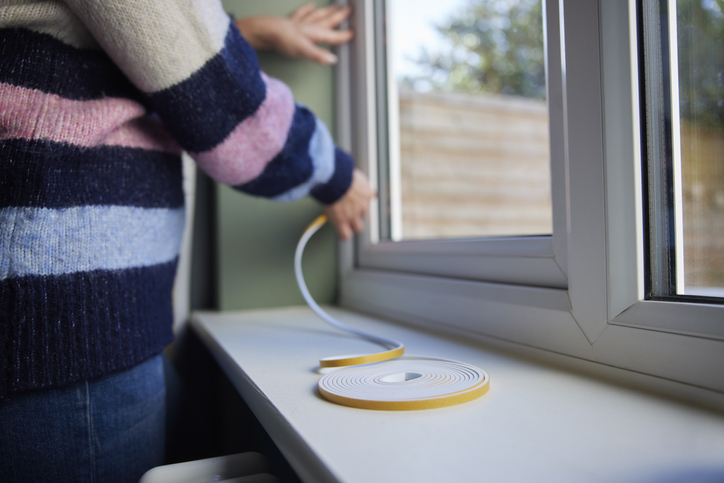
- Use draught-stopping tape or draught excluders to stop cold air getting in through gaps around door and window frames and seal off disused fireplaces. You can also buy window film which works like temporary double glazing.
- Check that your ceiling and underfloor insulation is still doing its job. If you can see the ceiling joists inside the roof cavity – or if there are obvious gaps in the insulation – then it needs to be topped up. If you don’t have any insulation in your home, you may be eligible for a grant through the Warmer Kiwi Homes programme, which will cover 80 per cent of installation costs.
- If you have a heat pump, clean the filters and set the thermostat on heating mode to 21 or 22 degrees. That’s a good balance between keeping warm but not wasting energy. For every degree higher you set your heat pump, you use 10 per cent more electricity. If you don’t have any fixed heating in the main living area you may be eligible for a heating grant through the Warmer Kiwi Homes programme, which will cover 80 per cent of the cost.
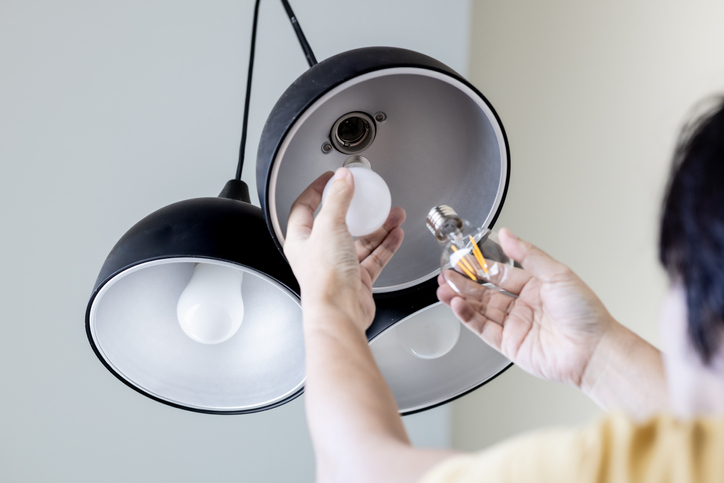
- Choose energy-efficient light bulbs and turn off lights – and appliances – when they’re not being used. LED bulbs use 85 per cent less electricity than incandescent bulbs and can last 15 times longer
- Install water-efficient showerheads. These will help you save water without reducing pressure, and they also use less energy to heat the water. Have shorter showers, too. There are big savings to be made by cutting showers from 10 to four minutes. Get a shower timer or set an alarm on your phone.
- Insulate your hot water cylinder and pipes. Most pre-2003 electric hot water cylinders are poorly insulated and even newer ones will benefit from an extra layer of insulation. Cylinder wrap and pipe lagging is available from hardware stores and can be used to cover the cylinder and the first metre or so of piping.
- Borrow a free Home Energy Audit toolkit from your local library and use the power meter to check the running cost of plug-in appliances especially older fridges and freezers. It may be worthwhile replacing them – choose appliances with the most stars on the energy rating label. Turn appliances off at the wall when not in use.
- Auckland Council provides free advice on how to make your home more energy efficient and healthy. The council has a team of certified home performance and eco-design advisors who offer up to one hour of free expert advice through virtual consultations or, if necessary, coming out to visit you at home.
For more information visit livelightly.nz/energy