


As the $5billion City Rail Link mega-project nears completion, Auckland Council’s Barry Potter reflects on what it will mean for the region.
As Director of Resilience and Infrastructure at Auckland Council, Barry has a key role overseeing council’s 50% stake in the project’s funding. He shares his thoughts on this transformative project
This is part of an occasional Q&A series where we speak to urban and economic development leads at the helm of the stewardship of the city’s growth.
Our Q&A with Barry Potter:
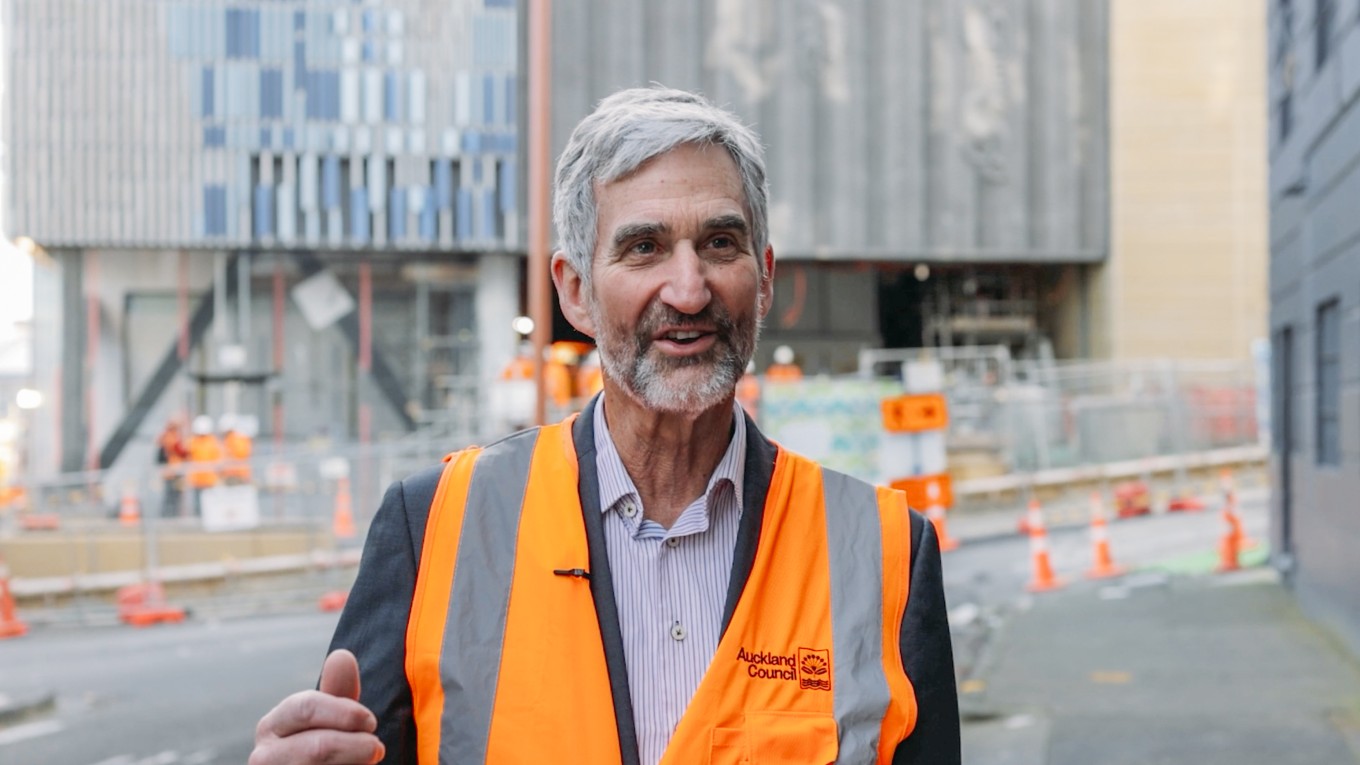
What will the City Rail Link mean for the region?
To really progress and become the city we can be and the city we want to be, we need the public transport system that the City Rail Link will provide. This will take us to a new standing among cities in this part of the world.
I've been involved in large projects, through New Zealand and internationally; some very large projects. This one is a true game changer for New Zealand’s biggest city.
What are some of the benefits for Aucklanders?
When the City Rail Link opens, there will be quite a transformation that comes with it. People will change the way they move around the city. Not just into the city centre, but right across the Auckland region. It will change where we choose to live, where we work. Trains will be coming through every 5 to 8 minutes at peak times.
We will see more people living in the city centre, but we'll also see more people living closer to the stations or to the networks, including bus networks and other modes like ferries.
You won't need a timetable at peak times. You will just turn up and catch the train. Buses will feed into the trains and there will be a whole integrated network. It will change the way we move. Those who have lived overseas will know what I'm talking about - in the major cities.
From a sustainability perspective it is also significant. The positive impact on the region, not just the city centre, will be quite dramatic. The more people use the rail network, the more vehicles are taken off the roads, the more sustainable Auckland becomes.
Who has been part of this project delivery?
The team on the City Rail Link project - we're talking literally about a few thousand people - construction workers, different subcontractors, the main contractors and Link Alliance, City Rail Link Limited, Auckland Council, Auckland Transport, KiwiRail, the Ministry of Transport - so many people have been involved in this project all the way through.
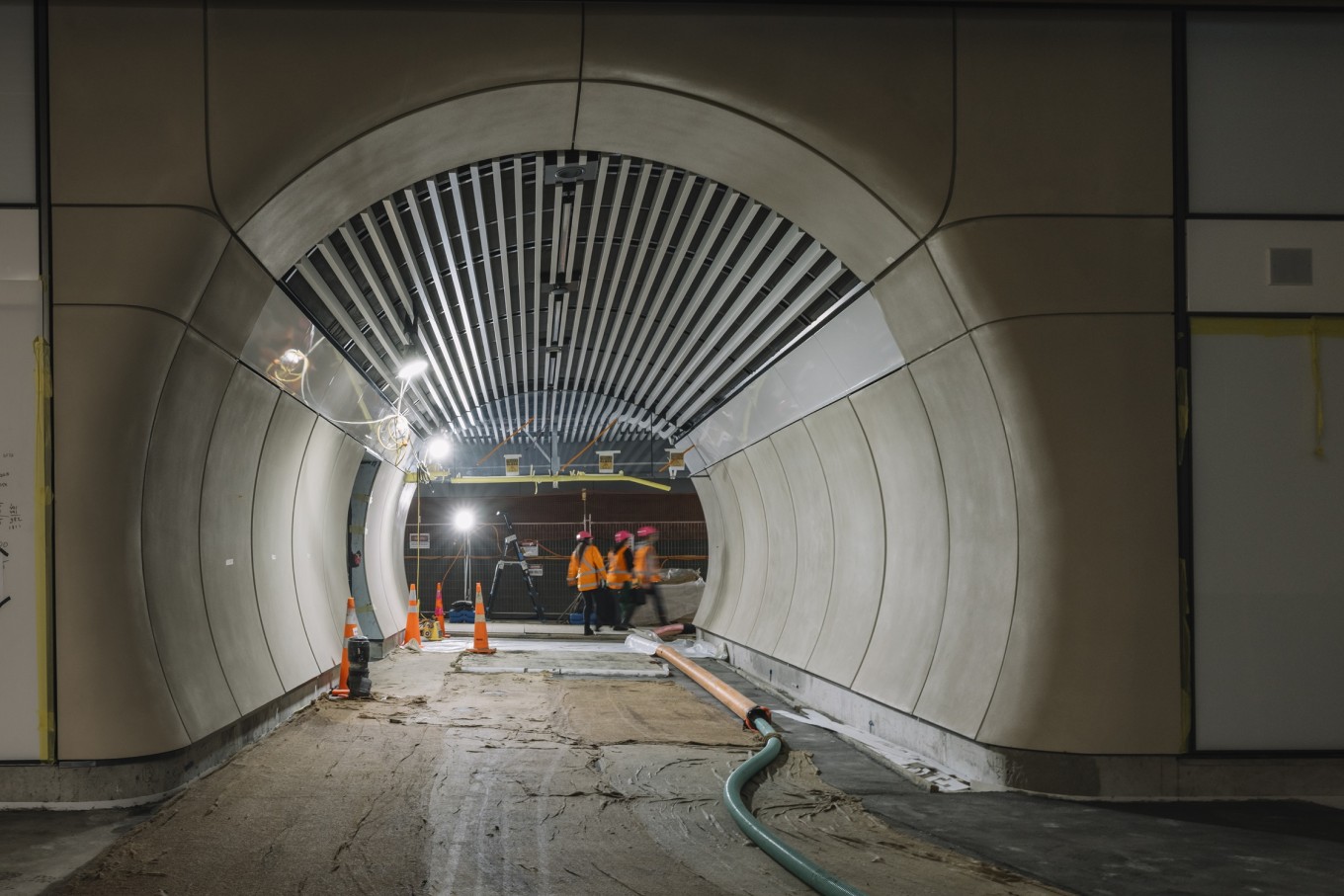
What makes Karanga-a-Hape unique?
Karanga-a-Hape station is very unique. There's been engagement with iwi throughout the design process. Māori artists have brought te ao Māori themes into the architecture and the art.
This station has special ceiling art at each entrance, with the Beresford Square ceiling artwork already in place. I'm a little cautious about spoiling the surprise of the Mercury Lane ceiling, which will be completed later this year. It will feature large sculptural kauri snails made of anodised aluminium. They represent the history of this area, as this ridgeline was once a kauri forest.
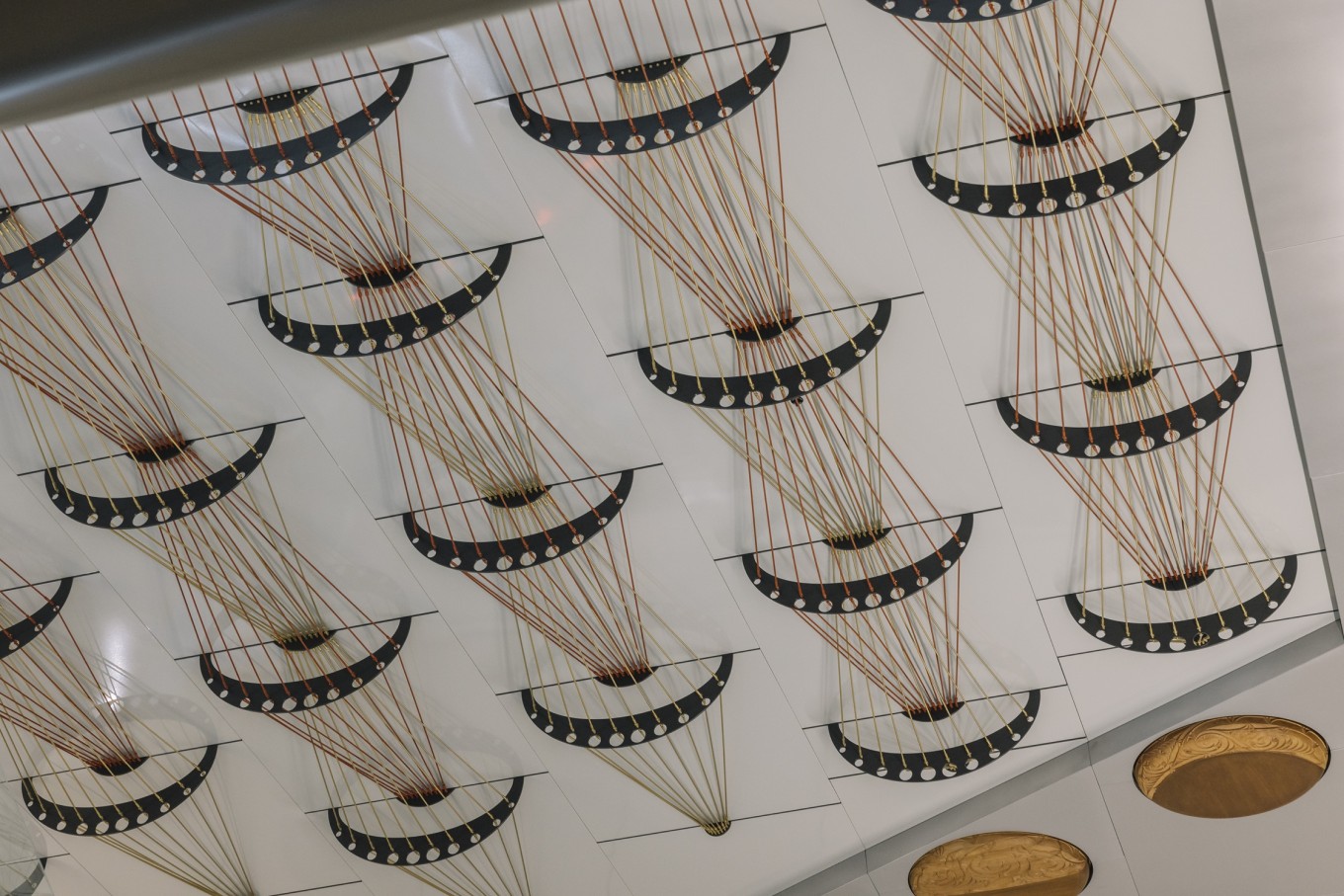
There are wonderful stories like this through all of the stations. Each station is unique. I know Aucklanders and visitors will enjoy these elements as they come in to catch trains.
View the design backstory.
How is this project seen internationally?
Throughout the design and implementation process, and also through employment on the project, we have worked with mana whenua. This project has won awards and set a new standard, illustrating to other international projects how to engage with indigenous peoples.
What can Aucklanders expect?
This is the largest, most complex transport project undertaken in New Zealand for decades. It sets a benchmark.
It will mean you’ll get to work faster in the morning, you’ll get home faster at the end of the day, and if you’re heading somewhere on the network on a Saturday night it will be a much more efficient and seamless trip. What’s more, you’ll see wonderful designs which tell our stories on the journey. These are great facilities which people will find easy to use. The City Rail Link will be used by people from throughout New Zealand and also international visitors. Everyone who comes through here will, I think, thoroughly enjoy the experience.
Barry Potter joined Auckland Council in 2015 bringing international experience as an engineer, project leader and regional CE of large infrastructure and environmental companies. He has worked and lived in Asia and the Pacific, as well as in his home country New Zealand.
More on City Rail Link (CRL)
The cost of the City Rail Link is $5.493 billion as published in the Project Overview.
The benefits of the CRL are significant:
- The CRL will make it easier to get around
- Reduces travel times, especially from the west to the city centre
- Improves access to the city centre
- Unlocks the regional network
- More frequent trains, meaning the ability to move more passengers
- New direct journeys across Auckland
It will support improved economic outcomes and development, creating jobs:
- Supports new homes being built and jobs being created close to, or above CRL stations
- Supports increasing employment in the city centre and near the network
- Helps increase land values around stations
It will increase opportunities for more homes to be built and help meet Auckland’s housing demand:
- Creates new development opportunities directly - through over-site development (buildings built directly on top of our new stations) and sites near stations previously used for CRL construction
- Enables greater density around stations – both the new City Rail Link stations and existing train stations – providing the opportunity to build more homes with easy access to the city centre
It will help drive increased productivity in Auckland:
- Significantly increases access to the city centre, which has Auckland's highest concentration of jobs. Improved access will enable even more businesses and jobs to locate here
- Contributes to reduced congestion on our roads by moving more people on public transport, making it easier to move goods around Auckland
- Contributes to more jobs and higher productivity for Auckland in the city centre and beyond