


How many of the items you use every day contain plastic?
Plastic is everywhere – from household containers to teabags. Plastic waste pollutes our rivers, land and even our bodies.
If you would like to have a plastic free home, you can kick-start your journey with our top four plastic free tips.
1. Make the switch
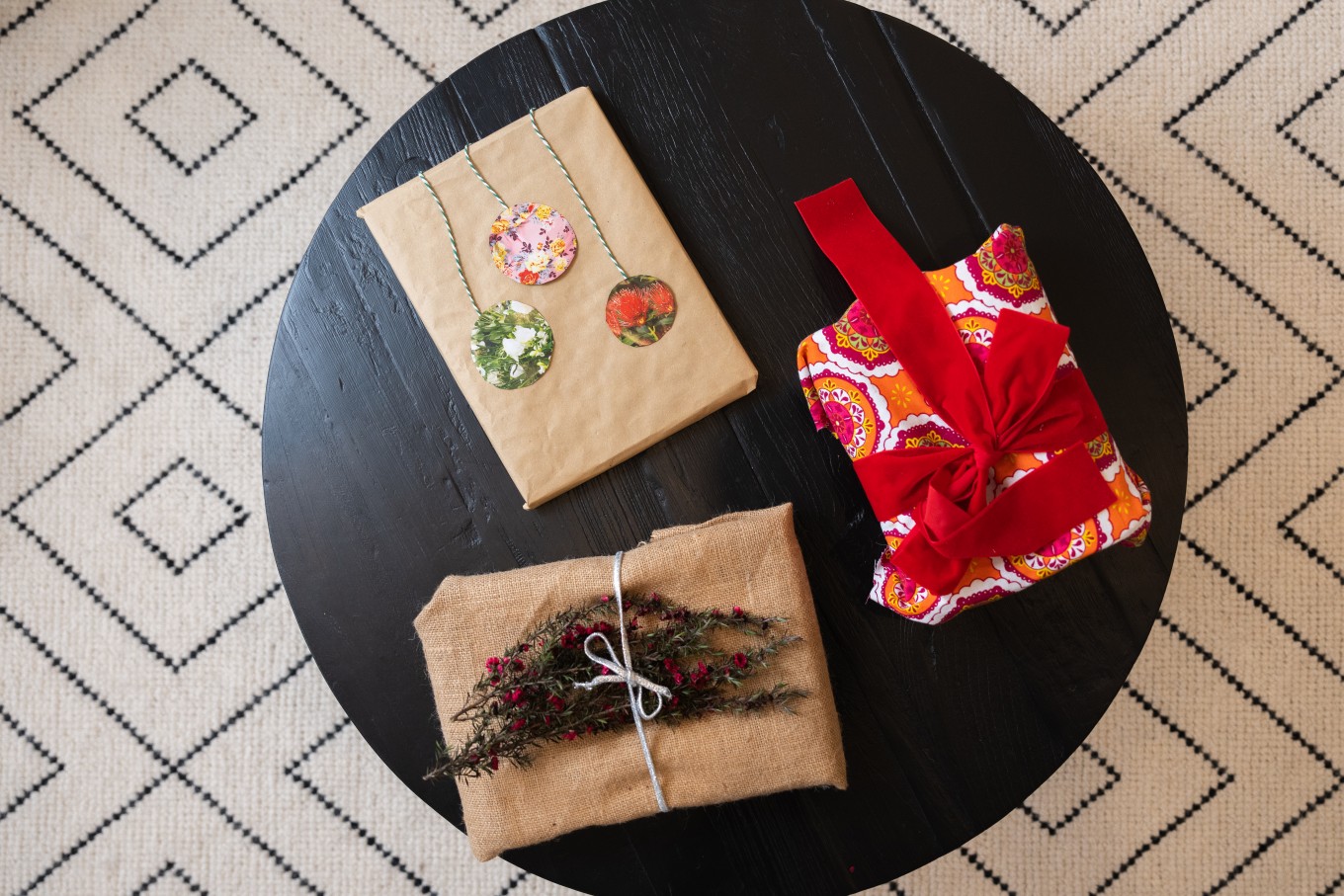
Ditch the single-use plastics for reusable alternatives – such as reusable fabric bags and containers. Choose glasses and ceramic mugs instead of plastic cups.
Opt for reusable razors and choose bars of soap instead of liquid soap in a container. You can even buy solid bars of shampoos and conditioners now for different hair types. Switch out your plastic tube of toothpaste for tablets, powders or paste in a jar.
Looking for party favours or decorations? Visit your local community recycling centre and buy quality secondhand goods.
2. BYO on the go
When you’re out and about, bring your own:
-
Keep-cup for your takeaway coffee
-
Reusable container and cutlery for takeaway food
-
Shopping bags
-
Water bottle and fill it at RefillNZ cafés and sites.
3. Shop smarter
When you are grocery shopping, be a conscious shopper and look for plastic-free products or ones with minimal packaging.
- Avoid plastic-wrapped vegetables and choose loose vegetables to put into your reusable produce bags
- Avoid any products wrapped in soft plastic
- Get your drinks in glass bottles or cans, not plastic bottles
- Choose looseleaf tea instead of tea bags
- Shop around for a delicatessen and bakery, that sells unpackaged items and lets you bring your own containers.
Avoid packaging altogether by checking out your nearest farmers’ market or zero waste bulk store, like GoodFor or Bin Inn. Take your own refillable containers and get just what you need, whether it’s food or cleaning products.
4. Learn to do it yourself
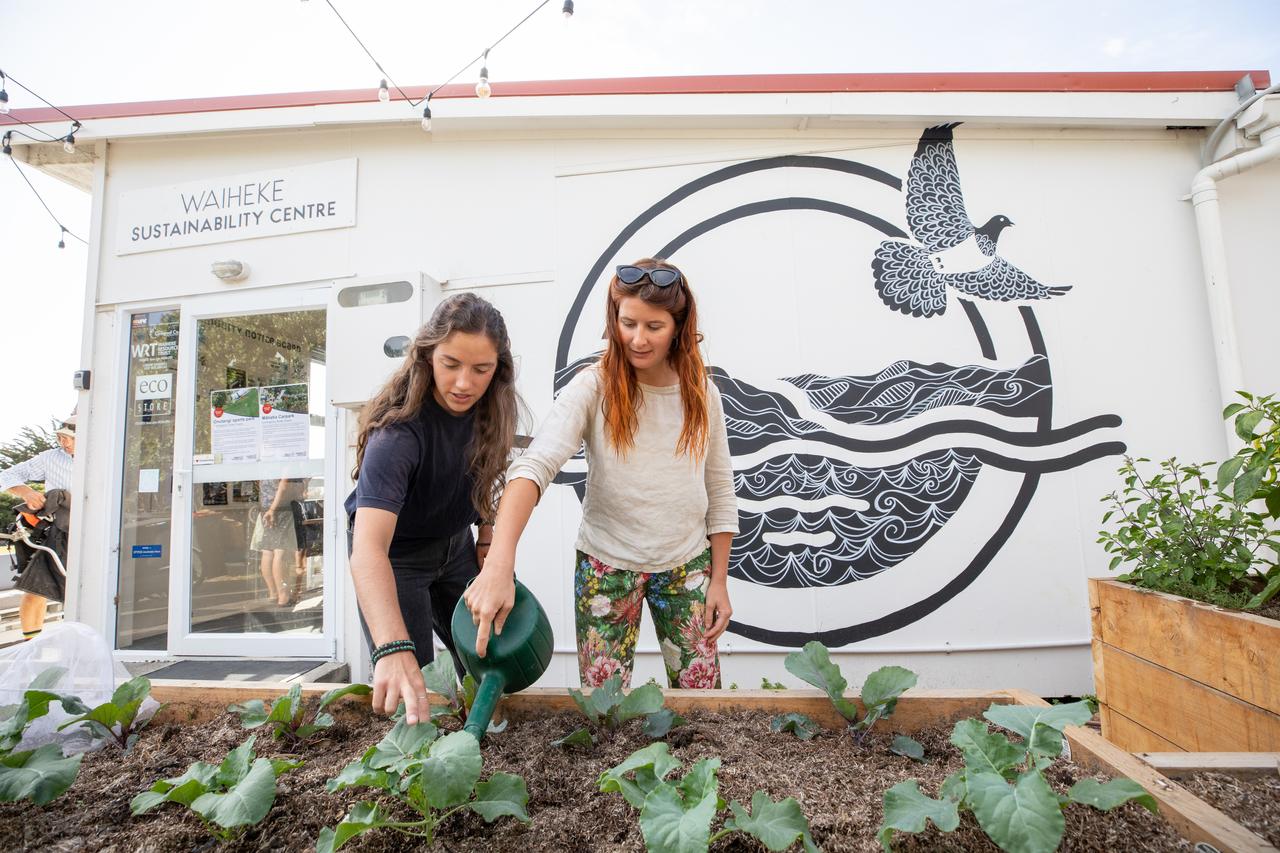
To reduce waste and reliance on plastics, you can grow your own vegetables, make your own cleaning products and repair your own clothes. You can find DIY recipes online to make almost anything, even deodorant.
Overwhelmed by the choices and don’t know where to start?
Auckland Council supports local community organisations that run how-to classes on a variety of subjects designed to reduce waste (including plastic waste) in ways that suit your lifestyle and family circumstances. Check out our list of Zero Waste Partners | Waste Nothing for organisations in your neighbourhood and across the motu.
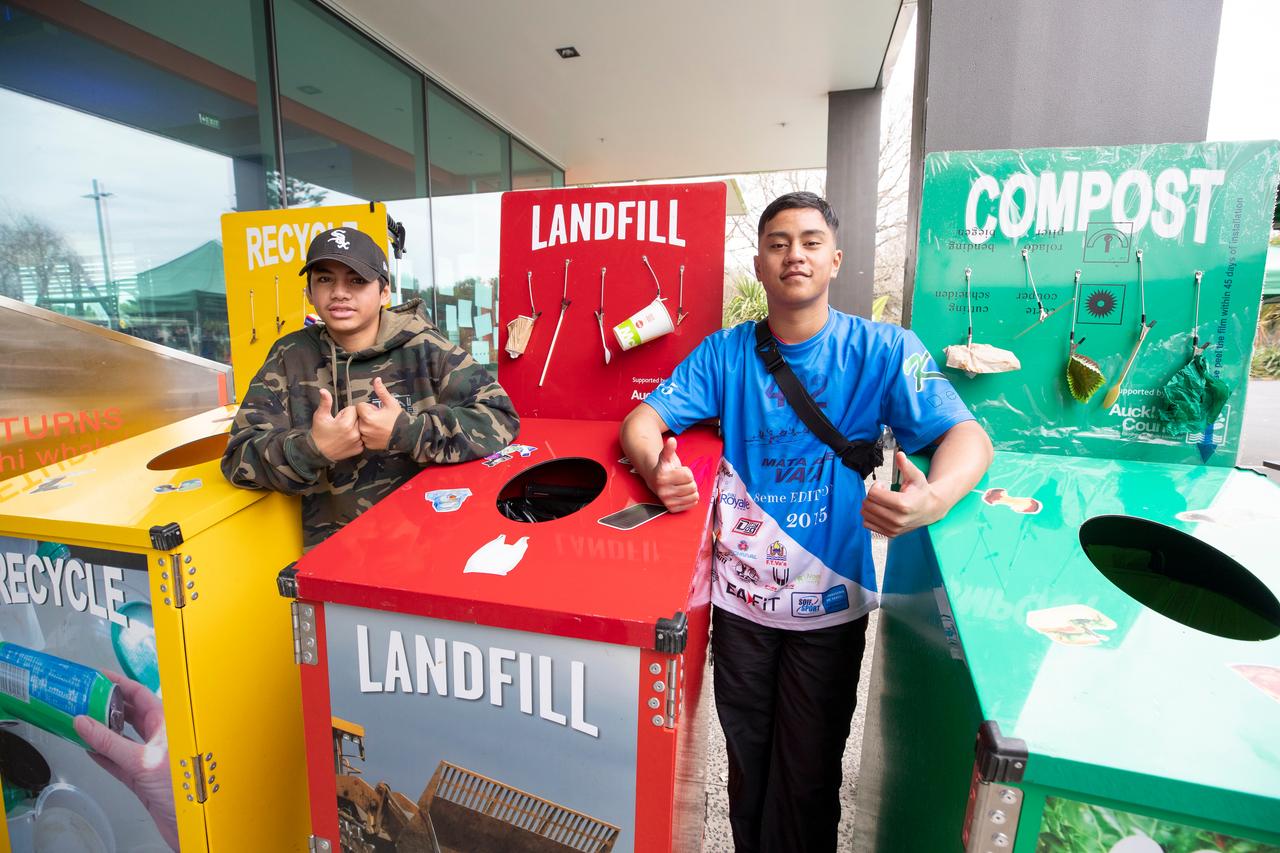
Plastic is everywhere, but you can choose to refuse
If you think you don’t really use that much plastic, you might be surprised to discover that plastic is part of many products. Here is a list of everyday items you may not realise often contain plastic:
- Chewing gum – contains plastic polymers
- Wet wipes – often made with polyester or polypropylene
- Clothing – synthetic fabrics are plastic based
- Receipts – thermal paper coated with BPA-containing plastic
- Glitter – made from microplastics
- Paints – acrylic paints
- Disposable coffee cups – lined with polyethylene to make them waterproof
- Toothpaste – may contain microplastics for scrubbing.
- Tea bags – sealed with plastic or made from nylon.
By choosing to refuse single-use plastic, you can protect the environment, protect you and your family’s health, and save money.
Plastic Free July is a global movement that helps millions of people be part of the solution to plastic pollution – so we can have cleaner streets, oceans, and beautiful communities. Set the trend among your friends and choose to refuse a single-use plastic item for the month of July and beyond!
And if going plastic free inspires you to go waste free, then join us on Auckland’s journey to zero waste. Find out how at Our Zero Waste Journey | Waste Nothing