


Auckland Council and contractor inspectors are working hard behind the scenes to protect our environment by enforcing rules around the sale of pest plants with early indications showing that most retail outlets are no longer stocking banned species.
Under the Regional Pest Management Plan (RPMP), new regulations came into effect on 1 September 2022, banning the propagation and sale of 55 RPMP banned plants through nurseries, garden centres, markets and florists. These rules were designed to stop the spread of invasive plant species which can escape gardens and wreak havoc in the wild.
This month marks three years since those rules came into force and council inspectors are marking the milestone by reminding Aucklanders why vigilance is so important.
Did you know that many of the pest plants we now spend millions trying to control, such as moth plants, ginger and climbing asparagus, were originally introduced as garden ornamentals?
These exotic plants, while beautiful, are a ticking time bomb for the environment.
The number of exotic species that have already escaped into the wild now exceeds the total number of indigenous plants in New Zealand. On average, 20 new species escape into the wild each year nationally, four of those in Auckland alone. With around 25,000 exotic species in our gardens and on our farms, there are no signs of this trend slowing.
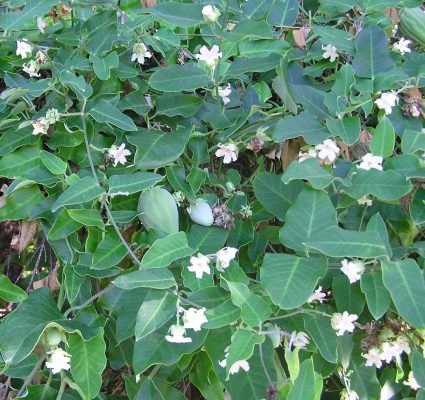
Pest plant species moth plant vine that strangles native trees and plants
Auckland Council’s Head of Natural Environment Specialist Services Dr Imogen Bassett says the scale of the problem is staggering and acknowledges that while compliance has been positive there’s still work to do.
“The good news is we’ve seen a real cultural change. Businesses understand that preventing pest incursions today saves significant costs and environmental damage tomorrow.
“The vast majority of outlets are doing the right thing and no longer stock banned species. However, we still sometimes find nurseries and garden centres carrying pest plants and we’re working closely with them to make sure they understand their responsibilities.
“The awareness of pest plant issues is far higher now than when we introduced the new rules three years ago,” says Dr Bassett.
Council inspectors play a critical role in turning that tide.
Last year alone, Auckland Council’s contractor inspectors made 160 visits to nurseries, garden centres, markets and florists, checking for banned species and raising awareness of nursery biosecurity.
The enforcement programme is not just about issuing penalties.
Inspectors also provide advice and support to plant breeders and retailers, helping them identify high-risk plants and raise awareness about the huge impact invasive weeds can have on native forests, wetlands, and coastlines.
“We all have a part to play,” says Dr Bassett. “I encourage everyone to be vigilant about what they have in their own gardens; do you know what current or potential weeds might be lurking there? It’s just as important as what’s on sale at the nursery. Some plants may look harmless, but if they escape over the fence or get carried by birds, they can spread fast and overwhelm native ecosystems.”
The programme of work has been funded by the Natural Environment Targeted Rate.
Aucklanders can do their part by checking their gardens for unwanted invaders and learning how to manage them. Tools such as Auckland Council’s Pest Search make it easy to identify pest plants, and the Auckland Botanic Gardens or Plant Me Instead [2.93MB] guides provide ideas for safer alternatives.
With vigilance from inspectors, retailers, and gardeners alike, Auckland can reduce the risk of the next “garden escapee” becoming tomorrow’s expensive environmental challenge.