


Auckland Council’s first-ever in-house dog desexing clinic is starting to show real impact in the city’s battle against dog overpopulation, with 475 desexing procedures already completed in just under five months.
The clinic, led by veterinarian Dr Roz Holland, has so far desexed 229 male dogs and 246 female dogs free of charge, with a waitlist of around 140 more dogs currently being assessed. The team is also preparing more targeted desexing campaigns in high-need areas, and numbers are expected to climb as processes become more streamlined.
This is one of Auckland Council’s many steps it is taking to tackle the roaming dog issues and to help keep Aucklanders safe from attacks from unwanted dogs.
The programme is funded through infringement fees collected from owners of unregistered dogs, ensuring the cost burden does not fall on responsible owners.
Dr Holland, who joined council’s Animal Management team earlier this year, says the results so far show the programme is hitting the mark.
“Everyone involved in dog control and dog welfare knows the key issue is overpopulation,” she says.
“And desexing is vitally important to addressing that issue. Unfortunately, the barriers, cost and transport, are just too high for many people. This role appealed to me because it directly addresses those challenges and has the resources to make a real impact.”
Dr Holland brings extensive international experience in animal welfare and desexing initiatives, having worked in Peru, India, the South Pacific, the United States and New Zealand. She says the Auckland role is an opportunity to tackle an issue of growing urgency.
“This programme is targeted, well-planned, and focused on the communities where it’s needed most. It’s encouraging to see the numbers coming through already, and I know we can build further momentum.”
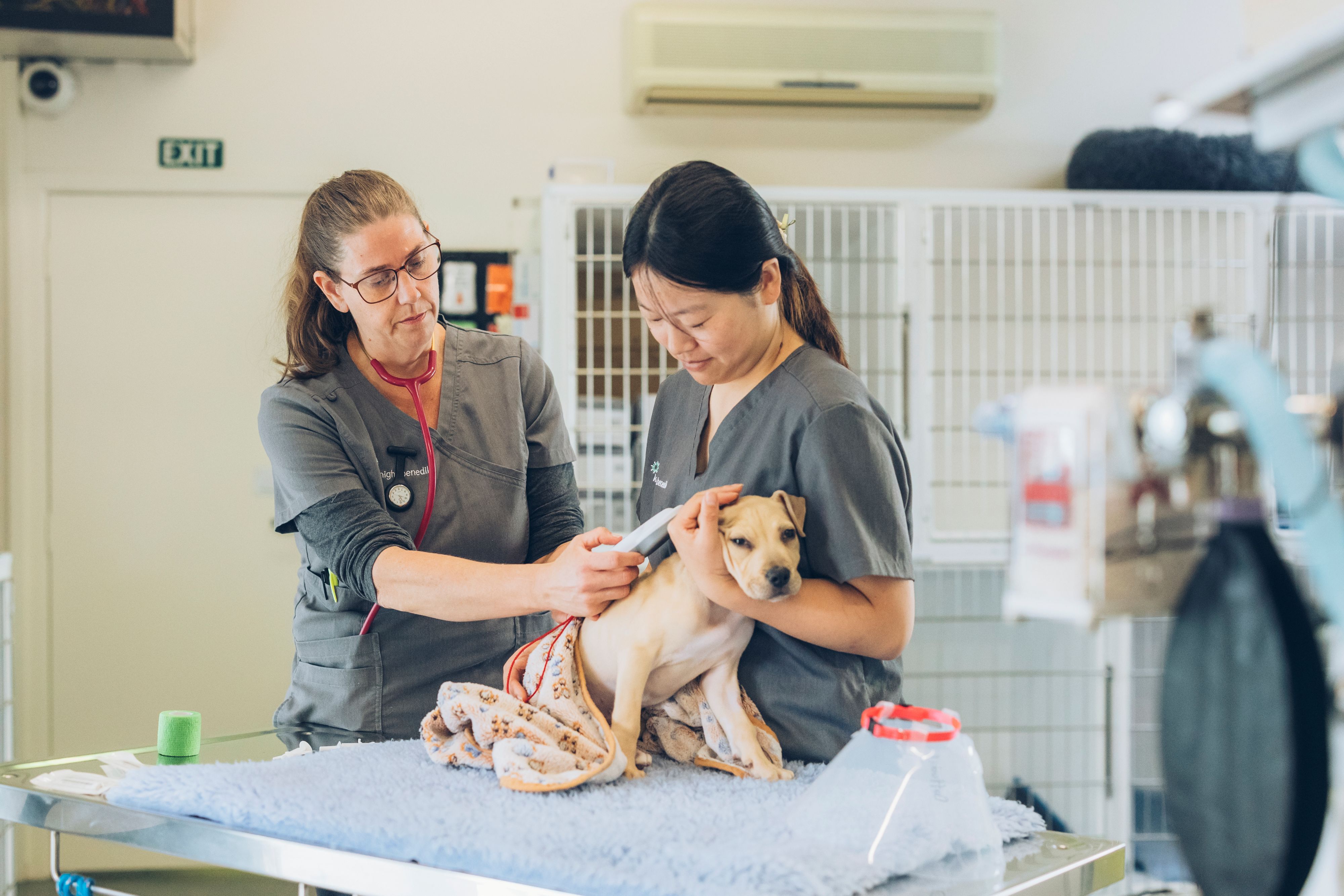
Veterinarian Dr Roz Holland and vet nurse preparing dog for desexing procedure
Veterinarian Dr Roz Holland and vet nurse preparing dog for desexing procedure
The scale of the problem in Auckland is clear. The council receives more than 15,000 reports of roaming dogs every year, with incidents rising by 50 per cent since 2020. More than 1,300 dog attacks on people are recorded annually, with a similar number of attacks on other animals.
Animal Management Manager Elly Waitoa says while progress is encouraging, the situation remains serious.
“Roaming dogs and overpopulation have become overwhelming, not just for the council but for communities across Auckland,” she says.
“Bringing Roz and the team onboard has given us new tools to respond, and the early results show we’re on the right track. The circumstances that led us here are disappointing, but we’re determined to turn the tide.”
The in-house desexing clinic is part of a wider strategy that includes:
- targeted desexing in high-risk areas
- getting tough on irresponsible dog owners
- dog registration drives
- increasing responsible dog ownership through public awareness campaigns like “For you, your dog and your neighbours”.
This campaign highlights the benefits of desexing and containing dogs, connecting with owners on a personal level. It is focused particularly on south and west Auckland, where roaming and dog attacks are most prevalent.
“The reality is that roaming dogs are affecting communities, causing harm, fear, and frustration. Our shelters are at capacity and controlling the dog population through desexing is key to us addressing these issues,” Waitoa says.
“But with targeted programmes and people like Roz leading the way, we’re addressing it head-on. We’ve made a good start, and this is just the beginning.”
Applications are not open to the public - dogs must meet specific criteria and be referred by Auckland Council Animal Management.