


As Aucklanders prepare to make the most of long summer days on the water, it’s worth remembering the Hauraki Gulf is more than just a playground; it’s home to some of our most treasured wildlife and island sanctuaries. With more boats expected on the water, Auckland Council is urging boaties to do their bit to protect this unique environment – here’s how you can help:
1. Exotic caulerpa seaweed: the super-spreader
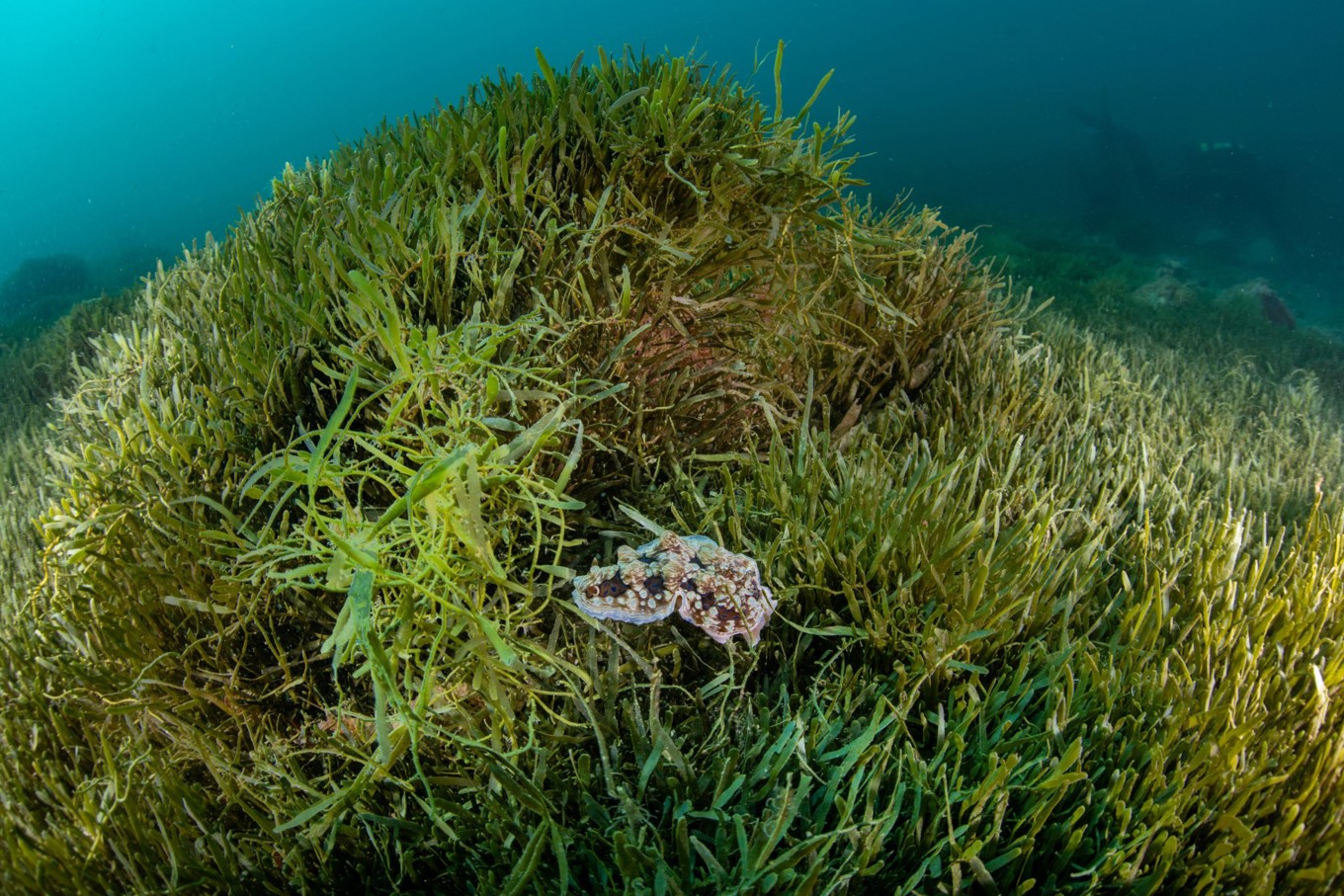
One of the most pressing threats is the spread of exotic caulerpa, a fast-growing seaweed that smothers the seafloor, displacing marine life and likely impacts fishing, boating, and cultural activities.
It has been found at Aotea/Great Barrier Island, Kawau, Rakino, Hauturu/Little Barrier, Mokohinau, Coromandel and Waiheke, this super-spreader must not be allowed to spread further. Boaties can help by checking anchors and equipment, avoiding anchoring in known areas and following the Control Area Notices (CAN) rules. To learn more about caulerpa and CANs visit the Ministry of Primary Industries website.
If you are boating in the Hauraki Gulf check out the new Marine Protected Areas that came into effect on 25 October and follow them.
2. Island pests: unwanted hitchhikers
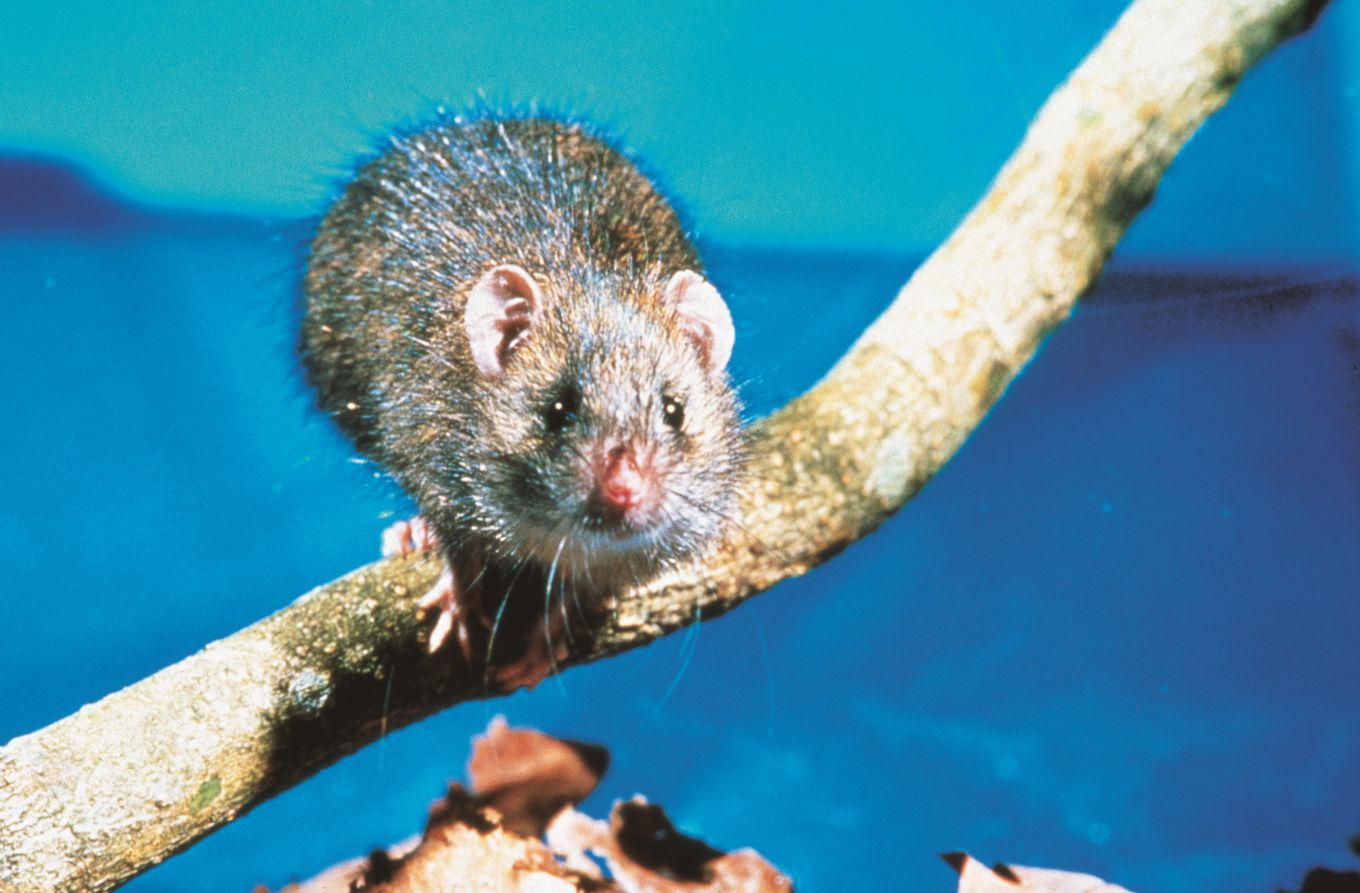
Rodents, ants, skinks and other pests are another serious risk. Pest-free islands like Rangitoto, Motutapu, Tiritiri Matangi, and Little Barrier are vital sanctuaries for rare species like takahē and shore plover. But those pests can easily hitch a ride on shoes, gear, or boats and once established, cause devastation. That’s why visitors are urged to check, clean, and close before heading out. Clean clothing, footwear and camping gear thoroughly, scrub soil from shoes, and make sure bags and food are sealed tight.
3. Pets: cute from a distance
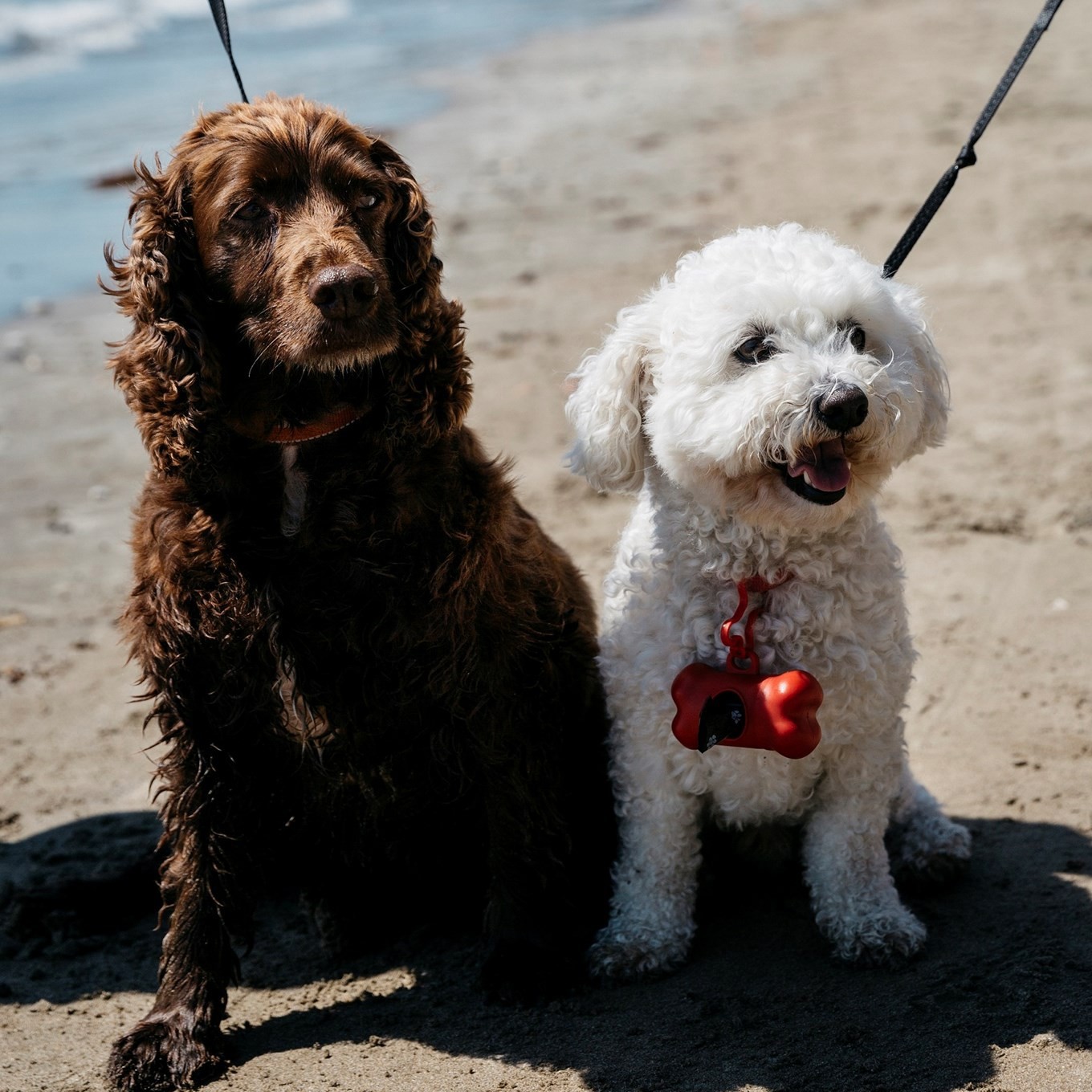
Your furry friends are cute but not when they threaten native wildlife on our islands. So when venturing out in the Hauraki Gulf, please leave your pets at home. Dogs and cats are strictly prohibited on pest-free islands under law; not only do they disturb vulnerable nesting birds but bringing them ashore could result in fines or prosecution.
4. Rubbish: pack in, pack out
Keeping the Gulf healthy also means keeping it clean. Boaties are asked to take rubbish home, recycle where possible, and cut down on single-use plastics. Sustainable Coastlines’ clean-ups have shown that over 75% of waste found on our beaches comes from disposable plastic items – food wrappers, bottle caps, bags and foam packaging. Every bit of care helps.
As you set out on the water this summer, remember: these islands and waters are fragile taonga, and they rely on all of us to protect them. With a few simple checks, cleaner habits, and respect for the rules, we can all enjoy the Hauraki Gulf while ensuring it remains safe and thriving for generations to come.
5. Boaties’ checklist for a safe and clean gulf
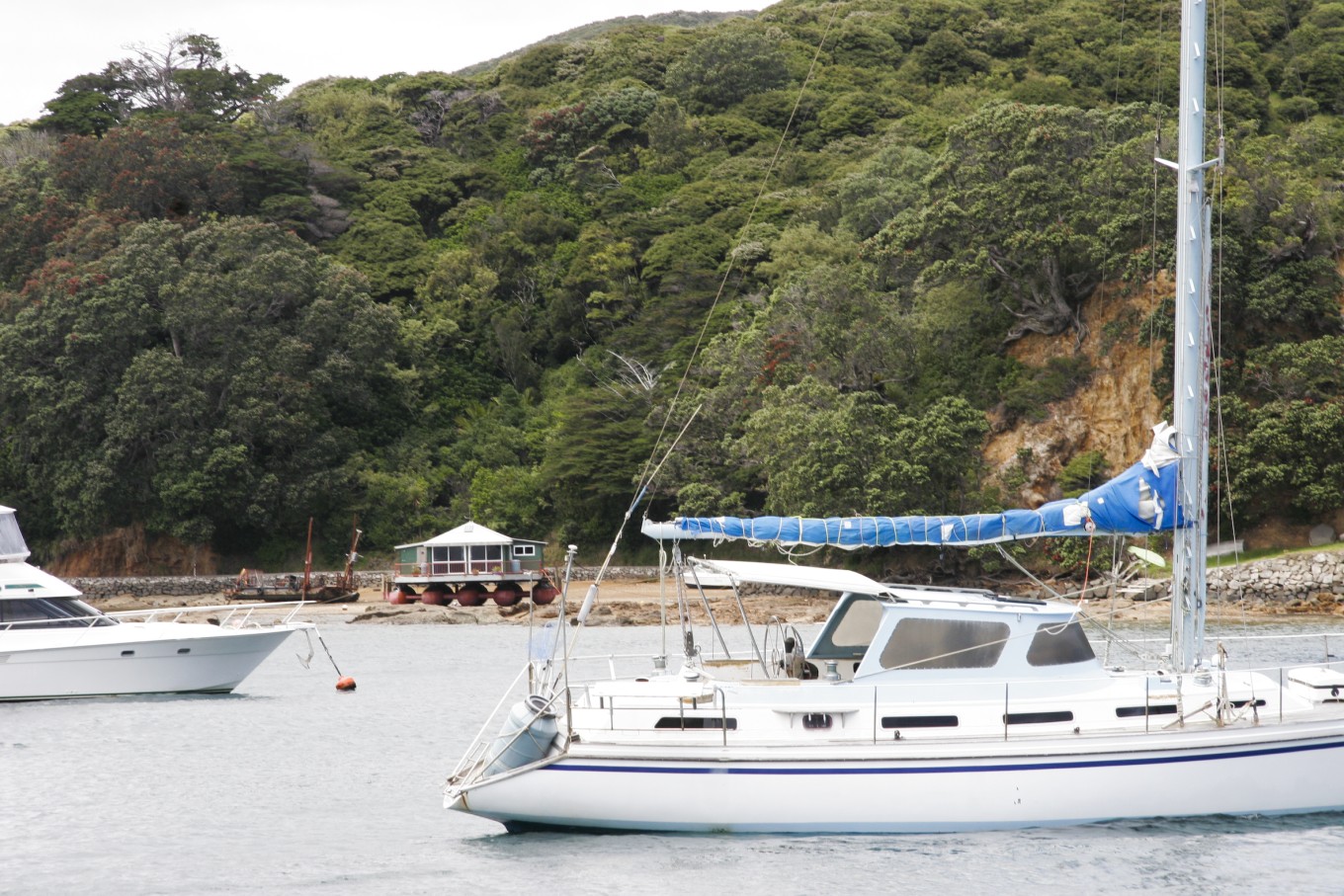
- Check, clean, close: scrub shoes, gear, and camping equipment before and after your trip.
- Inspect your boat: look for signs of rodents, ants or skinks; use bait and traps if needed.
- Ensure your boat hull and underwater niche areas are clean and pest free.
- Book your hull in early for a clean to avoid the early season rush.
- Leave pets at home: dogs and cats are not allowed on pest-free islands.
- Pack smart: food in sealed containers, no open bags.
- Waste-wise boating: bring bins for rubbish and recycling and take everything back to shore.
- Mind the seaweed: avoid exotic caulerpa zones and clean anchors and gear thoroughly of any seaweed before moving to other locations.