


As the days get longer and the barbecues fire up, Auckland beaches aren’t the only place humming with activity.
Out in the twilight, long-tailed bats or pekapeka, one of New Zealand’s only two native land mammals, are having their own version of a summer holiday. Think of them as tiny partygoers with fur coats, about the size of your thumb, and an appetite for a mozzie-cocktail or two hundred. That’s right – these helpful little creatures like to feast on pesky mosquitoes!
Auckland Council’s Senior Conservation Advisor Ben Paris, better known to many as “NZ Batman” says bats are basically living their best lives in summer.
“They’re feeding up, catching up with mates, and just like us, they prefer to keep their own space while they do it.”
From November through February, Auckland’s bat scene heats up. These little flyers roost by day in carefully chosen “holiday homes” - trees that warm nicely in the afternoon sun. By dusk, they burst out like partygoers spilling from the bach, heading to streams to chow down on flying insects. It’s their version of late-night snacking after a siesta.
And while humans gather in backyards and on beaches, bats are busy mingling in the treetops. They’re a bit more introverted, though. They’ll hang out with their batty buddies but prefer not to gate-crash human hangouts. So, if you do spot a bat flitting overhead, enjoy the cameo, just don’t expect them to stop in for a sausage or a beer.
Predator control, thanks to hardworking communities and council’s Natural Environment Targeted Rate, is also giving bats a real chance to relax. When we create safe habitats, plant native trees and connect green corridors, we’re basically building bat-friendly highways and holiday homes.
“It’s like finally being able to sit at the park without worrying about someone harassing your picnic spot, or an Airbnb for pekapeka, minus the cleaning fee,” says Paris.
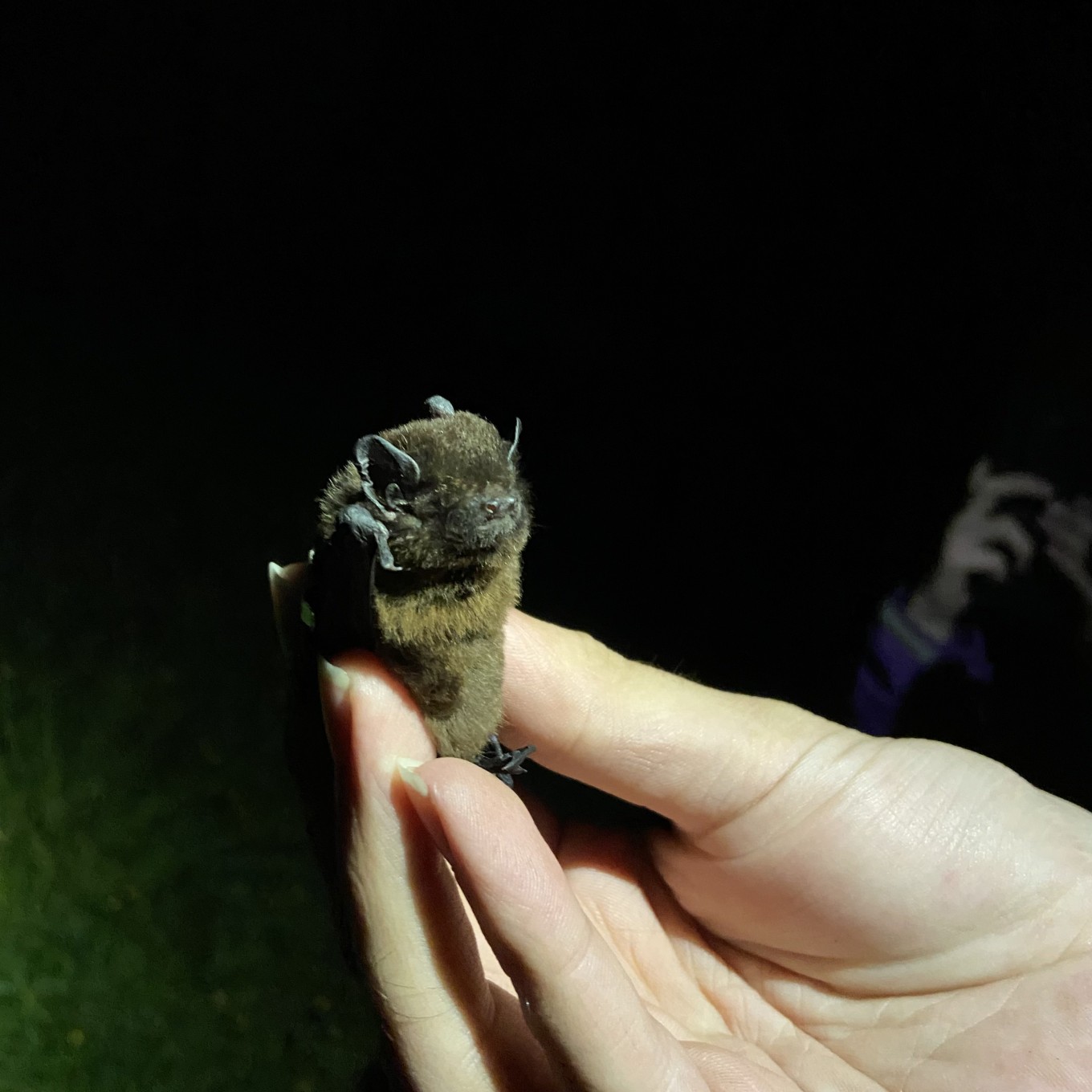
Native long-tailed bat.
“The more we control pests and provide better habitat, the safer bats feel to hang out where they belong.”
This summer, while you’re planning road trips, picnics, and beach days, there’s a flurry of bat activity across the region, and bat walks have been selling out faster than Elton John tickets:
Franklin: in year three of a big tracking project with EcoQuest and mana whenua bats are being recorded across farmland, proving they’re tougher commuters than Auckland traffic allows. A series of bat walks will be held over summer to engage the community around these newly found bat populations. Find out more on Facebook.
Manurewa: recorders are being used to detect bats around Totara Park and the Auckland Botanic Gardens. Community bat walks will give locals a chance to go bat-spotting. Find out when through Facebook.
Huia: as this is a kauri dieback area, high-tech drones are helping track bats in the Waitākere Ranges, a world-first for Auckland! Roosts will be protected alongside other rare species like Hochstetter’s frogs.
Tamahunga: a dedicated pekapeka coordinator is working with Forest Bridge Trust to monitor bats near areas already known for kiwi protection.
So, as you toast marshmallows this summer, raise one to the long-tailed bats, the after-dark entertainers, mozzie-munching champions, and unsung heroes of our forests.
As Paris says: “Once you start looking for them, you realise these little guys are the life of the party, you’ve just got to turn up at the right time.”