


Bamboo has a reputation problem. To some Aucklanders it’s a design darling - sleek, fast-growing and perfect for privacy. To others, it’s the plant that ate the fence, cracked the driveway and popped up next door without permission.
Originally from South America and Asia, bamboo is one of the most extraordinary plants on earth, with more than 1,400 species. None, however, are native to New Zealand.
Bamboo first arrived in the mid-1800s, reportedly with Governor Grey, who planted it for ornamental appeal. Those historic plantings still stand today at the Auckland Domain and Kawau Island’s Mansion House.
Over time, crown research institutes imported bamboo for agricultural trials, and by the 20th century it was being grown for food, construction and gardens. That’s when the love–hate relationship began.
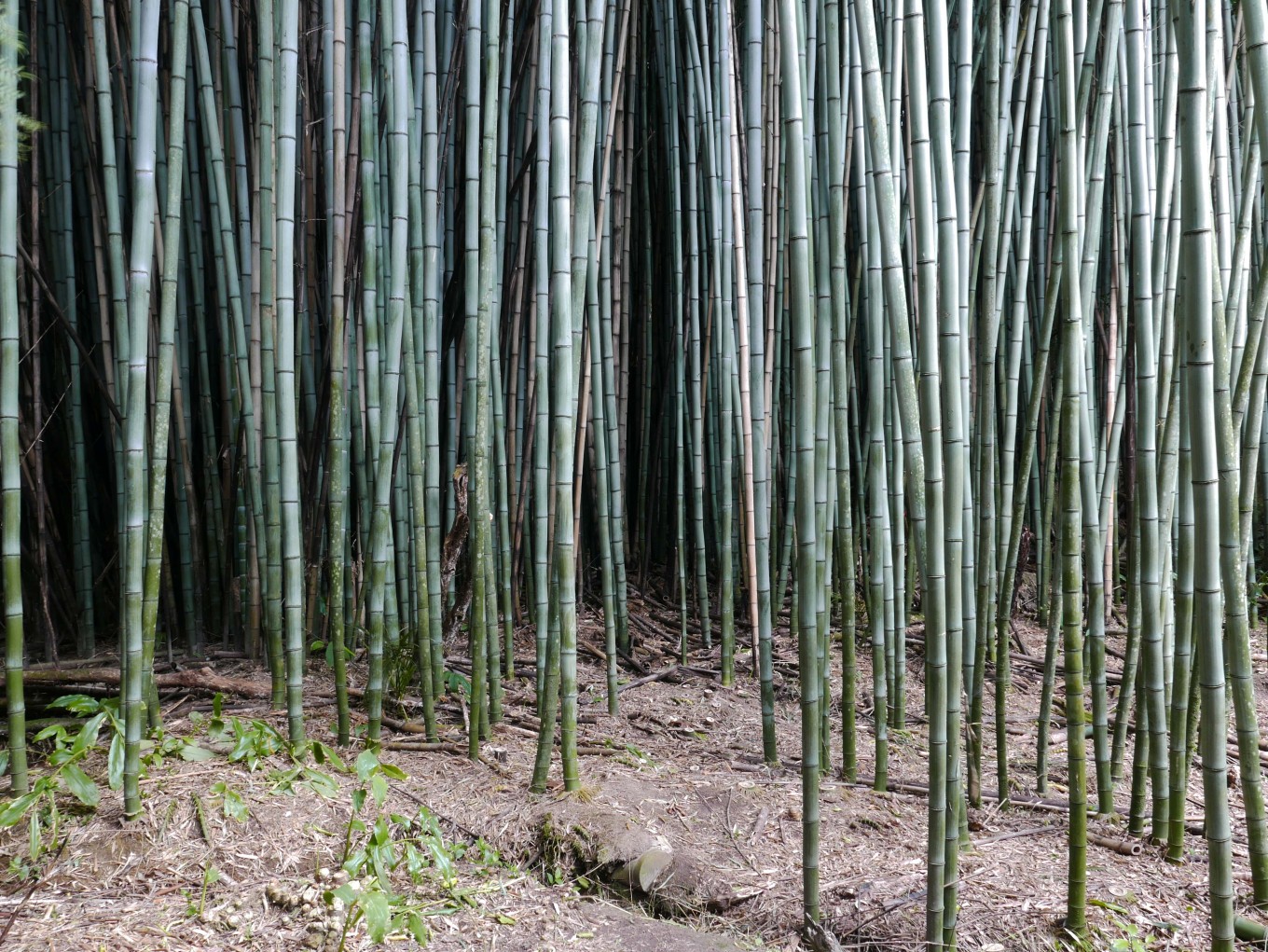
Running bamboo - a pest plant in Auckland.
Auckland Council’s Senior Regional Advisor Pest Plants Holly Cox says bamboo quickly became a plant that inspires strong feelings.
“People admire its beauty and versatility, but those dealing with invasive plantings can find it incredibly frustrating.”
The key difference lies underground.
Clumping bamboo stays put and is widely used in Auckland’s courtyards and compact gardens that do not cause any problems. Running bamboo, however, is a pest plant that spreads through aggressive underground rhizomes and can take over large areas if left unchecked. Large running species push through fences, paths and even underground services.
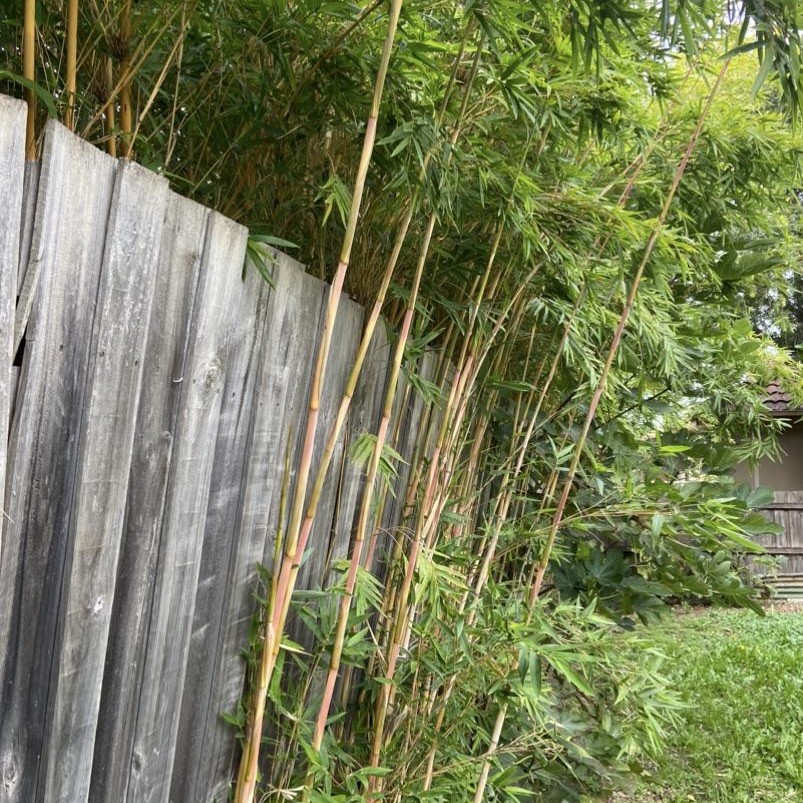
Running bamboo pest plant that has spread from one property to another.
With Auckland’s diverse population, demand for bamboo has grown, particularly from communities wanting edible shoots or a reminder of home. But the nuisance and likely damage risks are real. Invasive running bamboo can outcompete regenerating native trees, forming dense stands that dominate the landscape, also making it a potential environmental risk.
For those wanting to plant bamboo, Auckland Council encourages gardeners to talk to suppliers and nurseries to establish which bamboo species with best for their space.
To limit the damage, Auckland Council has banned six high-risk species under the Regional Pest Management Plan. These bamboos can’t be sold, bred or planted, although existing plants can be moved within the same property boundary.
Bamboo doesn’t spread by birds or wind. Instead, it creeps quietly through rhizomes which is why neighbour disputes are common.
Senior Conservation Advisor Michelle Brinsden say she gets many requests for help with bamboo removal on private property.
“Council can’t enforce removal unless it breaches the pest plan. The responsible action is to remove your bamboo or at the very least control it, so it doesn’t spread beyond your boundary.
“If invasive running bamboo isn’t controlled early, it can quickly spread underground, cross property boundaries, and become extremely costly to remove.”
There is some unexpected, good news. Several invasive species, including black and golden bamboo, are currently flowering worldwide, a rare event that often leads to the plant’s death. In Auckland, many affected groves are already thinning and weakening, reducing their invasive impact.
Bamboo isn’t Auckland’s villain but planted carelessly, it can become one.
For more information on bamboo, visit the Tiaki Tāmaki Makaurau website.