


When we first think of history, our minds often turn to books, lectures and museums. But history starts as we walk out the door.
Explore 26 Heritage Walks across Tāmaki Makaurau. Any time of the year these walks build new layers of knowledge about our region’s history.
To get you started on your heritage discovery we’ve selected four options, suitable for most ages and walking abilities.
Meander through history in the city centre
Just as London had its Great Fire, so too did Auckland.
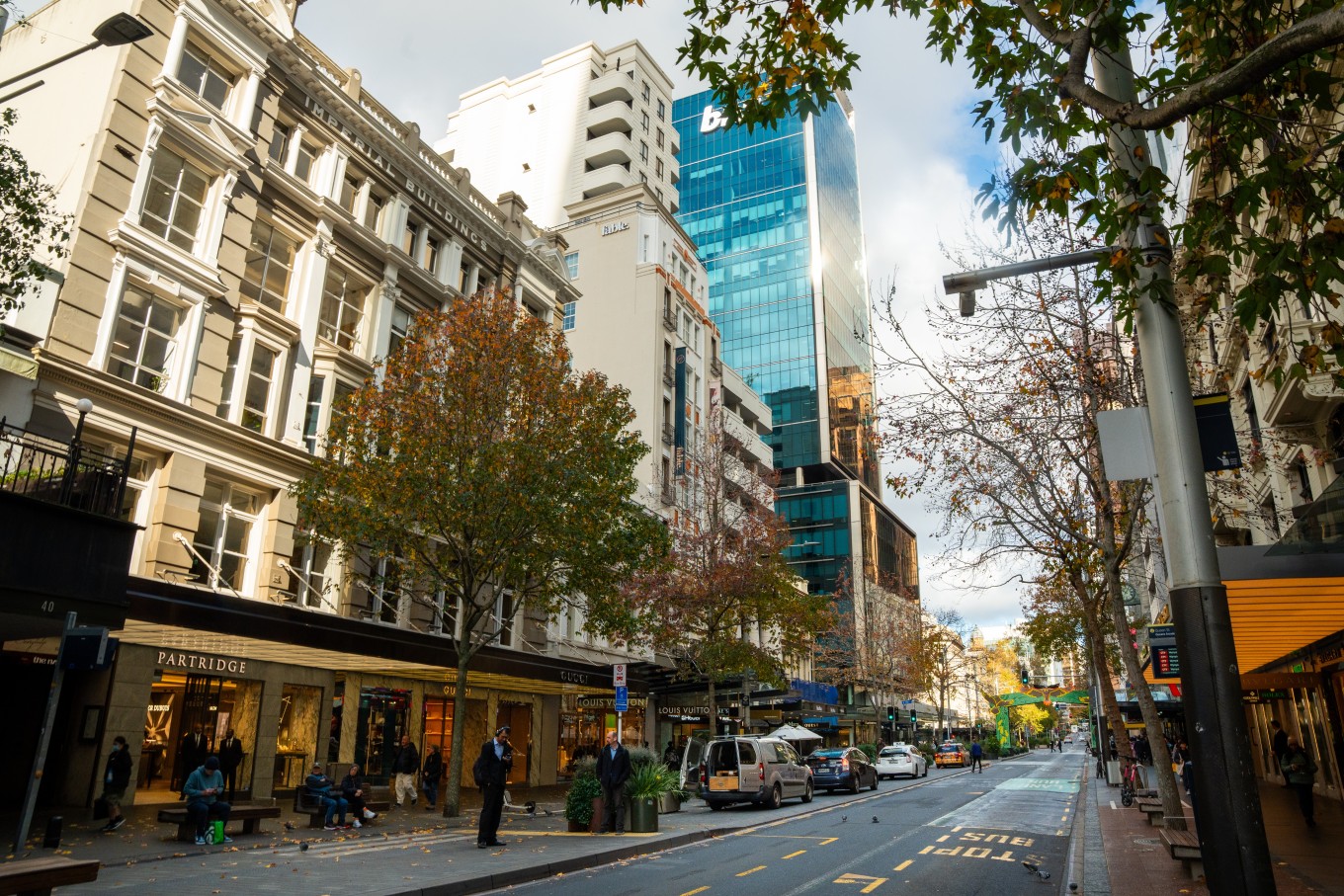
High and O’Connell Streets, along with Chancery Lane, now offer upmarket shopping, dining and living, but once they housed workmen and workshops while peddlers, bookmakers and cockfights were common in Vulcan Lane.
A fire in 1858 saw many of these businesses razed, prompting owners to move to Queen Street where flatter land and better drainage meant grander buildings could be constructed.
The Midtown Walk helps open a window into the politics, economics and social forces that shaped our country’s biggest city. It takes around an hour and a half, depending how often you stop to take in your historical surroundings.
You can make a full day of it by combining the Midtown Walk with Downtown and Uptown Heritage Walks, each also taking roughly an hour and a half.
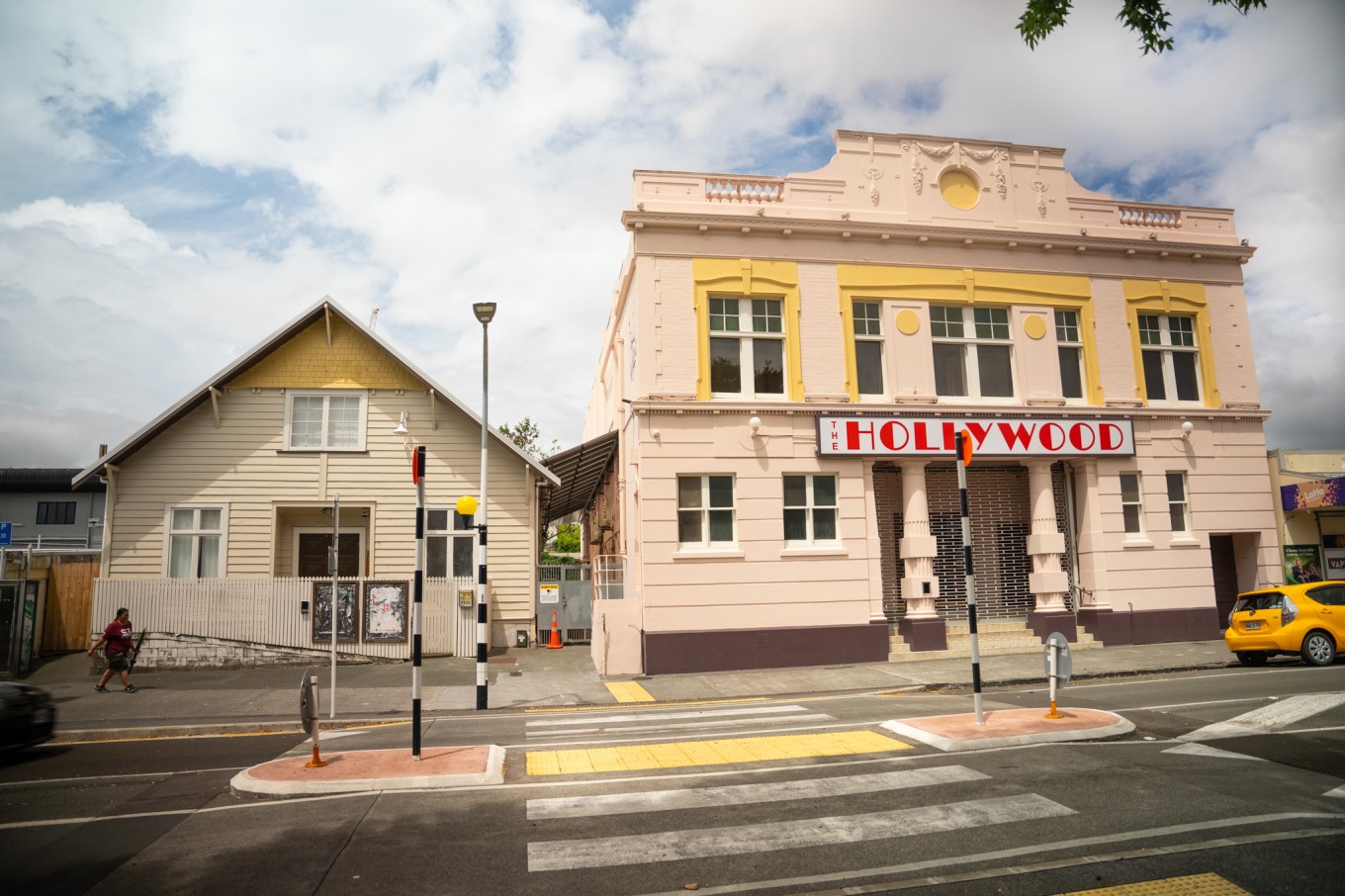
Film screenings, concerts and plenty more are available at The Hollywood, one of Auckland's oldest cinemas nestled in Avondale.
The Avondale-Te Whau Heritage walks include the Avondale Town Centre and Rosebank Road industrial area to give a rich picture of the area’s Māori settlement, the arrival of Europeans, market gardens, early industries and the suburb’s development.
Prominent landmarks include the famed Hollywood Theatre, once the Avondale Town Hall.
From 1915 – 1923, the building had an impressive entranceway – columns, wide stairs, and a dome on the roof – that lead to a humble wooden hall.
When Avondale became a borough in 1922, it was decided to keep the entranceway but move the old hall and replace it with a slightly grander building. In 1927, the building became a cinema – still beloved by today’s movie-goers.
But the Hollywood is not Avondale’s oldest surviving building; St Ninian’s Church and Churchyard across the road from the Hollywood, built in 1859 – 60, and St Jude’s Anglican Church up the hill, opened in 1884, both predate it.
Even earlier traces of Māori settlement remain alongside Te Whau River and Te Auaunga (Oakley) Creek.
If you walk along their banks, try to imagine the seasonal camps and papa kāinga (villages) of tangata whenua who hunted for kuaka (godwits) which flew overhead in such numbers that they could be knocked from the sky with long poles.
The city’s majestic icons
In 1921 the elegant Wintergarden glasshouses opened to fitting fanfare in the Auckland Domain, and in the same decade the first ‘atmospheric’ theatre, the magnificent Civic Theatre, was occupying the creative minds of city architects before opening in 1929.
Walk among these icons. All are expressions of Auckland’s past, and all have been restored to their former glory by the Auckland Council group - with a little help from contemporary ingenuity and technology.
Read more on OurAuckland about these majestic icons.
While you’re taking in the city’s history , take a moment to picture how inventive Auckland was in the early 1900s.
Public transport was flourishing with a tram and ferry network bursting at the seams with people. In 1902, Queen Street was asphalted for the first time. Initially , the horses would slip on the new, unfamiliar surface, but people reported having cleaner shoes! Ten years later, the Chief Post Office building opened its doors at the seaward end of Queen Street.
Hemlines were lifting above the ankle for women as the world’s fashion liberation was gathering momentum, and the first public conveniences for women were opened in 1910 as part of a tram station in Symonds Street.
On 17 December 1915, while troops were being evacuated from Gallipoli, the WWI Memorial Beacon in Quay Street was first lit. The monument symbolised a beacon of hope and safe return home for our Kiwi soldiers.
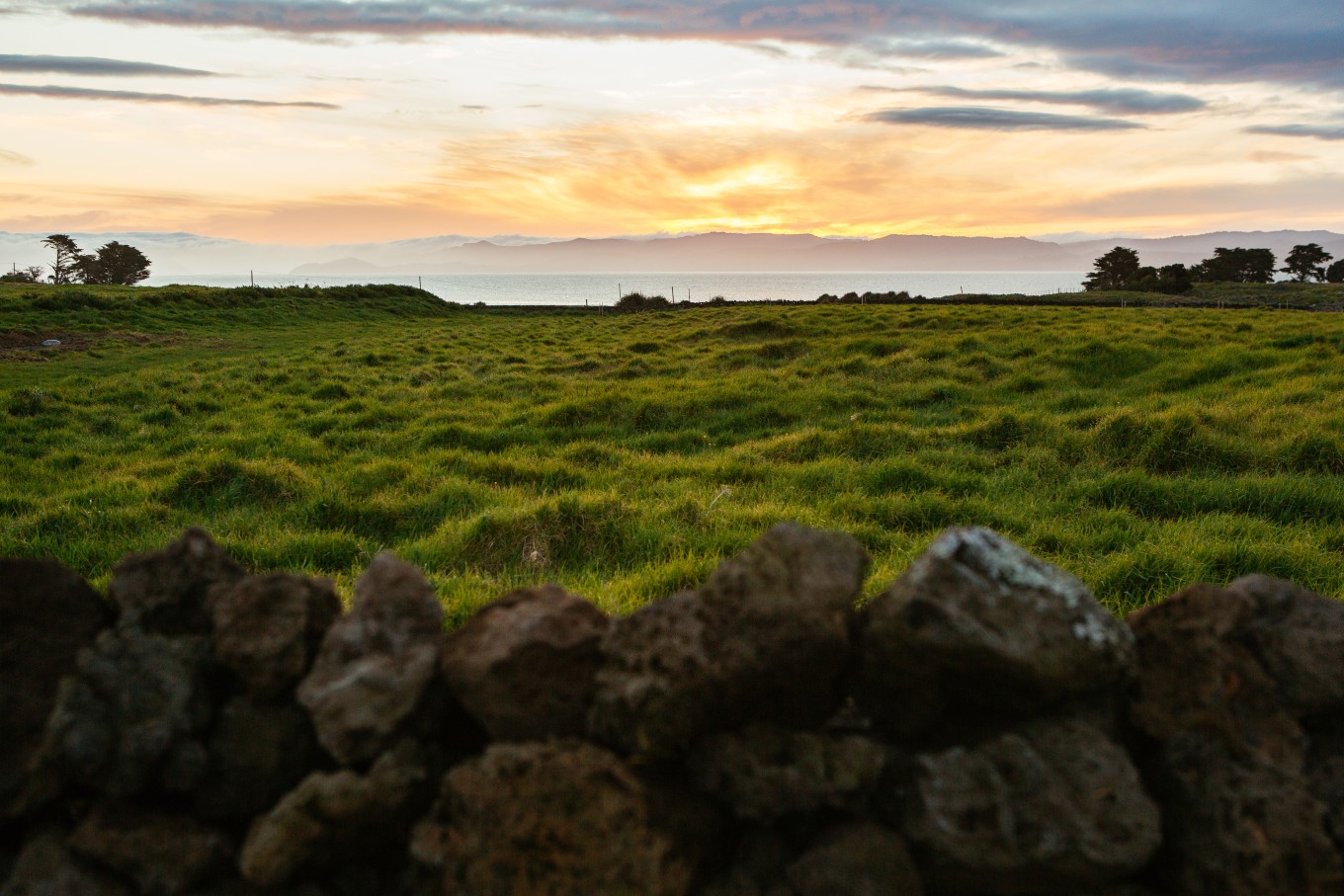
Come visit the Ōtuataua Stonefields, which not only is a beautiful natural reserve representing Auckland's unique ecosystem but a culturally significant site to mana whenua since the early days when iwi settled in the area.
If you’re looking for some of the best-preserved remains of early Māori settlement in Tāmaki Makaurau, head to Ōtuataua Stonefields Historic Reserve.
Radio-carbon dating of shell middens (old household rubbish dumps) on neighbouring Puketutu Island date back 800 years, making it one of the earliest places that humans lived in in Aotearoa.
Stonework and earthwork structures are found across the reserve, showing how Māori lived and gardened and, later, how European settlers further shaped the rocky landscape by building stonewalls and sowing exotic trees.
While the entire reserve spreads across 100 hectares, there are three compact walks that can be done separately or combined to give a full picture of the botanical, geological and historical features.
But remember – this area is wāhi tāpu (a sacred place) to descendants of Te Wai-o-Hua and Waikato iwi of Tainui, so be respectful when visiting, taking care not to eat on the reserve (you can drink water) or walk atop the remains of the Puketaapapa volcano.
Symonds Street Cemetery kids’ walk
You might find a cemetery a surprising suggestion for some family fun, but this walk is truly a special journey of discovery for children and adults alike.
One of oldest urban cemeteries in Aotearoa, Symonds Street Cemetery is the final resting place for many of New Zealand’s early European settlers and prominent early Aucklanders (like William Hobson, New Zealand’s first governor) and you can discover some of their fascinating stories through exploring the cemetery.
Before you set off, make sure you so that your tamariki can complete a fun quest. But a walk around the cemetery is more than simply looking at headstones. Take in native flora and fauna and other peculiar features which you may otherwise overlook, including the recently restored Symonds Street heritage toilets.