


Across Hibiscus and Bays, locals are stepping up for nature. With support from the Hibiscus and Bays Local Board, community groups, schools and volunteers are helping protect native wildlife.
1. A living classroom
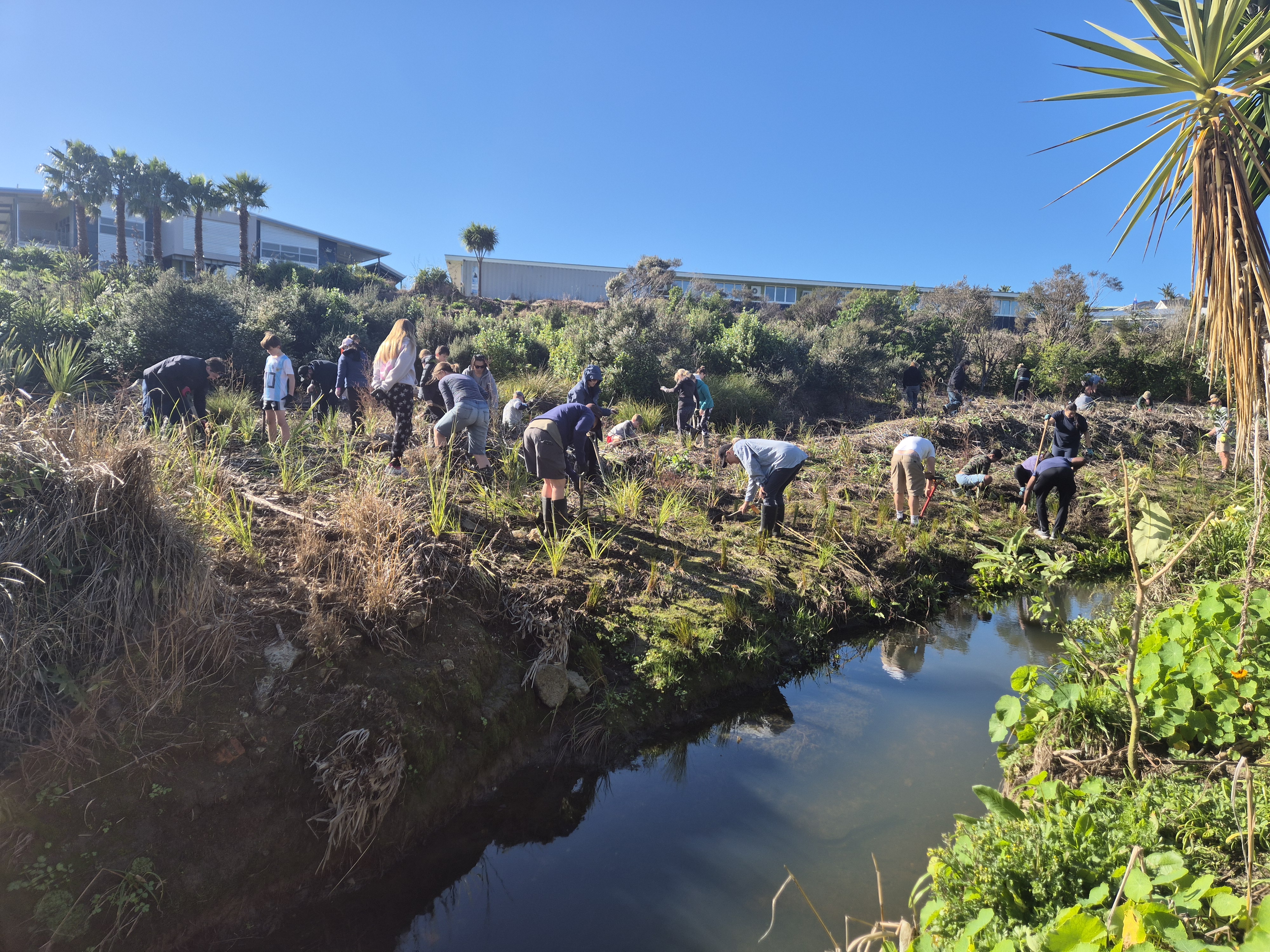
Stanmore Bay Wetland is a special place where the community comes together to care for nature and learn about the environment. Local students, volunteers and community groups help restore native plants, improve water quality and create habitat for birds, insects and aquatic life.
Planting days and working bees give everyone hands-on experience, turning the wetland into a living classroom where students and adults can learn about nature up close. Everyone is welcome at the working bees, held on the first Sunday of every month.
Restore Hibiscus and Bays Senior Restoration Advisor Deborah Colson says, “It’s amazing to see the changes and know that what we plant today helps wildlife and teaches future generations how to care for our environment.”
2. Youth conservation in action
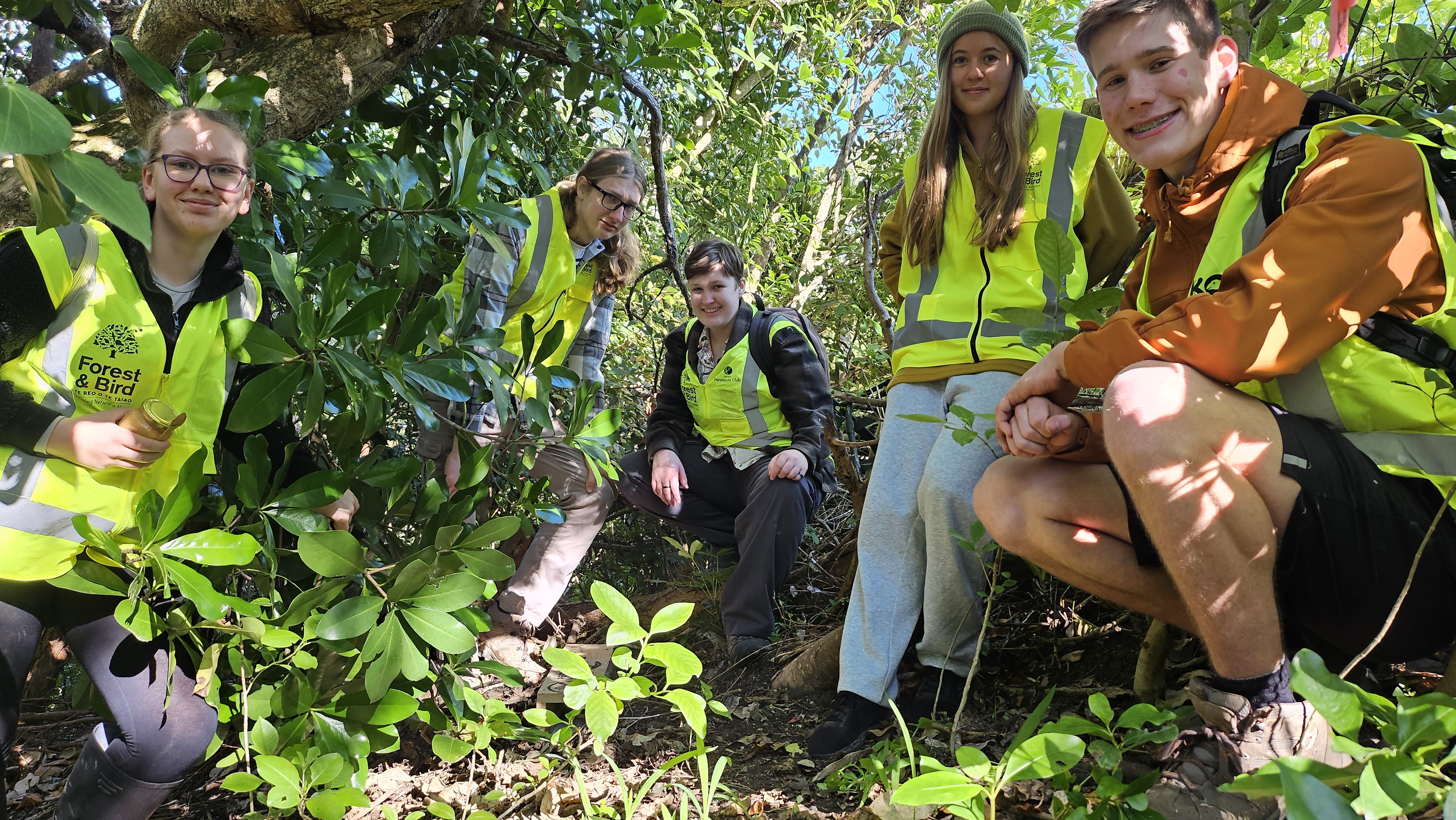
Rangatahi Rangers is a youth group for 14–20-year-olds wanting hands-on experience caring for nature on the Hibiscus Coast.
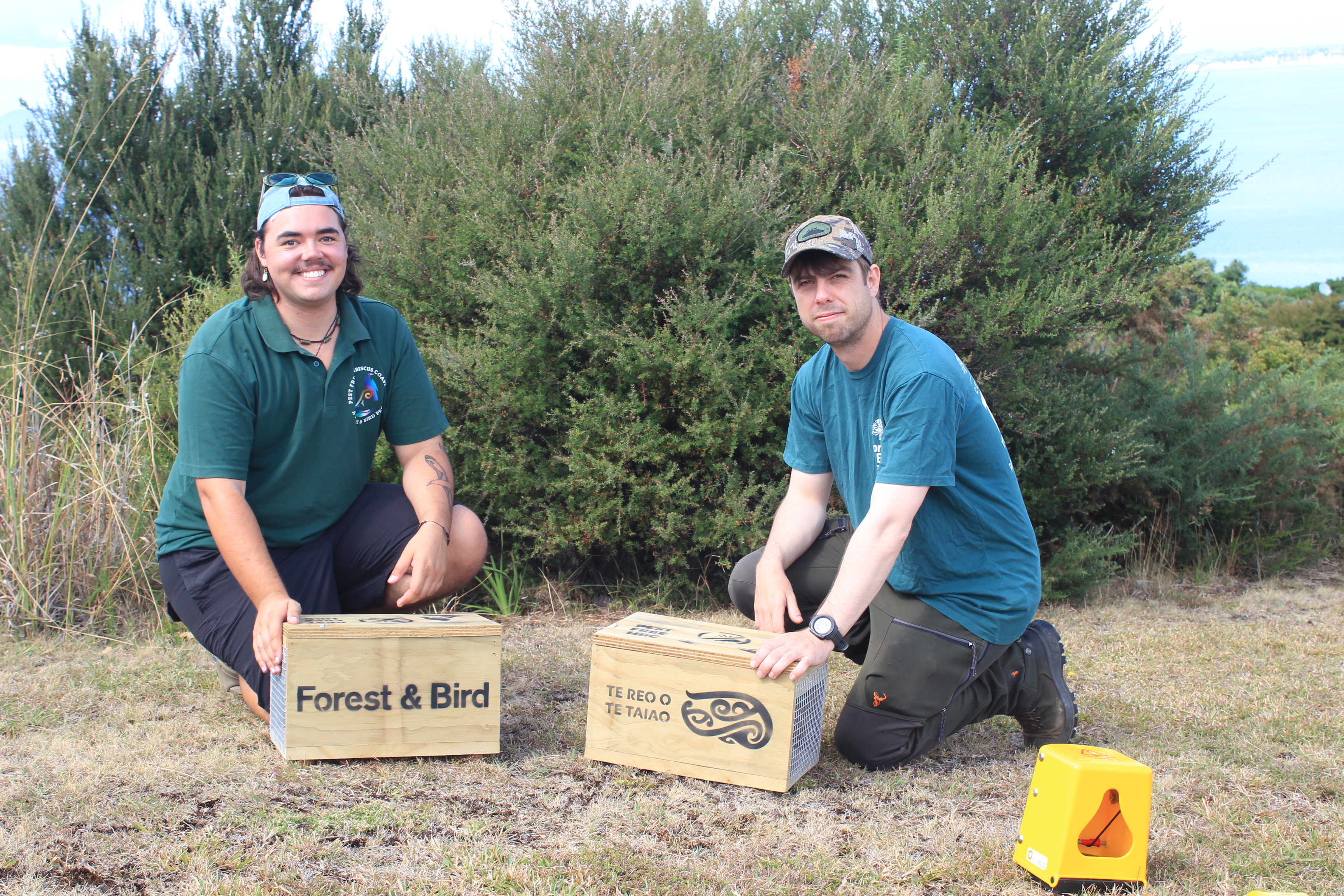
Forest & Bird’s Pest Free Hibiscus Coast project helps young people learn how to monitor wildlife and learn practical conservation skills such as pest animal monitoring and predator control.
Forest & Bird's Community Activator Charlie Thomas makes conservation fun and helps young people connect with nature and each other.
“Rangatahi Rangers provides opportunities for young people to get out in nature, learn new skills and make friends while helping the environment,” he says.
Across the local board area, twenty-two schools, preschools and youth groups are taking part in conservation activities, restoring local parks through native planting, weed removal and pest tracking.
3. Bringing streams back to life
Locals are working together to restore streams across the local board area.
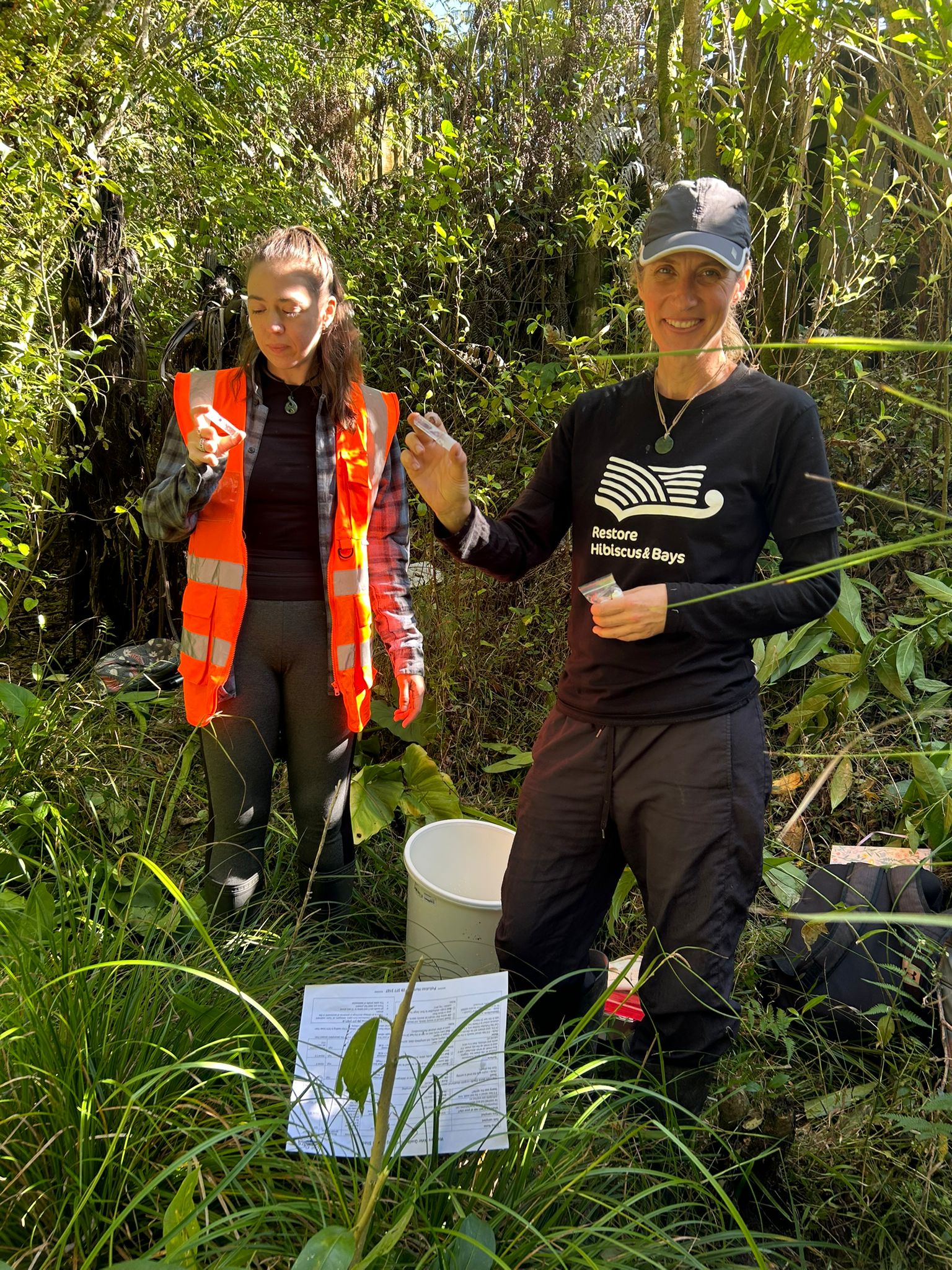
With support from the Auckland Council Healthy Waters team and Restore Hibiscus & Bays, locals are planting native plants, removing weeds and helping keep waterways cleaner as they flow into the Hauraki Gulf.
Native planting helps stabilise stream banks, creates better habitats for birds, insects and fish and helps keep the stream resilient to increased rainfall.
Resident Sue says working in the Rothesay Bay Creek which runs along their property before it flows out the beach is really rewarding, and the support they have received has been invaluable.
“Clearing debris and plants from the middle of the creek has allowed water to flow smoothly. We have seen at least three eels swimming around.
“It has been lovely to see other neighbours joining in on their part of the creek. Obviously not everyone can do the work, but people are genuinely interested in what is being done.”
4. Backyard traps help birds
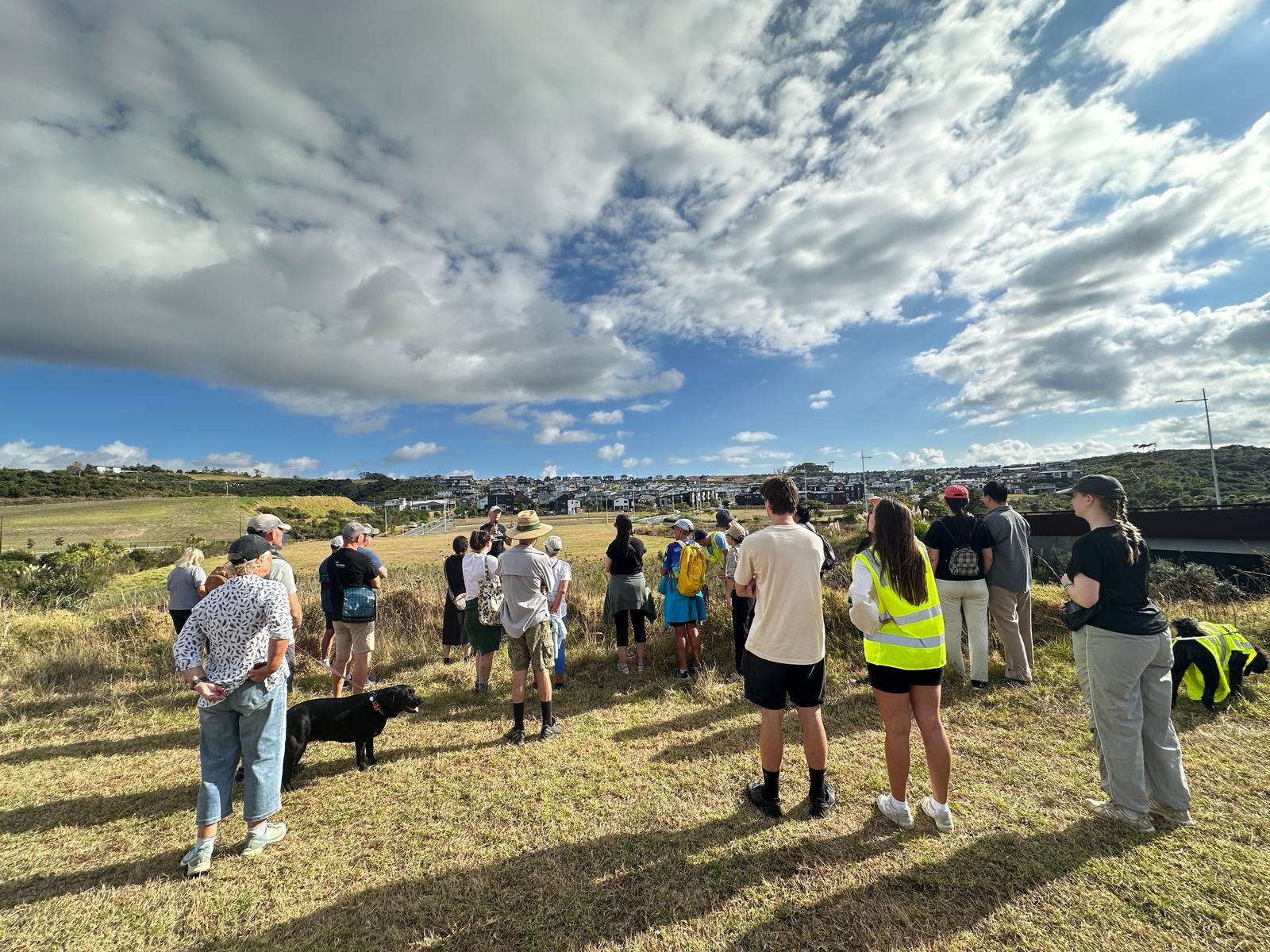
The Long Bay Predator Halo project helps protect native birds and bush by encouraging residents to set up traps in their backyards.
Rats, mice, possums and mustelids are caught before they reach Long Bay Regional Park and Long Bay Marine Reserve, creating a protective halo around these special areas.
The project is run by the Long Bay Residents’ Association in partnership with Restore Hibiscus & Bays with support from Predator Free New Zealand, who provide free traps and guidance. Already, more than 90 pests have been caught, showing that community effort is making a real difference.
Chair of the Long Bay Residents Association Gareth Roberts, "Reducing rats and other predators is hugely beneficial to our native environment and protects our properties, while also strengthening our community as locals connect to improve Long Bay."
5. Get involved
Want to help wildlife in Hibiscus and Bays? There are plenty of ways to take part:
- Stanmore Bay Wetland restoration. Volunteer at planting days and working bees. Contact: Restore Hibiscus & Bays – restorehb@gmail.com
- Rangatahi Rangers youth group. For young people aged 14–25 interested in conservation activities, email pfhc@forestandbird.org.nz
- Enviroschools. Whangaparāoa College has been an active Enviroschool since early 2023. Join Enviroschools, where students are empowered to lead sustainability projects. Contact: sustainableschools@aucklandcouncil.govt.nz
- Stream restoration projects. Join local planting days and stream clean-ups. Contact: Restore Hibiscus & Bays – www.restorehb.org.nz
- Long Bay Predator Halo project. Set up a backyard trap and help protect native birds. Contact: Long Bay Residents’ Association – www.longbay.nz
- Restore Hibiscus & Bays is an initiative dedicated to empowering the community to restore their local environment and native wildlife.
- The Pest Free Hibiscus Coast Project supports local schools with conservation education and predator control. Email: pfhc@forestandbird.org.nz
Stay up to date
Sign up for your Local Board E-news and get the latest news and events direct to your inbox each month. Or follow us on Facebook.