


As the air turns crisp and the leaves begin their transformation, there’s no better time to ‘branch out’ and explore the incredible urban forests right in our own backyard.
We’re spoilt for choice here in Tāmaki Makaurau, so grab your walking shoes and a warm jacket, bring a friend or your whānau and enjoy a hike on some of the city’s finest trails this autumn.
North Shore
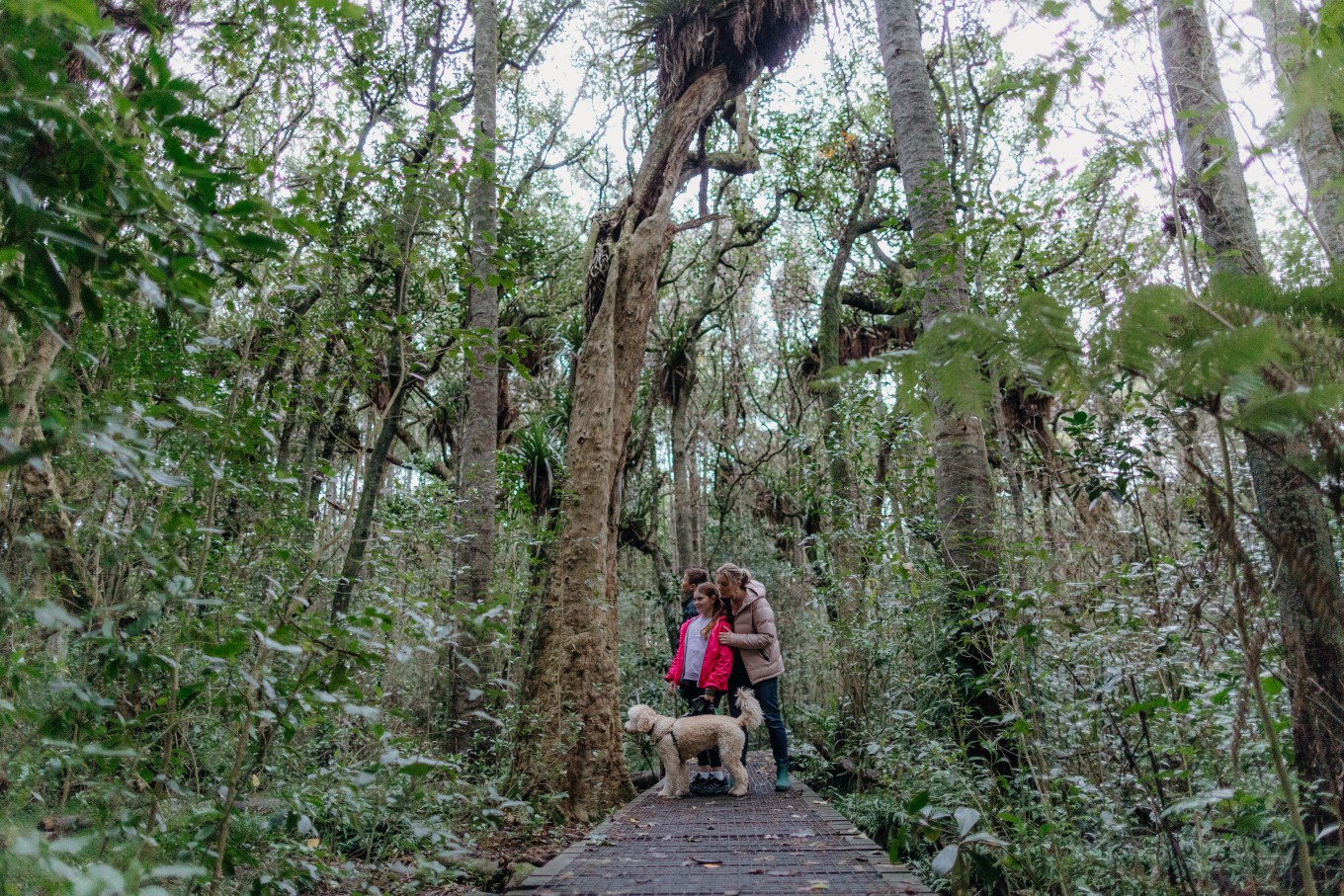
Take a moment this autumn to stroll through the native beauty of Smiths Bush Reserve.
A step back in time and a walk among giants (25 minutes)
If you’re looking for a major dose of ancient history, Smiths Bush Scenic Reserve in Northcote is a must-visit. Discover some of the oldest remnant bush on the North Shore and experience a true nature therapy as you wander among giant pūriri, kahikatea and tōtara trees.
This is an easy-going walk, mostly on raised boardwalks with seating spread throughout, making it a proper spot for a peaceful autumn stroll and impromptu picnic.
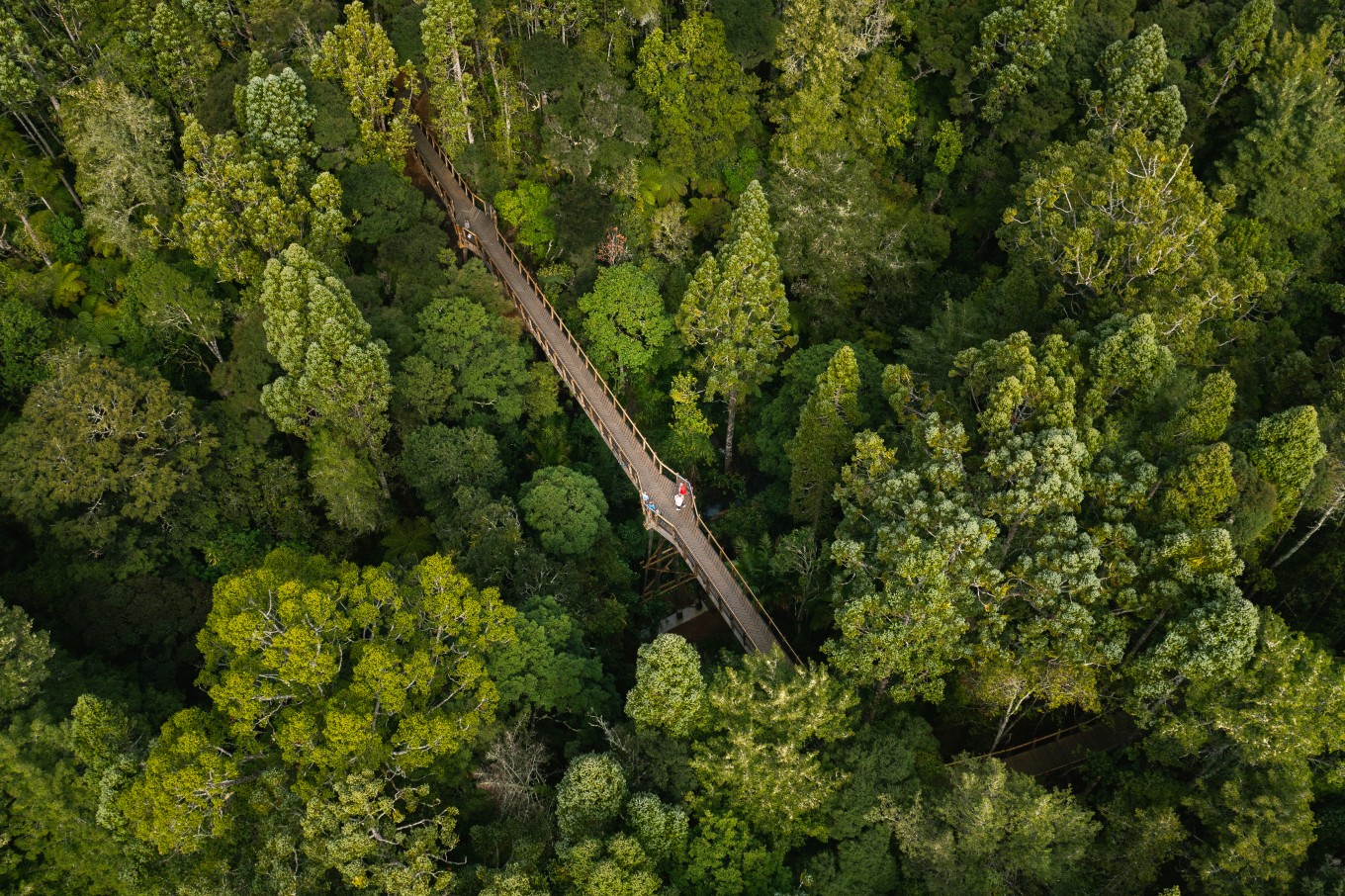
The bridge path at Kauri Glen invites you into a peaceful forest escape, right in the city.
A birds’ eye view (20 minutes)
Ever wanted to walk among the treetops? Kauri Glen Reserve features a spectacular 60-metre boardwalk pinned 18 metres above the ground. It offers a stunning perspective of 400-year-old kauri and tānekaha trees, and the birdlife that nestles in them, while keeping their roots safe from dieback disease.
Be sure to use the cleaning stations when provided, remember while it’s a small step for us, it makes a huge different for our forest giants.
Eastern Suburbs
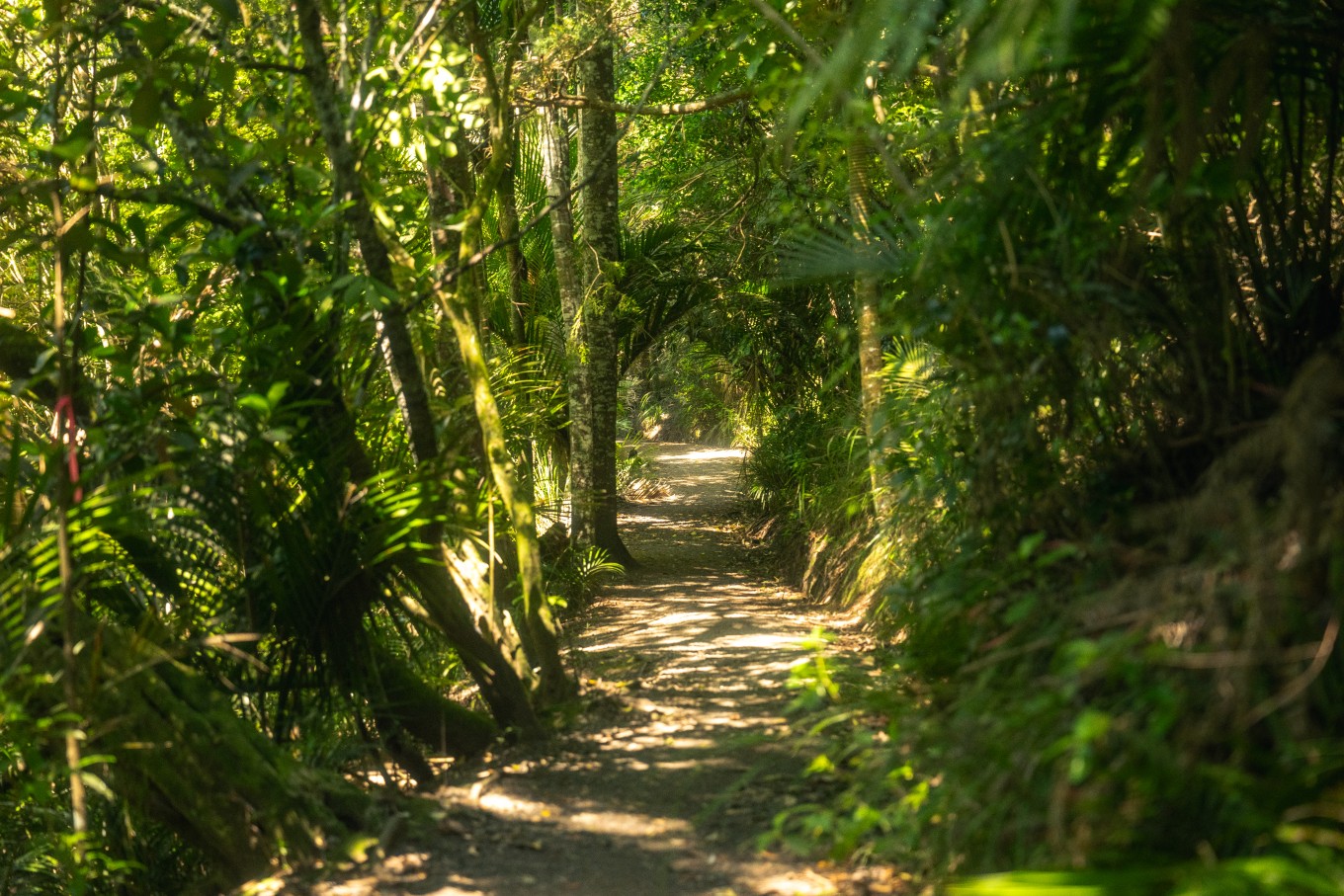
Tucked away in the suburb, Dingle Dell Reserve offers a shady walk through regenerated native bush.
St Heliers’ hidden secret (40 minutes)
Tucked away in a quiet residential area, Dingle Dell Reserve is the perfect ‘peace’ of paradise. With a fantastic network of paths and a vibrant chorus of birdlife, it’s the perfect spot for a family picnic under a canopy of native trees. While the regenerating bush and streams are beautiful by day, the real adventure begins at night – bring the whānau, along with a torch, to try and spot the local glowworms. As you explore the area, you’ll note the restricted access to the only kauri tree in the reserve - please ensure to steer clear of this section as we leave the kauri to thrive.
A brief, green escape (20 minutes)
Nestled between the houses of Meadowbank and St Johns is a dense, leafy escape for those seeking a quick recharge through native bush.
For the nature lovers, you’ll appreciate the variety of plants along the way with over 160 species to enjoy, including a kauri tree which is also on restricted access, so be mindful of the signage in the area. For the bird aficionados, did you know this is a common stopover for the North Island kākā (native parrot) on its way to the Whangaparāoa Peninsula in the north? This is also a perfect stroll to bring tamariki along on, to discover the range of critters that live here, like New Zealand’s native giant centipede!

The Kepa Bush pathway takes you through rich native forest, alive with birdsong and filtered light.
Glow-worms and history (40 minutes)
Overlooking the Ōrākei Basin, Kepa Bush is a 13.6 hectare pocket of serenity. It comes alive with birdlife during the day, and if you visit the gully near the main entrance at night, you might just see some glowworms. The reserve here is named after the memory of Te Rangihiwinui Kepa (Major Kemp) and offers a peaceful space to take a moment and reflect on the region’s history.
With these urban walks to choose from, you don’t have to travel far to find adventure in nature or a moment of calm. Whether you’re hunting for glowworms or the perfect stroll, Auckland’s local trails are ready and waiting this autumn.
Helpful tips to remember as we work together to protect kauri trees and prevent the spread of kauri dieback.
- Clean your footwear, tyres and equipment before and after visiting our kauri forests. If you are walking your dog, you should also make sure you clean their paws.
- Use cleaning stations every time you pass one while you are walking in a park.
- Stay on the tracks and keep off kauri roots.
- Stay away from closed tracks.
- Don't remove soil from, or bring soil into, areas with kauri trees.