
Auckland's water supplies in good shape heading into summer

Publish Date : 12 Aug 2026
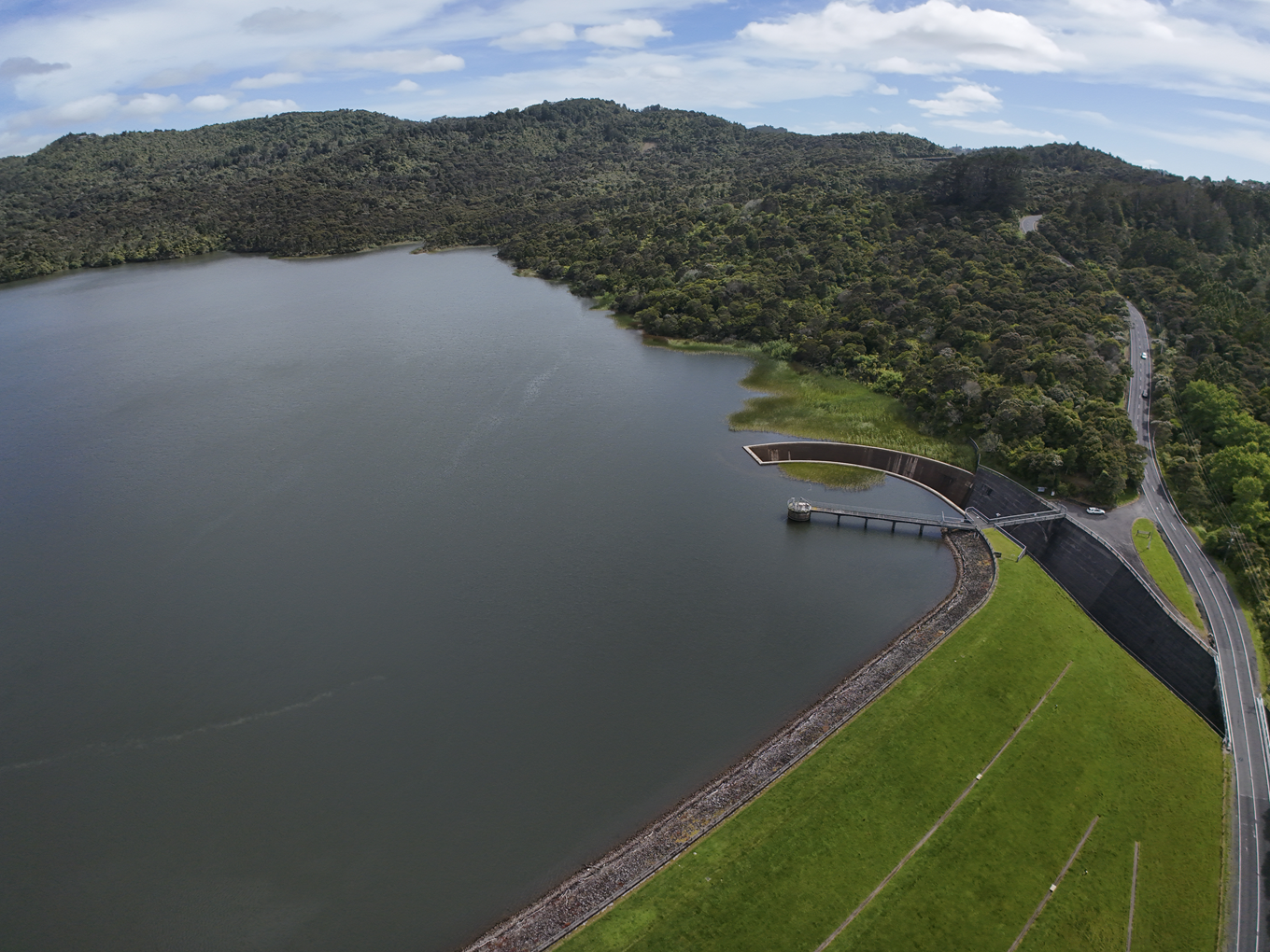
Watercare Lower Nihotupu Dam

Aucklanders can head into summer with confidence, with the region's water storage sitting well above average and water restrictions unlikely.

Auckland Council's Policy, Planning and Development Committee has approved Watercare's updated Drought Management Plan [1MB], which outlines how Auckland will prepare for and respond to extended dry periods.

The move comes as El NiƱo is expected to bring drier-than-normal conditions to Auckland over spring and summer.

At a glance

  • Auckland's water storage is currently 94 per cent full.
  • Storage levels are almost 10 per cent above the historical average for this time of year.
  • Water restrictions are unlikely this summer.
  • Auckland uses about 440 million litres of water a day on average.
  • Demand can rise by up to 100 million litres on hot, dry days.

Watercare Chief Operations Officer Mark Bourne says Auckland is in a strong position but residents can help by continuing to use water wisely.

"We actively monitor Auckland's dam levels, water demand and the weather to make sure we're in the best position to manage potential dry periods," Bourne says.

"Aucklanders have done a fantastic job adopting simple water-saving habits, and it makes a real difference. Our dams are almost full as we head into what is forecast to be a dry few months."

An aerial shot of a completly filled local dam.


Daily water demand reached 568 million litres during the 2020 drought. Over the past five years, average daily demand has been around 440 million litres.

Councillor Richard Hills says the city's strong water position is reassuring, but Aucklanders should continue to be mindful of water use.

"Dams may be in a strong position, our leak levels are low, but we must keep being water wise as we know with climate change conditions can change quickly. Small everyday choices can help reduce pressure on the network and keep Auckland well placed for any future drought."

Planning ahead

Watercare reviews its Drought Management Plan every two years, or after a drought event. The plan sets out the trigger levels for introducing, easing or removing water restrictions, and includes a drought preparedness stage to help communities prepare if dry conditions persist.

Top water-saving tips

  • Keep showers to four minutes or less.
  • Use a trigger nozzle on garden hoses.
  • Water gardens early in the morning or at dusk.
  • Use water pistols, reusable water balloons or a paddling pool instead of a sprinkler.
  • Check your home for leaks.
Back to News