


Respect for food is something many Kiwi-Indian households grow up with – use what you need, don’t waste, and value what comes from the earth. In Auckland, that mindset is helping more families embrace the food scraps collection service as part of everyday life.
For Jai Singh, who works with the Aotearoa Sustainability Grid (ASG) and was closely involved with South Asian communities during the introduction of the service, the work quickly became about more than explaining another council bin.
“I believe in the Sanskrit saying: ‘The Earth is my Mother and I am her son,’ This work is not just about a bin. It’s about confidence, inclusion and belonging,” says Jai.
Learning something new, in a new place
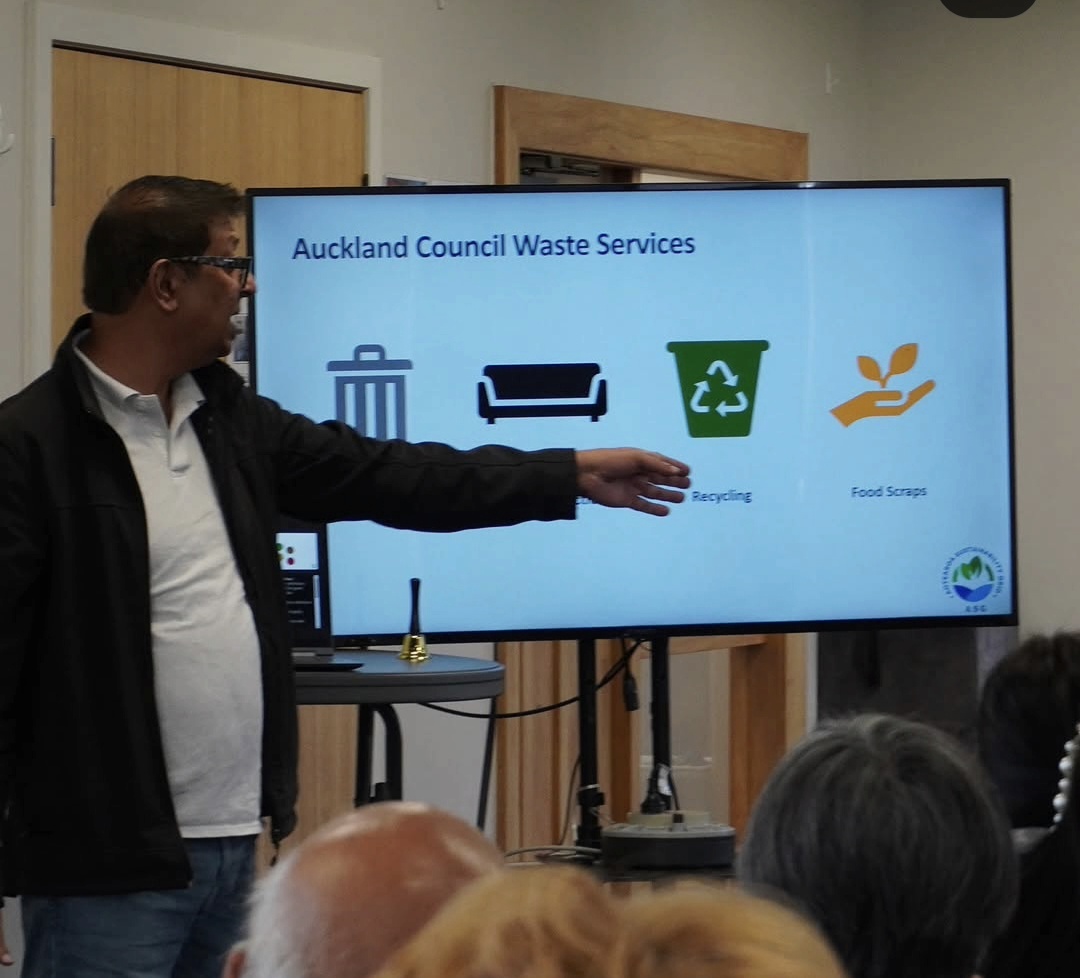
Jai Singh helping his community become smarter with food scraps.
Moving to a new country comes with a long list of things to learn: schools, transport, housing, recycling, and food scraps.
“No one really sits down with new migrant families and explains how waste works here. People bring habits from places where the system is completely different.”
What he found was simple: most families weren’t unwilling; the issue was they hadn’t been shown how the system could fit into their everyday lives.
“People want to do the right thing. They just need information that feels clear and practical.”
That observation is backed up on the ground. When ASG community teams visited households, the majority were open to engaging with around 73% willing to have a conversation, and many simply needing clarity and reassurance to get started.
Connecting with values that already exist
Across South Asian cultures, one idea is widely shared: don’t waste food.
Khao piyo, magar zaya na karo — eat and drink, but don’t waste.
That value translates naturally to Auckland’s food scraps service. Collected scraps are sent to an anaerobic digestion plant, where they’re turned into renewable energy and liquid fertiliser.
“When people hear that food can go back and help create something useful again, it makes sense straight away,” Jai says.
It’s a simple idea - what comes from the earth can return to it.
“Food is not just a product. It carries effort, blessings and care. Even when it becomes scraps, we can still treat it responsibly.”
When things click at home
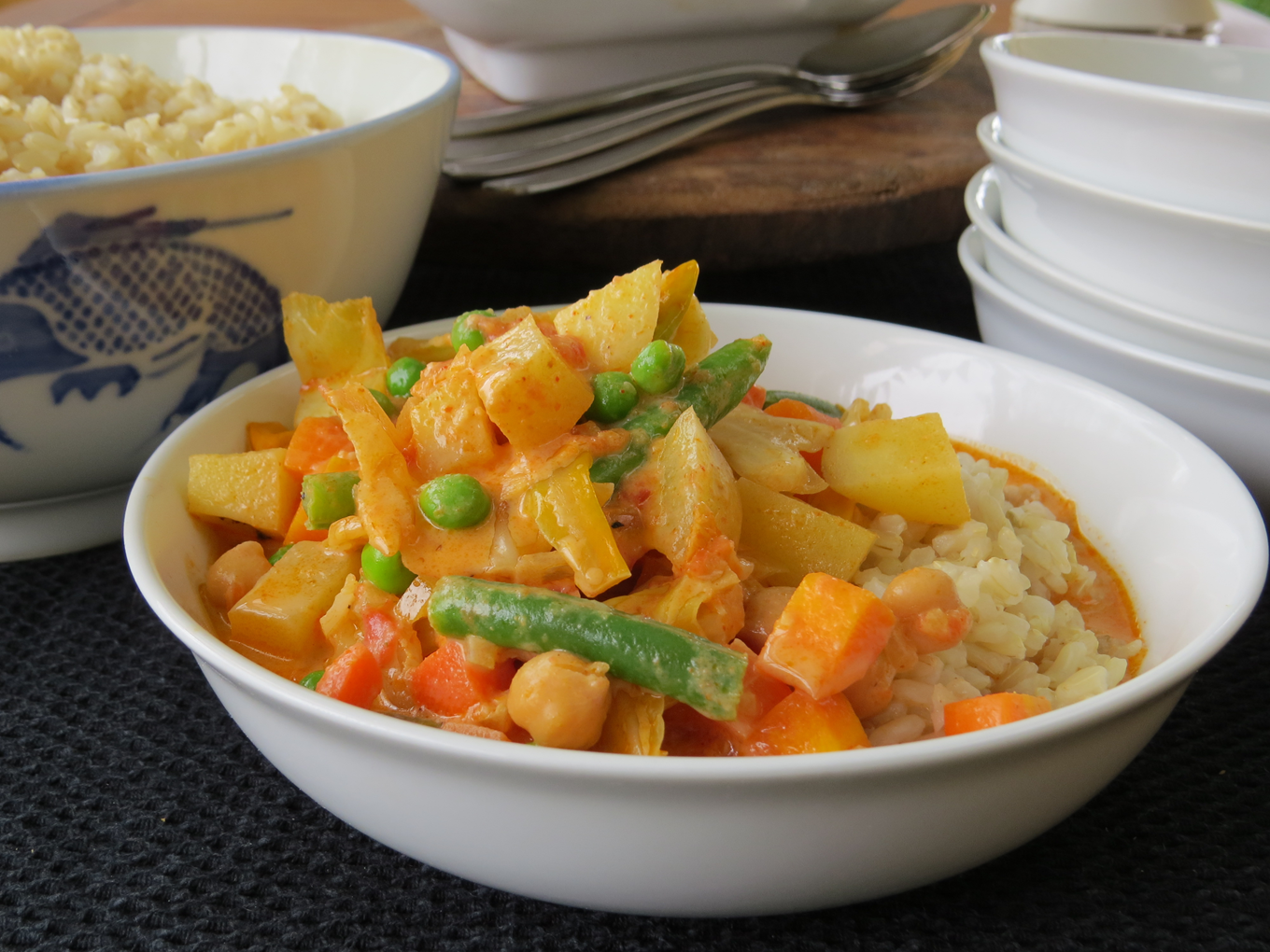
Often, it only takes one practical insight to change behaviour.
Jai remembers a family who already composted and didn’t see the point of the food scraps bin.
“But when we talked about meat and bones, they realised it filled a gap their compost couldn’t. Suddenly it became useful.”
This is a common pattern. Around one in five South Asian households already compost at home but may not realise the food scraps bin can work alongside it; especially for items compost systems can’t easily manage.
In another home, a bad first experience — smell, mess, broken liners — put the family off completely.
“They thought it meant more work,” Jai says.
Instead of focusing on environmental benefits, the conversation shifted to their daily routine, that is, where the caddy sat, how often it was emptied, and how everyone in the house used it.
“Once they made a few small changes, they saw that it actually made their main rubbish bin cleaner.”
Introducing simple habits like emptying the kitchen caddy regularly or freezing scraps if needed make it easy to stay on track.
A family decision, not an individual one
In many South Asian households, change doesn’t happen individually - it happens together.
Younger members may understand the system quickly, but elders often guide decisions.
“The person who knows isn’t always the person who decides,” Jai says.
In one case, connecting the message to Annam Brahma - food is sacred - helped bring the whole household onboard.
“Once people see it as part of the ‘three-bin system’ of rubbish, recycling and food scraps, it feels normal, not extra.”
Turning good intentions into habits
For many households, it’s not about willingness, it’s about building a simple routine.
“A lot of people say, ‘I’ll do it tomorrow’,” Jai says.
Research by ASG showed that many households point to simple challenges like forgetting, keeping the bin clean, or getting everyone in the home to use it consistently. In some cases, it’s as simple as not putting the bin out on time.
That’s why small prompts matter.
“Sometimes people just need a reminder at the right moment.”
A simple neighbourhood reminder led to a 16.6% increase in bins being put out after ASG put up signage in the street before collection day.
For many families, once the habit forms, the benefits are immediate: less smell, less waste, and a cleaner rubbish bin.
A small way to contribute
For many migrant families, this is about more than waste, it’s also about feeling part of the community.
Jai’s message to Kiwi-South-Asian households is straightforward:
“Don’t see the food scraps bin as a burden or just another rule. It’s a simple habit that helps us respect food, reduce waste, and care for Aotearoa.
“Food scraps are a resource from our kitchen that can be used for energy and fertiliser and help make more food.”
A simple step to get started
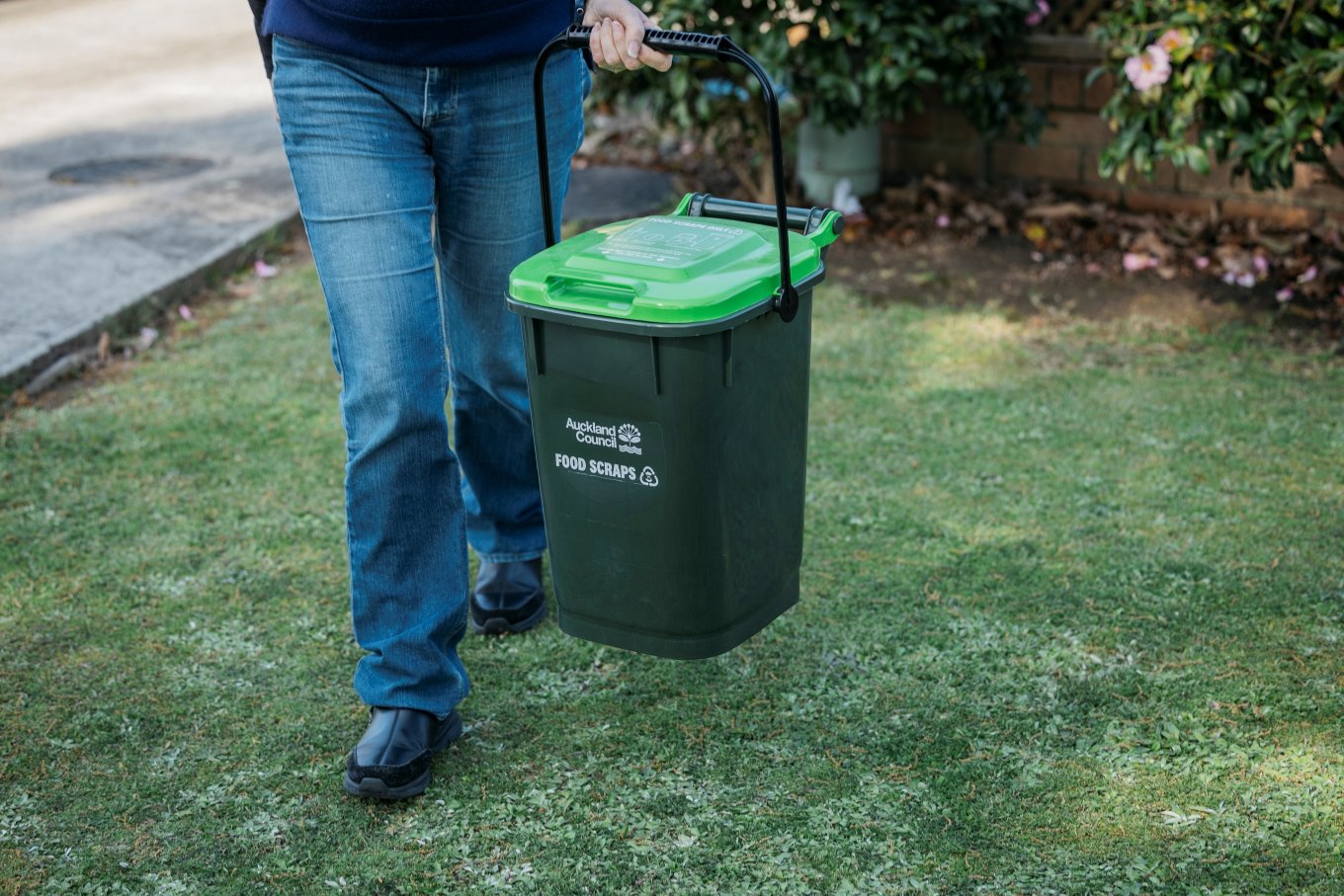
For anyone unsure about where to begin, the advice is straightforward:
- Use your kitchen caddy for everyday scraps
- Line it with Auckland Council pink bag liners or paper if needed
- Empty it regularly into your food scraps bin
- Put your bin out on collection day
“Start small and don’t stress about being perfect,” Jai says. “Once it becomes a habit, it’s easy.”
Visit the Auckland Council website for how to use your food scraps bin or a order a second bin free of charge.