


Longer days and warmer weather are coming. As Aucklanders get stuck into gardening, outdoor activities and spring cleaning, there are plenty of opportunities to reduce waste and give useful materials a second life. Here are five simple ways to get started.
1. Turn garden waste and food scraps into a resource
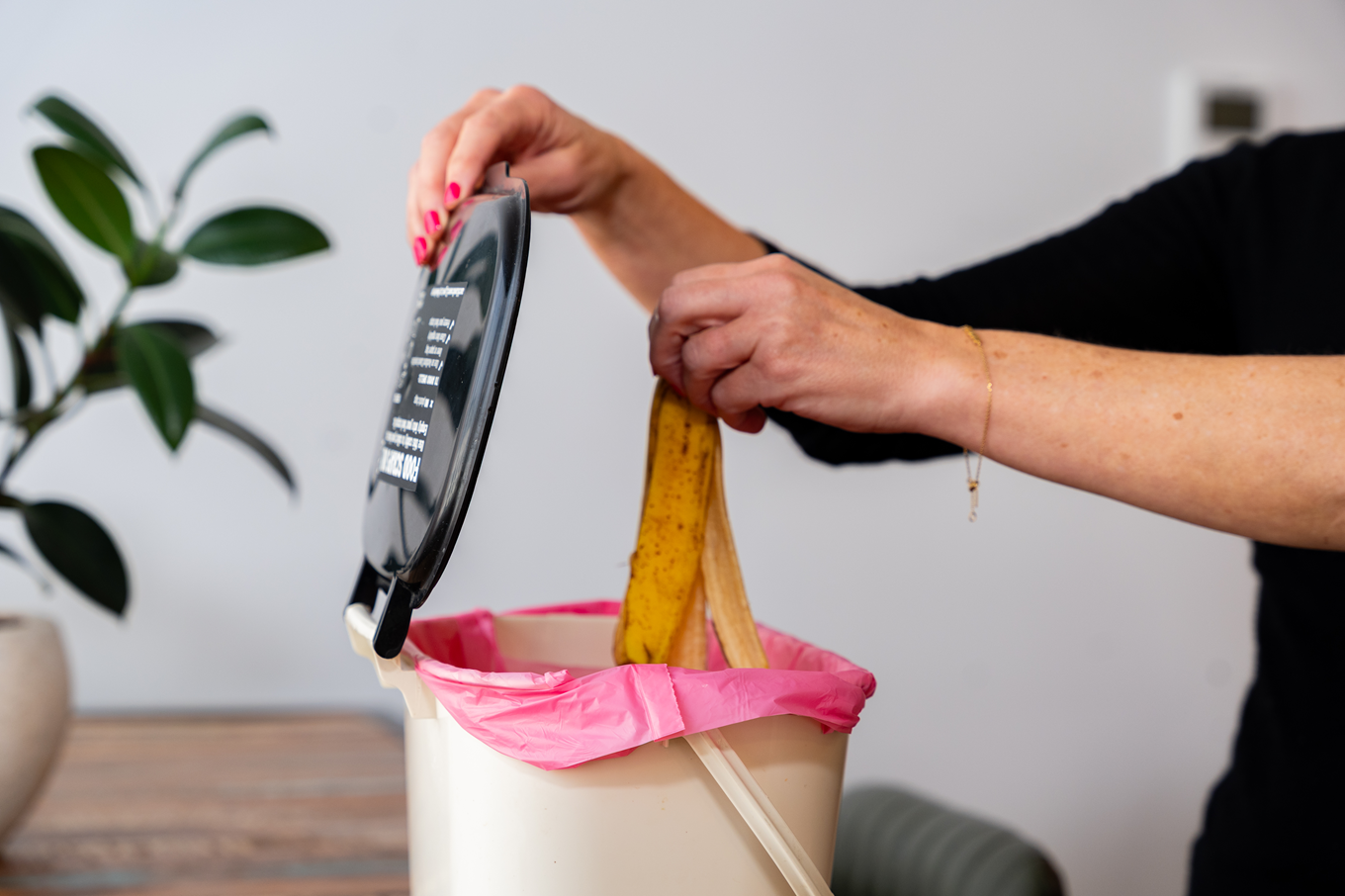
Don't forget to put your food scraps into your designated caddy bin and help do your put to make Tāmaki Makaurau waste free.
Spring gardening can create plenty of green waste, while home-grown fruit and vegetables can mean more food scraps in the kitchen.
Instead of sending food scraps to landfill, try home composting - it’s easier than you think, and for any leftover food that you can’t easily compost at home, use your council food scraps bin.
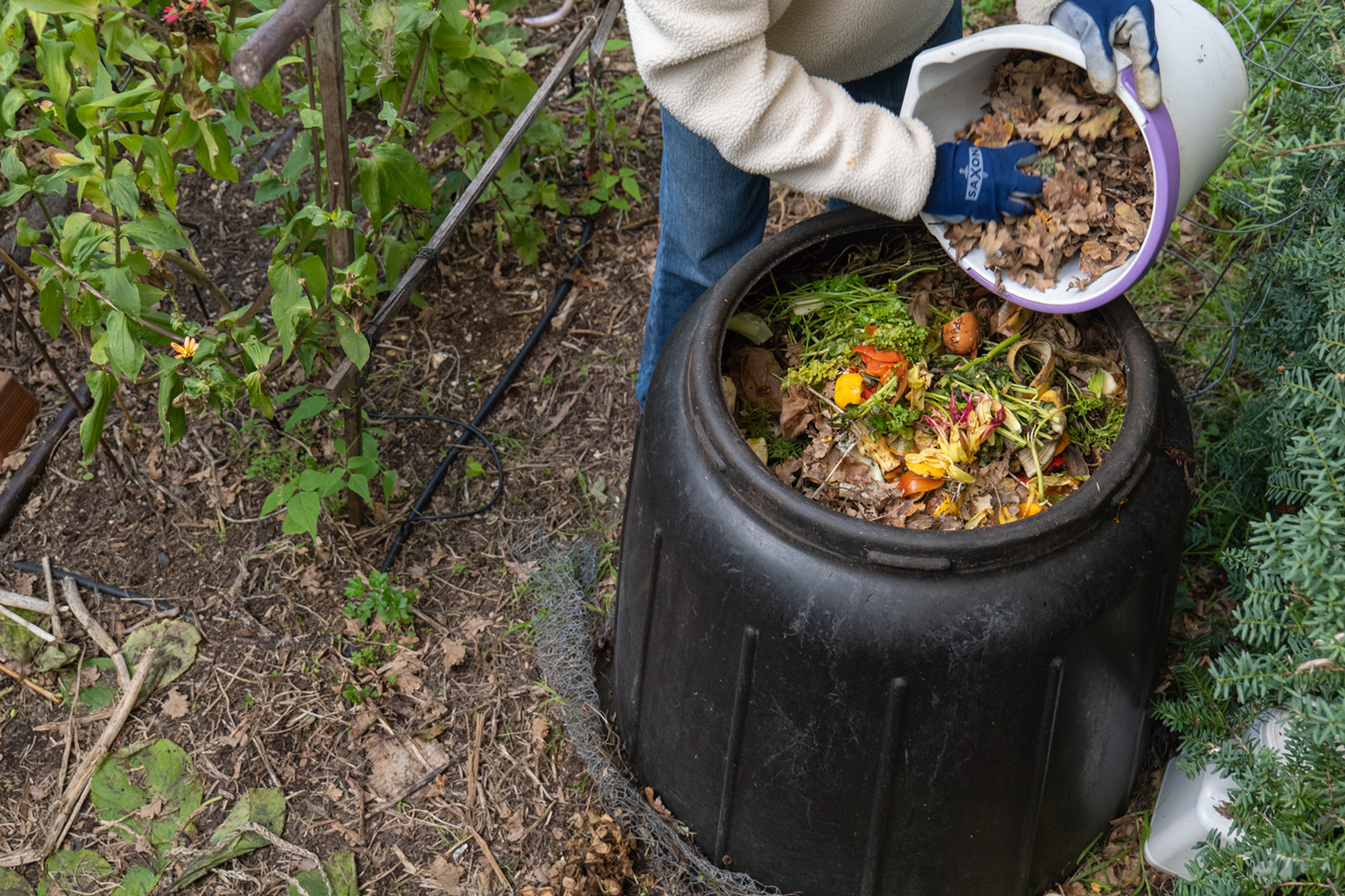
You can turn your food scraps into compost and make your home more eco-friendly.
Don't have a garden? You can still make a difference by using your food scraps bin. Auckland Council's food scraps collection service keeps food waste out of landfill and turns it into renewable energy and liquid fertiliser for local farms.
Need to get rid of fibrous green waste like bamboo or yucca trees? The Waitākere Resource Recovery Park ensures both fibrous and general green waste are recycled into mulch.
Garden waste can be turned into compost to help nourish future plants. Check out the Compost Collective to discover which composting system will suit you. And if you're looking for inspiration for your spring garden, Auckland Botanic Gardens offers seasonal advice on what to plant, prune and harvest in spring.
2. Reuse before you buy
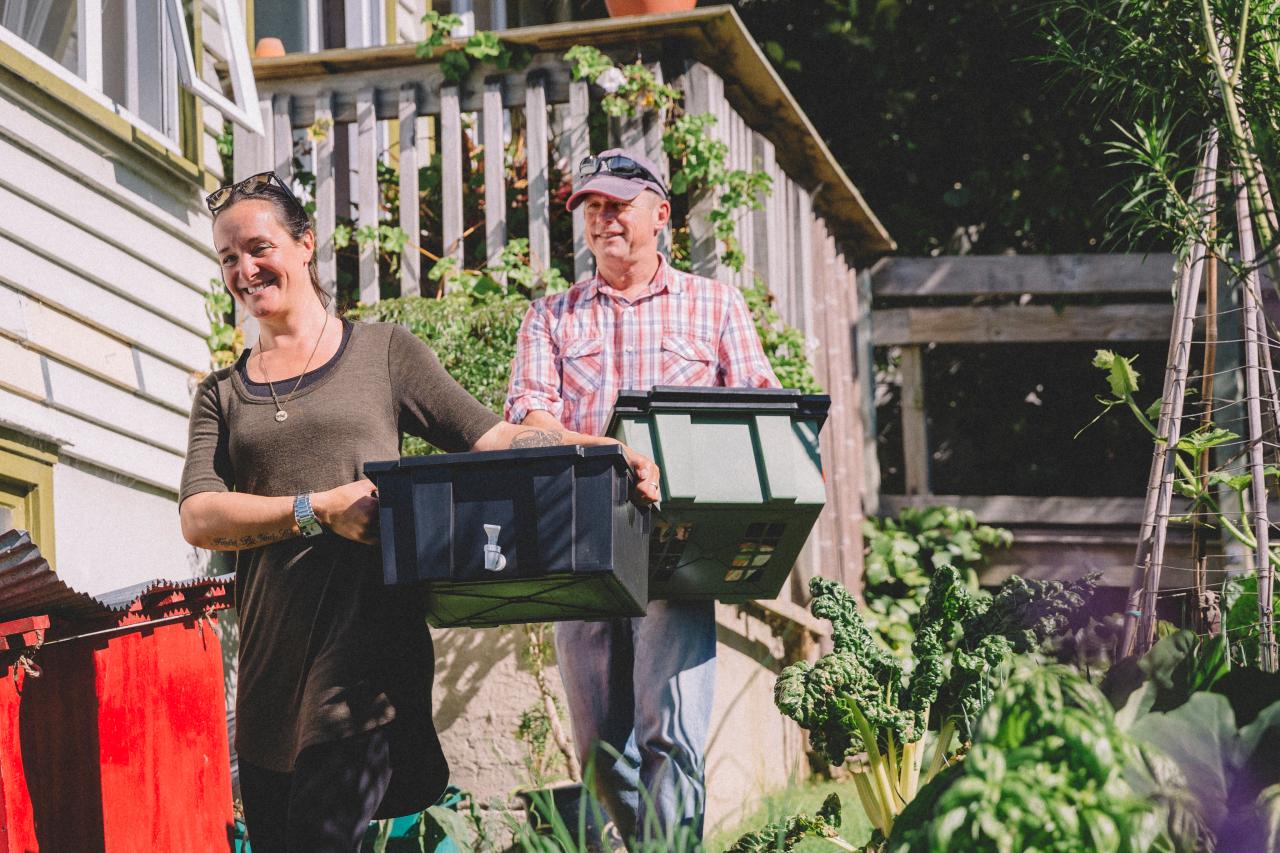
Old milk bottles, pots and other used household items are great to be reused as gardening items instead of going to landfill.
Before heading to the garden centre for supplies, take a look around the shed, garage or storage cupboard.
Old pots, seed trays, buckets and containers can often be reused for planting, propagation or storage. Reusing what you already have can save money and reduce waste. Many garden centres are also happy to take back clean pots.
If you're adding new plants to your garden, consider species that are native to your local area. Choosing plants that naturally belong in your neighbourhood helps support local wildlife, improves biodiversity and creates healthier ecosystems. Auckland Council's Plant for your Local Ecosystem Guide can help you choose the right plants for where you live.
Community nurseries across Auckland are a great source of affordable native plants, while also supporting local environmental projects. Just one example to check out is EcoMatters community nursery which has locally sourced plants from West Auckland.
3. Choose reusables for outdoor activities
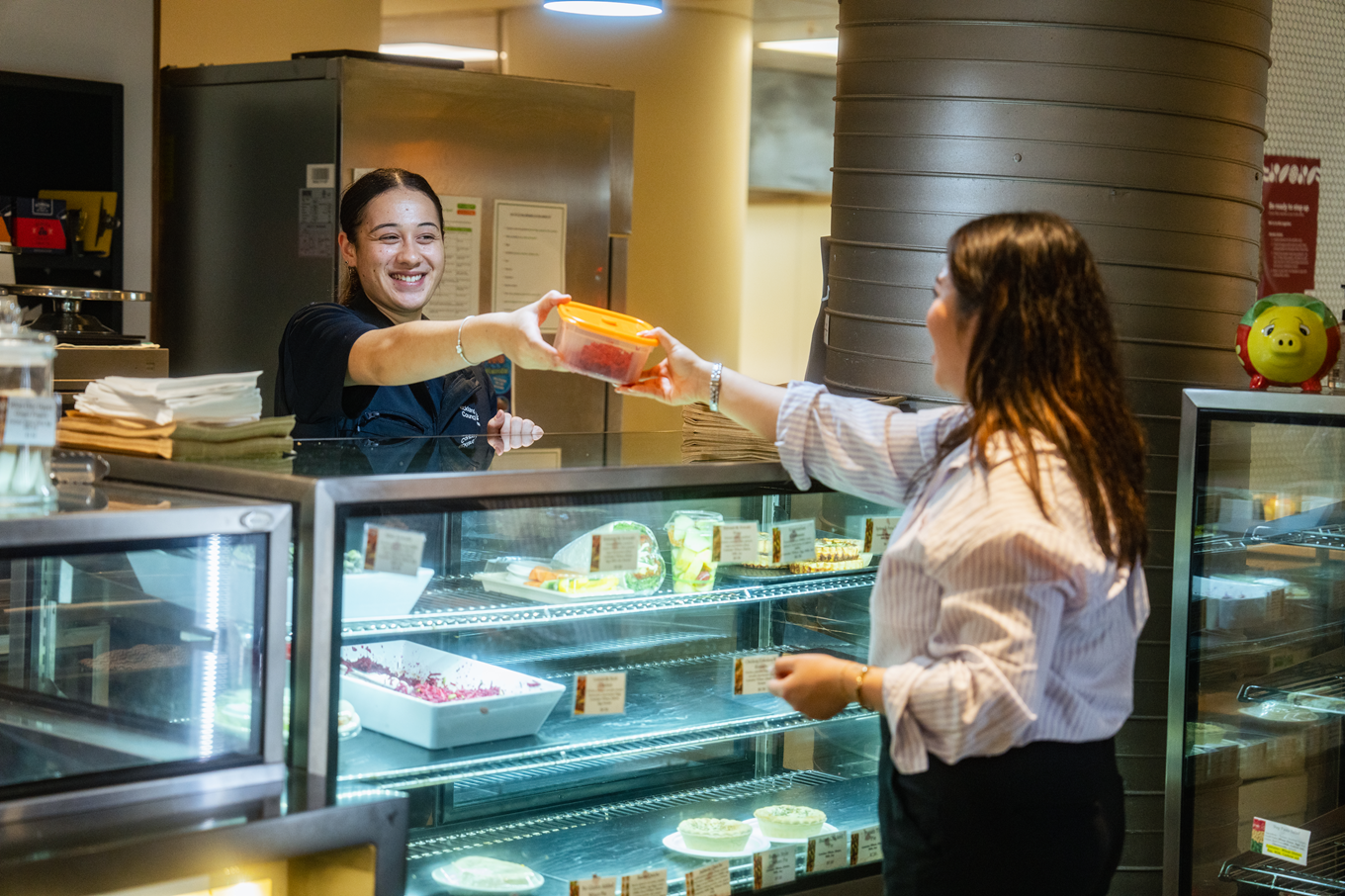
Visting a cafe, or heading to your local takeaways or bakery? Don't forget to take your container and save on having to pay or even require extra containers.
With spring comes sports, community events and afternoons in the park.
Packing a reusable drink bottle, coffee cup or food container is a simple way to cut down on single-use waste when you're out and about. A little planning can help reduce the amount of rubbish generated during busy weekends and family outings.
Reusable containers make it easy to store leftovers and reduce food waste. For ideas on how to use them up, visit the Love Food Hate Waste NZ website for seasonal recipes and tips.
4. Give unwanted items a second life
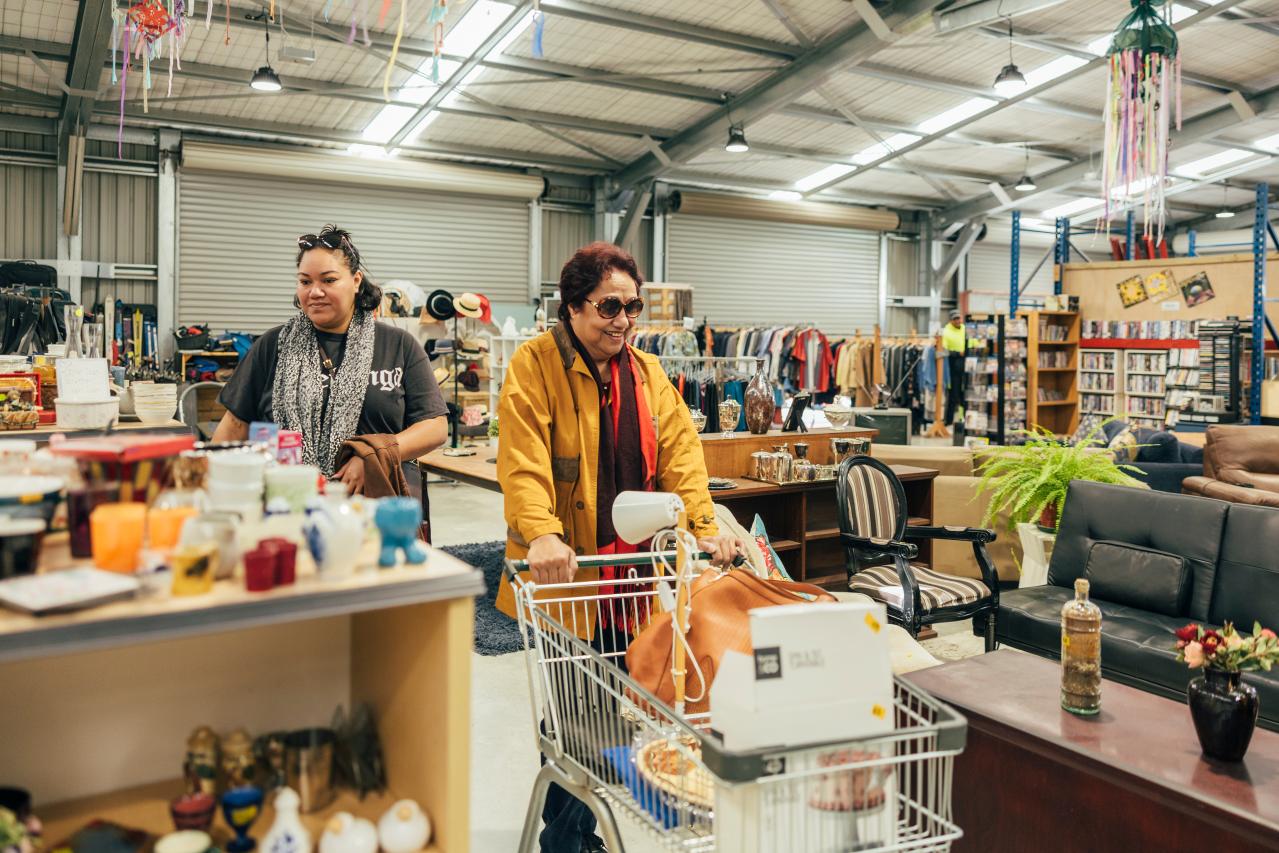
All kinds of second hand treasures can be found at your local community recycling centre.
Spring cleaning often uncovers items that are no longer needed but still have plenty of life left in them.
Before sending clothing, books, toys or household goods to landfill, consider donating, repairing, selling or swapping them. Passing items on to someone else helps keep useful resources in circulation for longer.
You can also visit your local community recycling centre to drop off unwanted items or book your annual inorganic collection in advance.
5. Brush up on your recycling knowledge
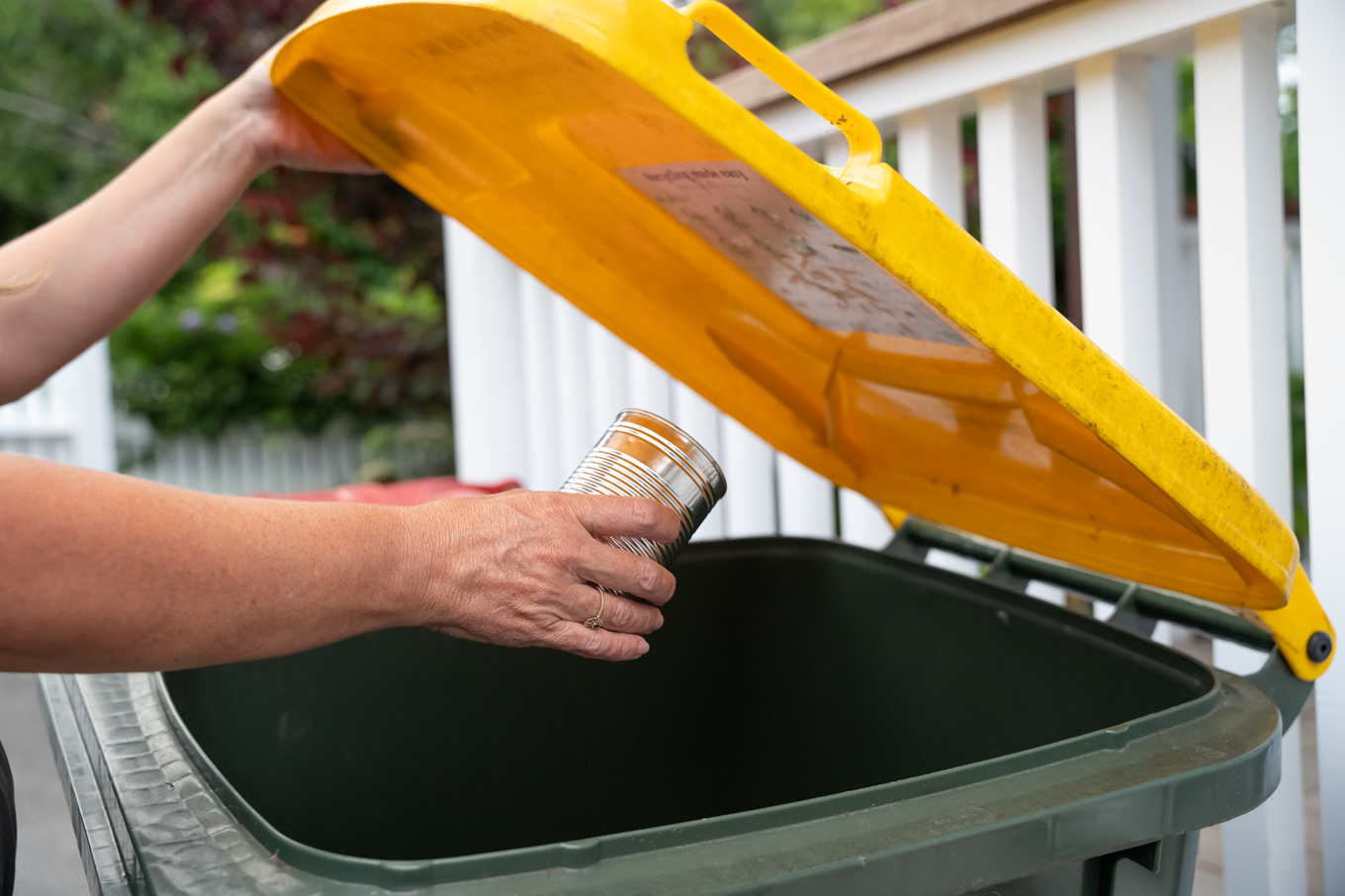
Make sure to put the right items in the recycling bin.
A few simple recycling habits can make a big difference.
Make sure recyclable items are empty, clean and placed loose in the recycling bin. Keeping non-recyclable items out of the bin helps reduce contamination and ensures more materials can be successfully recycled.
Not sure what goes where? Take a moment to read the recycling guide and then test your knowledge with the Recycle Right game.