


Across Rodney, volunteers, landowners, schools, and conservation groups are stepping up to protect native wildlife and restore local ecosystems. From pest control to planting days and educational programmes, these projects help nature thrive while connecting the community.
Supported by the Rodney Local Board, coordinators link volunteers, landowners, schools, and community groups to conservation projects across Rodney. Local board funding and resources enable initiatives that help communities work together to protect native wildlife, restore habitats and strengthen Rodney’s natural environment.
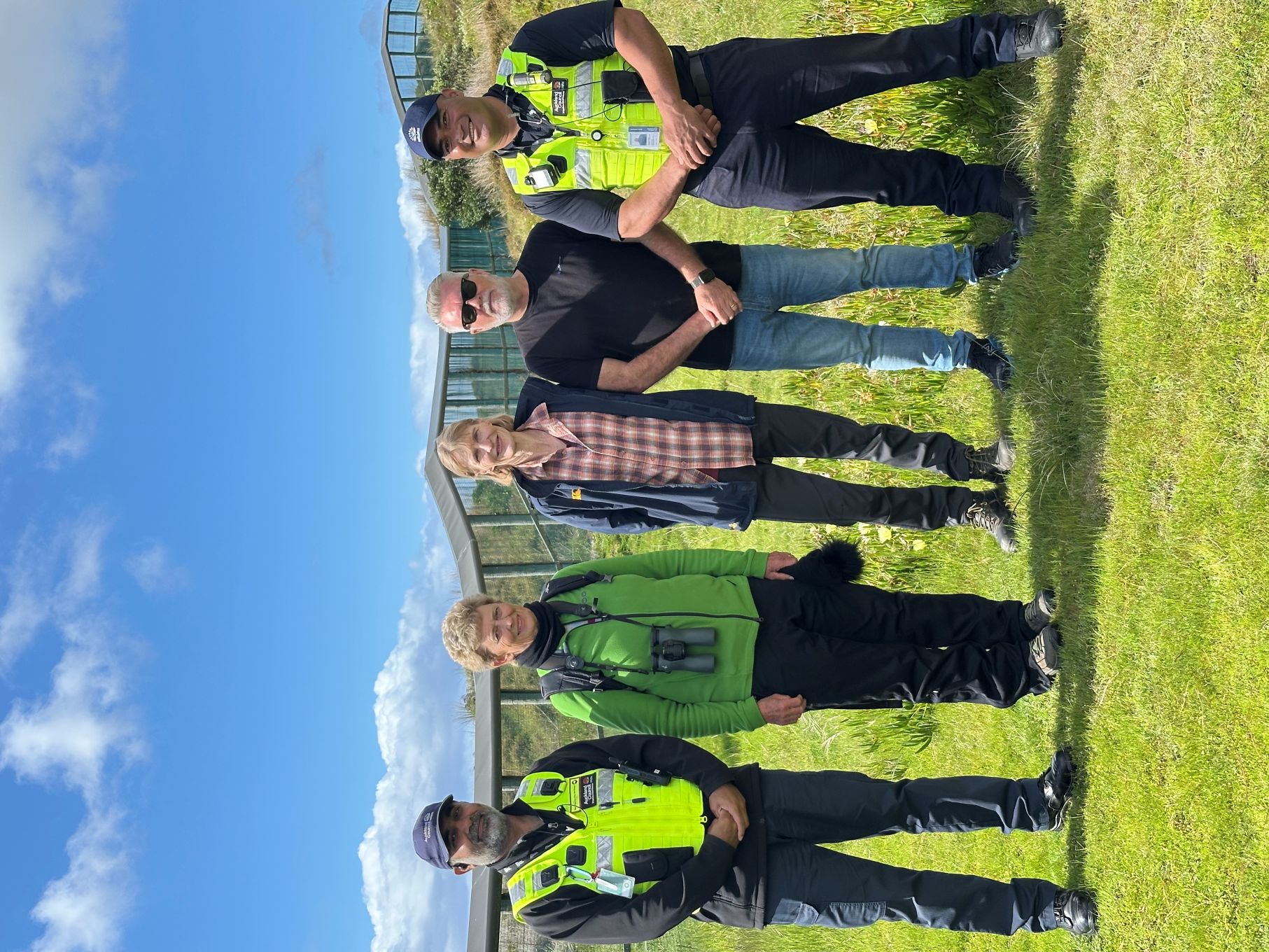
1. Compliance wardens protect local habitats
Compliance wardens keep Rodney parks and beaches safe from illegal dumping, pollution and other harmful activities. They encourage people to take responsibility for the environment through a combination of education and enforcement activities.
Wardens also run patrols at Omaha and Snells Beach, provide advice to beachgoers, dog walkers, and fishermen, and help educate the public about shorebird conservation. They meet with ecological groups and also removed an abandoned vehicle from the vulnerable ecosystem surrounding Manakapua Island.
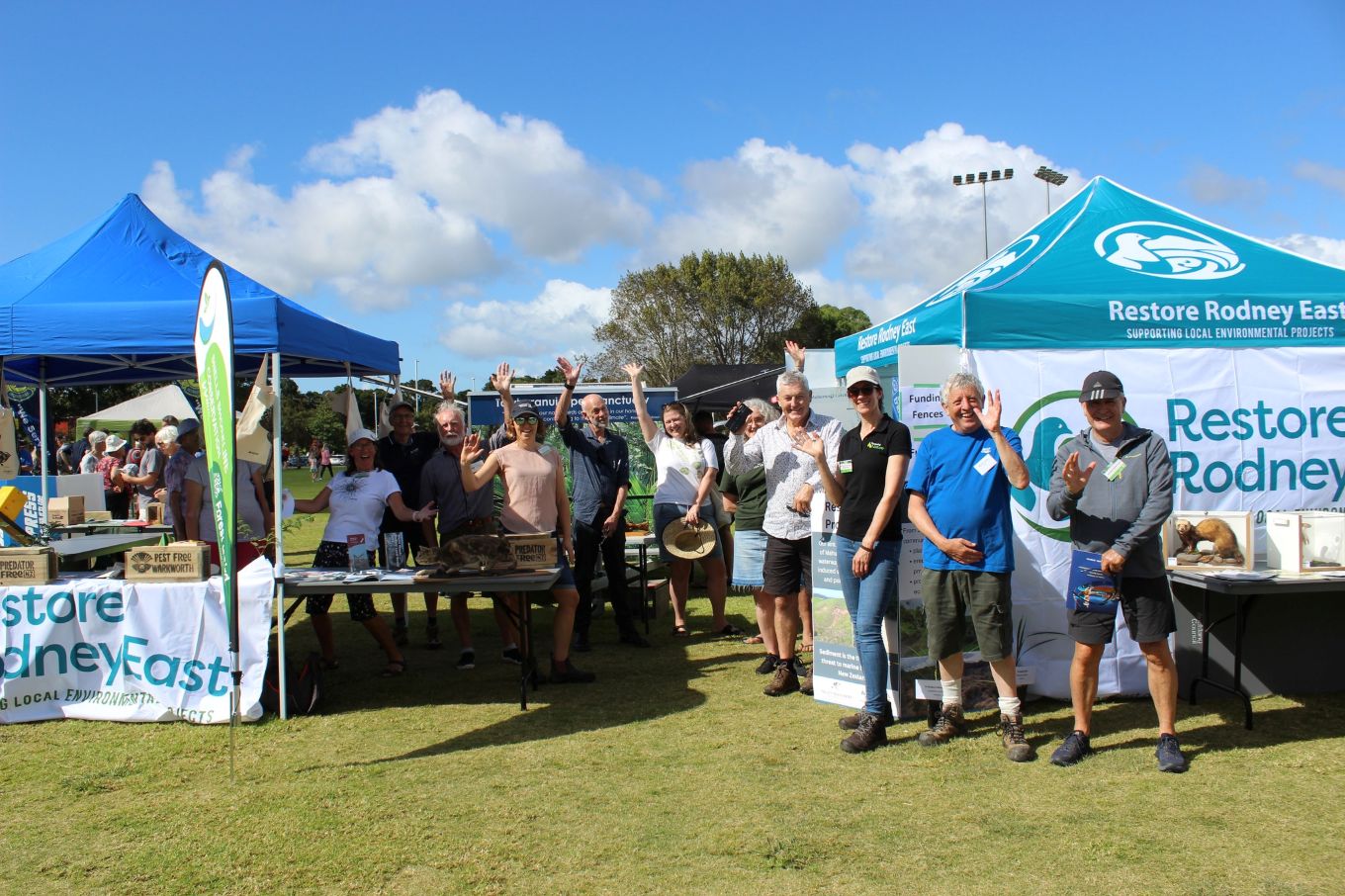
2. Connecting people and projects with Restore Rodney East
Restore Rodney East (RRE) brings together environmental groups, volunteers, landowners and community organisations working to restore native habitats and protect wildlife across eastern Rodney, from Puhoi to Mangawhai.
By weaving together people, knowledge and resources, RRE strengthens collaboration and supports community-led conservation across the region.
As an umbrella organisation, RRE supports more than 45 local conservation groups by providing training, advice, shared tools and opportunities to connect. Through events and workshops, groups can build skills, share ideas, and work collectively to care for te taiao at a landscape scale.
“Groups can borrow tools through our online library, access training workshops, receive strategic guidance and support, and connect with others at events such as our annual Connect & Inspire keynote speakers’ event,” says Restore Rodney East volunteer coordinator Sarah Churchouse.
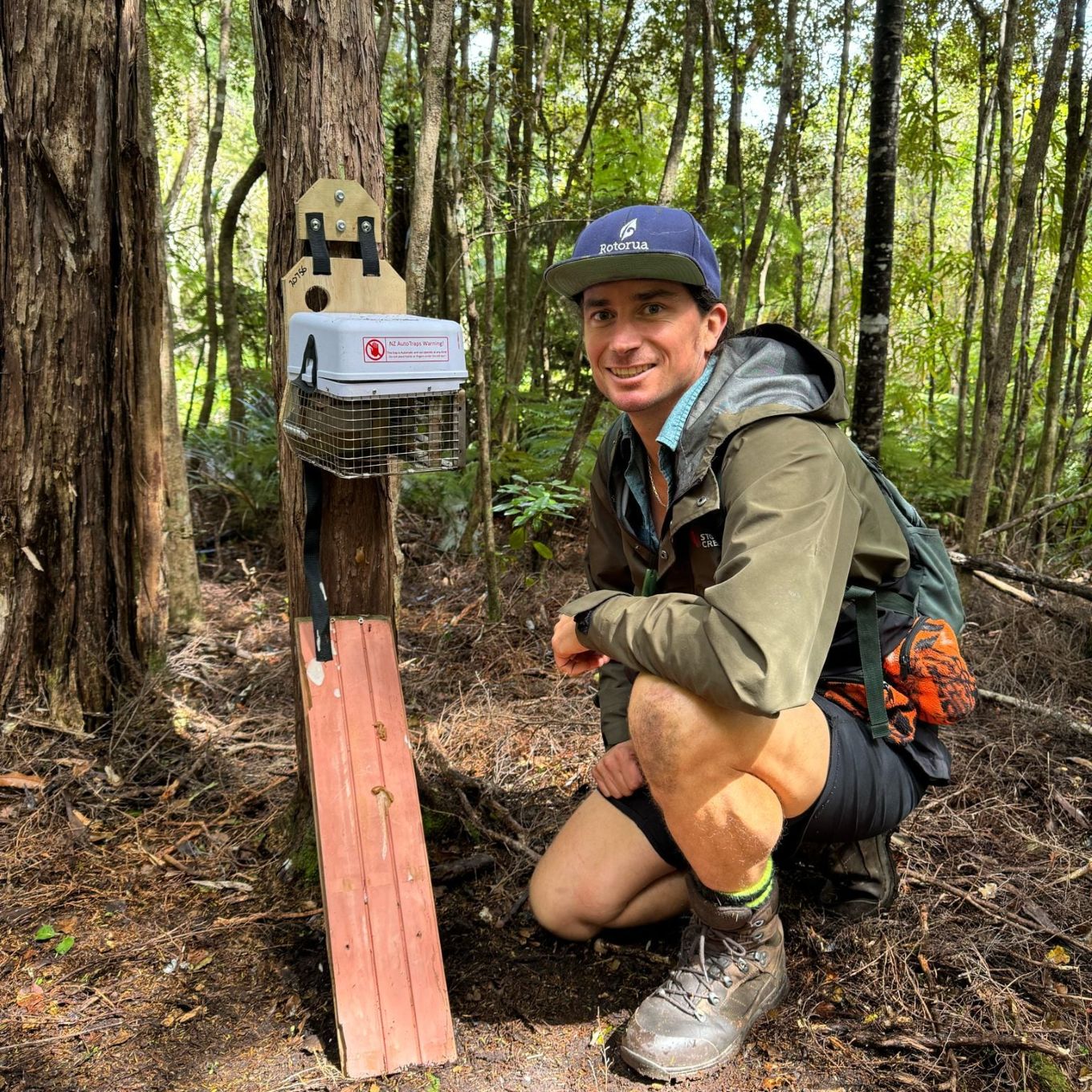
3. Tackling pests and supporting communities in west Rodney
In west Rodney, Community Conservation Coordinator Boyd Steel delivers school workshops on conservation and trapping, engages iwi on local projects, and advises community groups on setting up and monitoring trap networks. He also provides technical advice, shared tools, training, and support for fundraising to help local programmes succeed.
“By supporting programmes like Ōtakanini Tōpū trap networks, Muriwai Environmental Trust fundraisers, and school trapline initiatives, we help schools, iwi, and community groups work together to protect native wildlife,” says Steel.
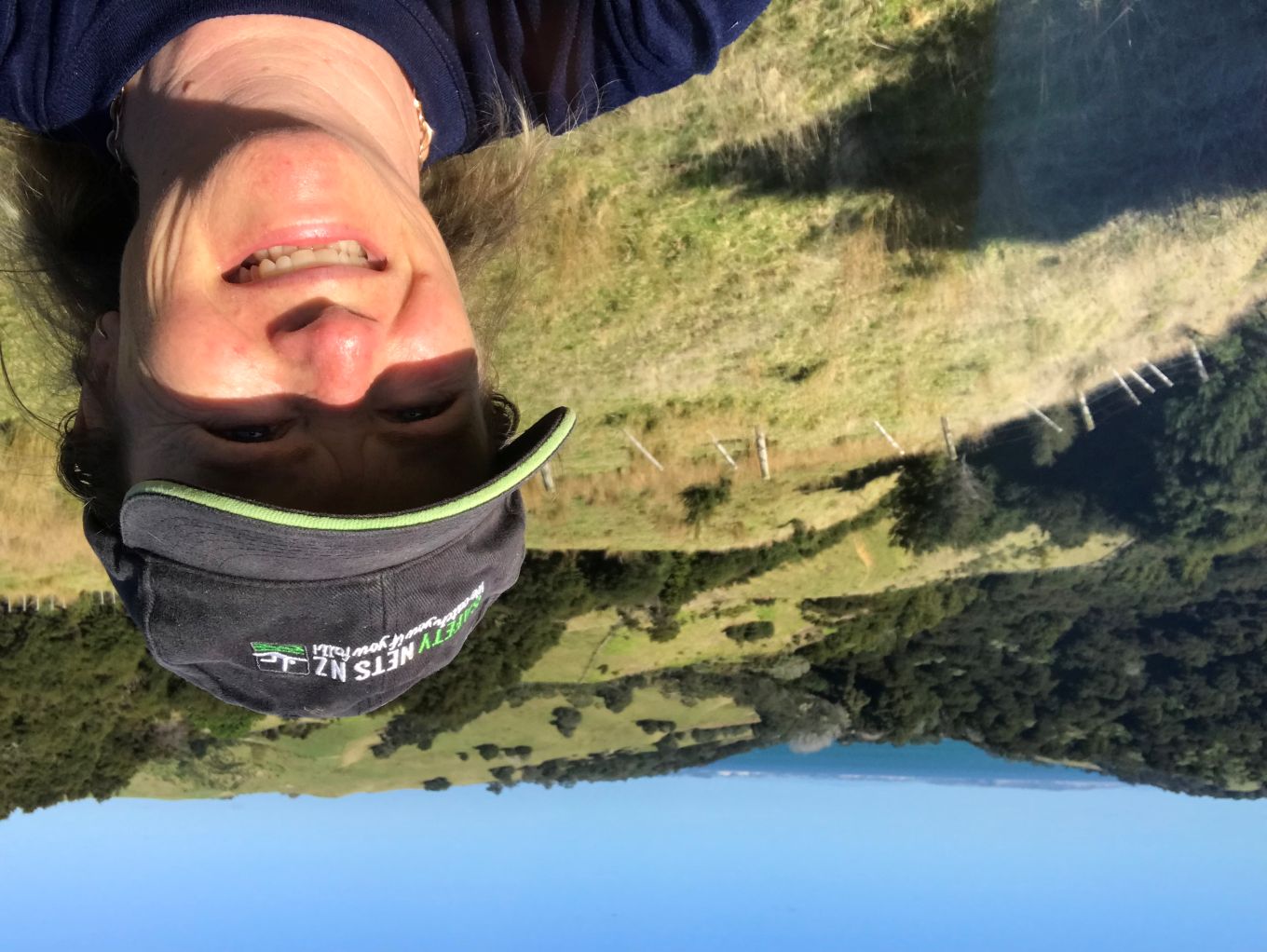
4. Connecting conservation groups in Rodney central
A new role established in central Rodney supports conservation groups and landscape biodiversity. A Rodney Central Coordinator, appointed last September, connects local groups, and runs upskilling and networking events. A strategic plan is also being developed.
This support has already helped pest free groups in Coatesville and Kaukapakapa launch kiwi trapping networks, secure landowner permissions, and plan volunteer-focused events like Pestival.
“Through workshops, training, and volunteer events, this role helps groups by building a collaborative network to make conservation work more effective and lasting. A group website and shared tool library are also being developed to encourage wider participation,” says coordinator Danielle Hancock.
5. Get involved
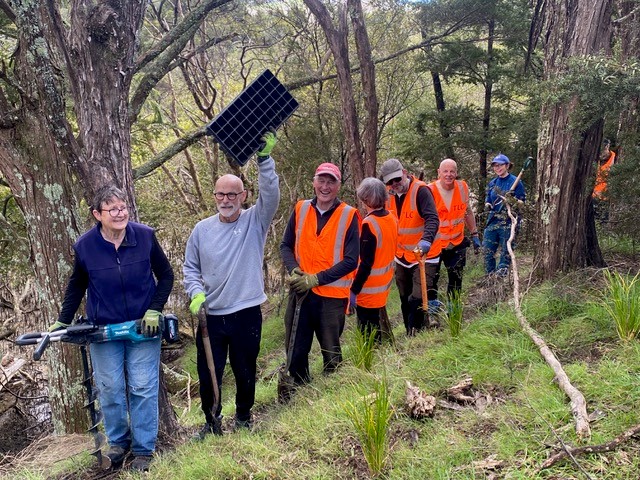
Rodney’s environmental projects rely on volunteers. Help with pest trapping, planting days, workshops, and local conservation initiatives. Every hour — whether planting trees, checking traps, or learning new skills — helps restore habitats and protect native wildlife. It’s also a great way to meet like-minded people and contribute to a greener Rodney.
Contacts for coordinators:
- Rodney East: Email Sarah Churchouse at facilitator@rre.org.nz
- Rodney West: Email Boyd Steel at boyd.pestfree@gmail.com
- Rodney Central: Email Danielle Hancock at rodneywestrecovery@gmail.com
Stay up to date
Sign up for your Local Board E-news and get the latest news and events direct to your inbox each month. Or follow us on Facebook.