


Standing in a service station without a reusable bottle, Aucklander Jayden Klinac scanned the shelves for water.
There were options made from plastic, aluminium and glass. Some were marketed as recyclable, others as lower‑impact choices. But they all shared the same outcome — they were designed to be used once, then thrown away.
Even when recycled, each bottle still carries an environmental cost through extraction, manufacturing and transport. The choice was convenient, but not without consequence.
That everyday moment became the starting point for Anew, an Auckland‑founded water bottle company now operating across New Zealand, Australia, the United States and parts of Asia.
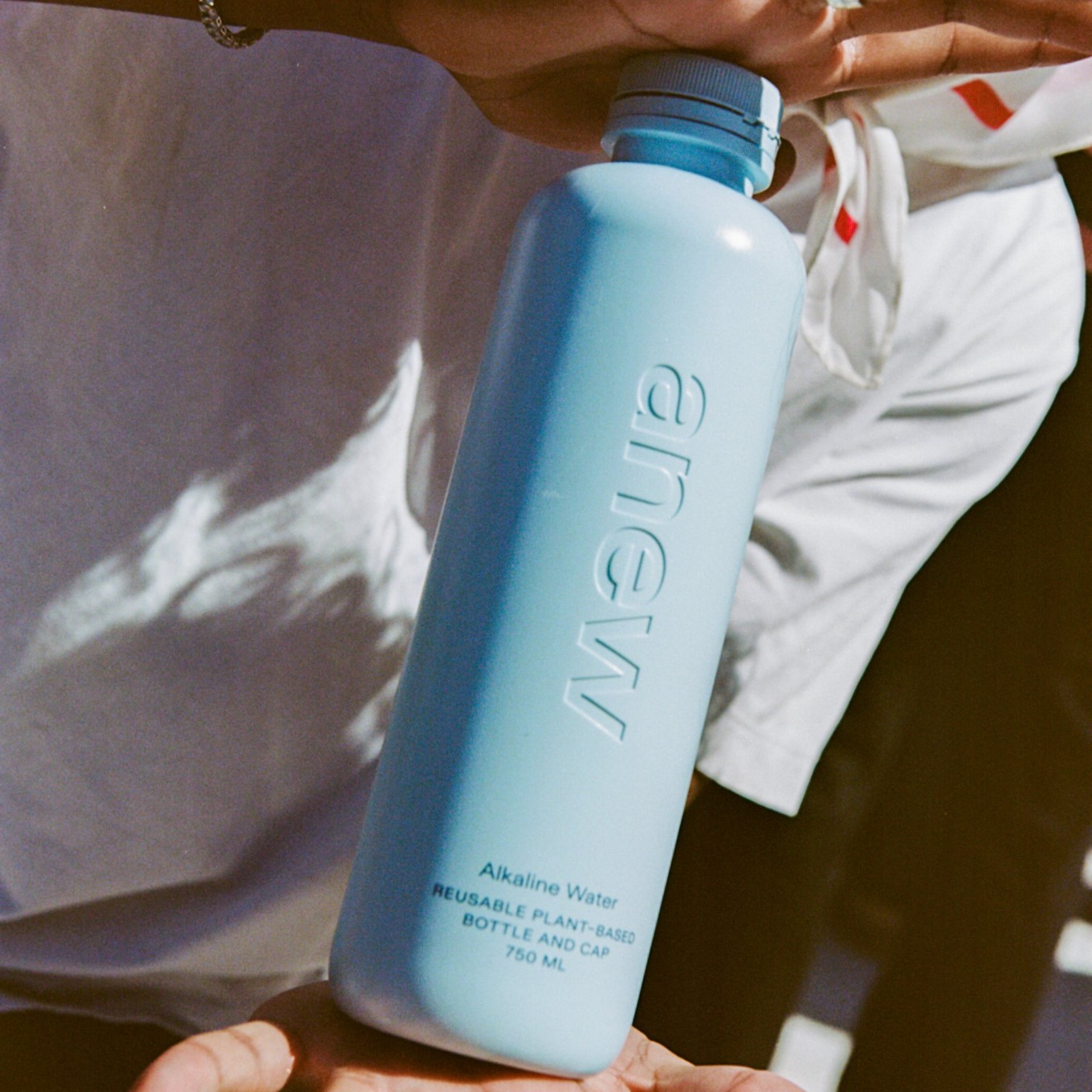
Anew produces alkaline water in reusable bottles made from plant‑based materials. Rather than replacing one single‑use material with another, the bottles are designed to be kept, refilled and reused, reducing the need for repeated manufacturing altogether.
The business began in a spare room, before taking a significant step forward in 2019 when Klinac joined GridAKL, Auckland Council’s innovation hub in Wynyard Quarter.
At GridAKL, Anew gained access to shared workspace, a network of founders and industry connections that helped the company move from early development into growth. Support through the hub also led to investment, enabling the business to scale production and enter new international markets.
Auckland Mayor Wayne Brown said backing practical innovation is exactly what Auckland should be focused on.
“Anew is a great example of what GridAKL is designed to do, which is help smart founders turn good ideas into businesses that scale.
“This is a Kiwi company solving a real environmental problem, creating economic value and taking Auckland innovation to the world.”
Today, Anew bottles are sold online and stocked in more than 500 outlets across New Zealand, alongside hundreds more internationally. Recent growth has included expansion across Australia, with the bottles now being stocked in 200 BP station stores, as well as ongoing distribution in the United States including the high-end grocery store chain Sprouts, and parts of Asia.
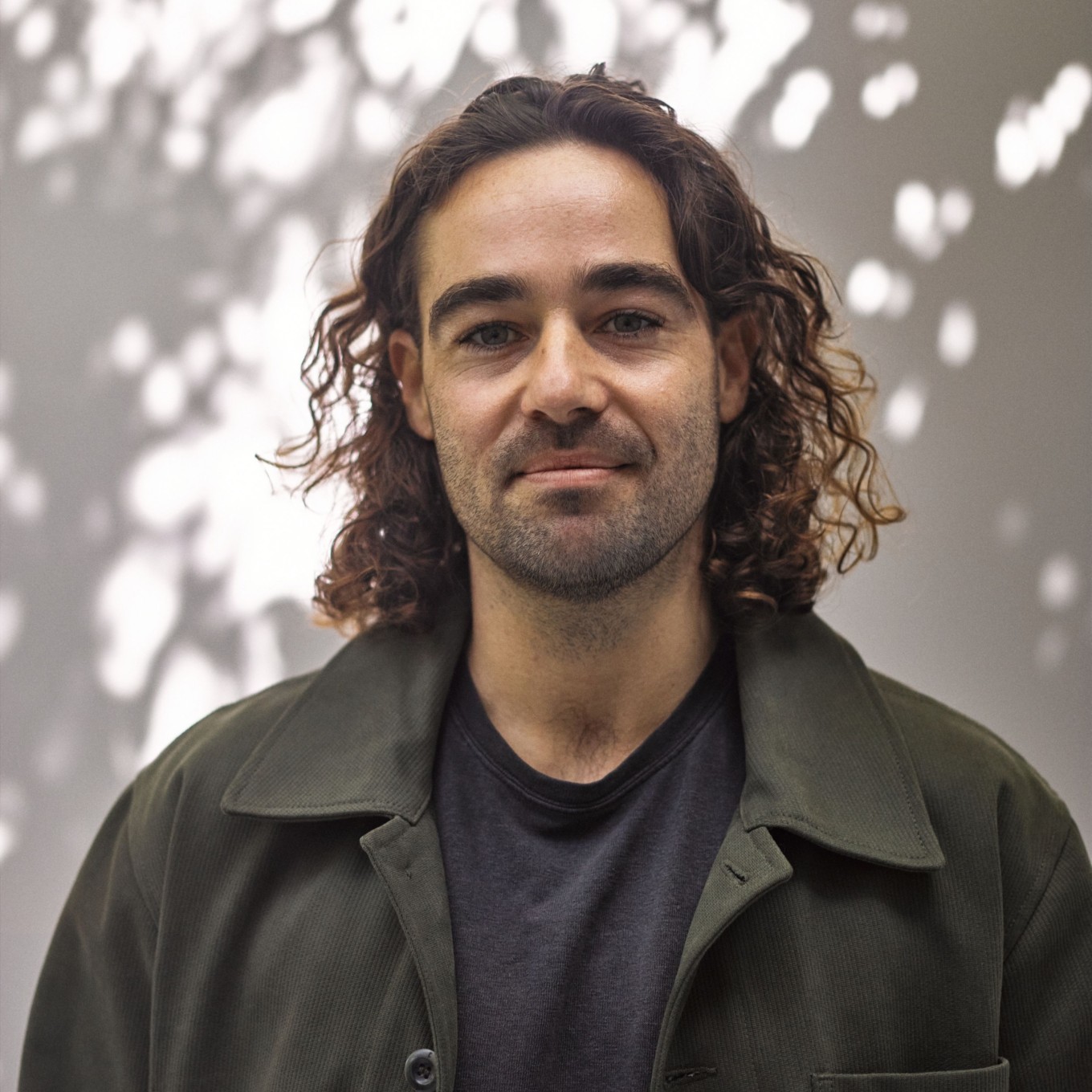
The founder of Anew, Jayden Klinac.
The bottles are carbon negative in production, free from microplastics and BPA, and recyclable through standard plastic number two recycling streams at the end of their life. They are designed to reduce reliance on single‑use bottled water, particularly in situations where reusable bottles are often forgotten.
Anew’s approach is also being tested in high‑waste environments.
At Auckland’s Laneway Festival earlier this year, the company again sold out of its limited‑edition refillable bottles. Free water refill stations helped reduce repeat purchases, while giving people a bottle they could take home and continue using.
Food packaging and drink containers account for a large share of waste generated at large events. By replacing traditional bottled water with reusable bottles, the festival avoided and sequestered nearly two tonnes of carbon dioxide emissions in a single day.
GridAKL supports Auckland‑based founders developing practical responses to global challenges, including waste reduction and sustainable design. Anew is one example of a local business growing a solution from a simple observation and taking it well beyond Auckland.
Anew’s success story is one of many at GridAKL, and a source of pride for the General Manager of the Economic Development Office, Pam Ford.
“We couldn’t be prouder of Anew’s growth.
“GridAKL has now been open for 11 years as a centre for innovation and support for founders, whose successes are wins for Auckland. In October this year, we will host the second Auckland Startup Week at GridAKL, which will further cement Auckland’s reputation as an innovation leader in the Asia-Pacific region."
What began as a moment of hesitation in a service station is now helping reshape how bottled water is designed, sold and reused at scale.