


Saving money and even losing weight, Alex Xu cut more than waste when he started using the food scraps collection service regularly.
For Alex Xu, an Eco Ambassador with CNSST Foundation, using the food scraps collection service led to an unexpected benefit he never saw coming.
“I lost 10 kilos,” says Alex. “Before, I would overcook and then overeat. Now I think about what’s enough.”
And if he wasn’t overeating the excess food, the household was throwing it away.
“Once we separated it regularly, we realised how much we were wasting,” Alex says. “It made us rethink everything.”
Small changes add up – and save dollars
Using the food scraps bin soon led to changes across the household; the family now cooks only what they need, such as switching from whole fish to fillets to reduce waste, and they plan meals, shop with a list, and check what they already have before buying more.
That’s when Alex started noticing they were also saving money on groceries, as the household was buying less, and wasting less.
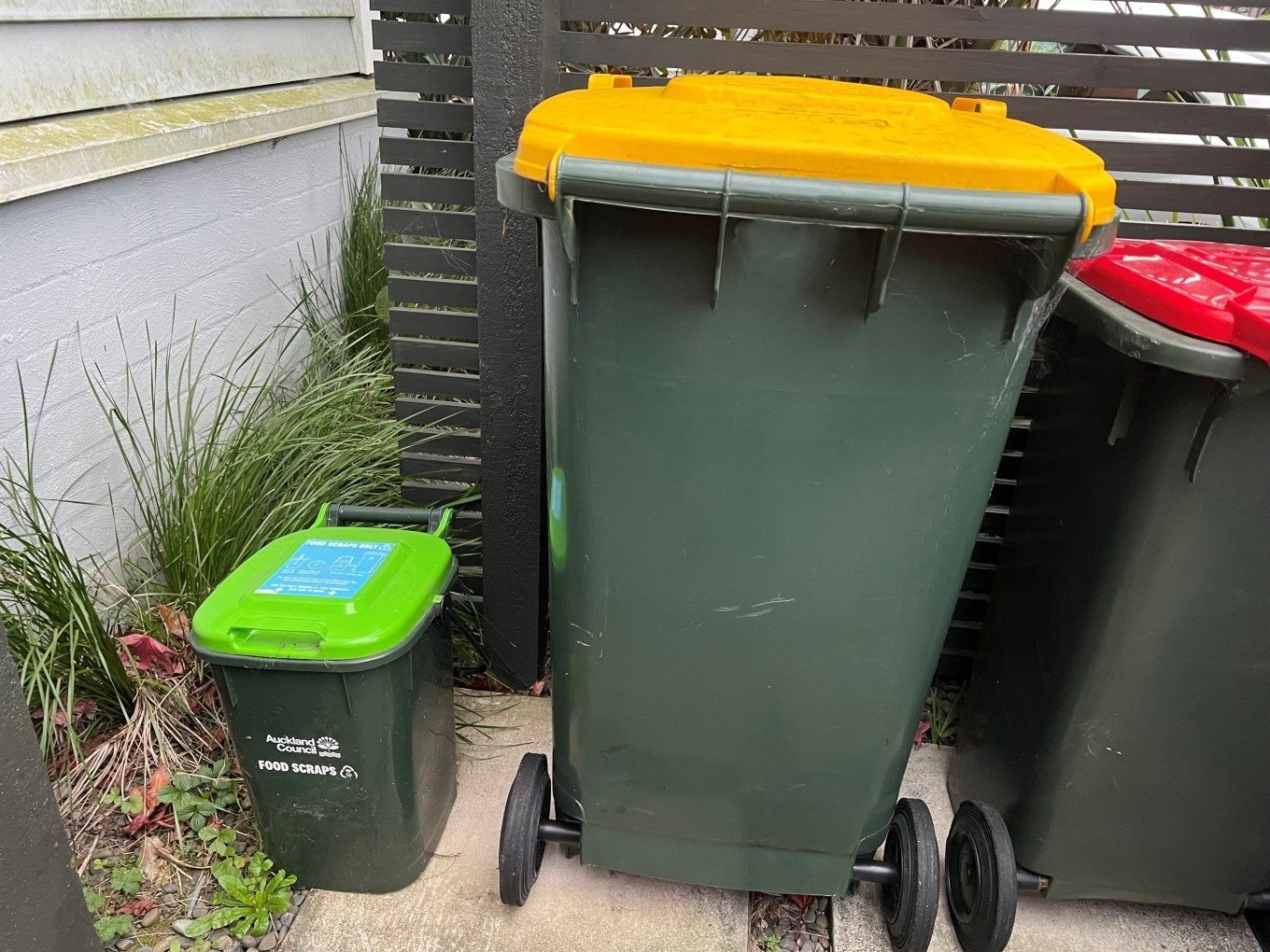
And of course, there was the environmental benefit of reducing waste from using the food scraps service. Alex realised that their rubbish bin was only filling up every three weeks, where before using the food scraps service it was full every week.
“You really see how much of what was in the big rubbish bin was food,” Alex says. “Even small scraps make a difference.”
But it almost didn’t happen.
After giving it a try initially, Alex and his family stopped. It was only when they moved to a new house that they decided to give it another go and things began to change.
“At the beginning, I wasn’t a big fan,” Alex says.
After moving to Flat Bush, they decided to try again and make it part of their routine.
“It doesn’t have to be perfect,” Alex says. “You just keep doing it most days.”
They prepare food on the weekend so scraps can go out with the Monday collection and keep their kitchen caddy clean to reduce smells.
Different cultures, different habits
Through his work with CNSST, Alex supports people from a range of communities to start using the service.
He says people’s backgrounds can shape how they approach food and waste. For many Asian migrant families, especially older generations, cooking with whole ingredients and preparing large meals for family and guests is a sign of thoughtfulness.
“There’s a lot of care in making sure everyone is well-fed,” he says. “But that can mean cooking too much.”
Adjusting to a new service can take time. Language barriers, unfamiliar routines and practical factors can all play a role. Larger households may also feel they need more bin capacity.
Younger people, Alex finds, are often quicker to try new routines.
People are also impressed to hear the food scraps are transformed into energy, biogas and fertiliser that’s used in greenhouses and on local farms, significantly reducing the use of fossil fuels and greenhouse gas emissions.
Making it work for you
Through workshops and one-on-one support, Alex shares simple ways to make food scraps part of everyday life:
- Use baking soda, vinegar or coffee grounds to manage smells
- Line bins with paper towels to keep them dry
- Keep your caddy outside when possible
- Place your food scraps bin closer to the kerb and put your scraps in as you go
- Order a free extra food scraps bin if you need one.
“It’s about finding what works for your household,” he says.
For Alex, the most rewarding part of his work is seeing people stick with it.
He recalls helping an elderly woman order a green food scraps bin. She quickly made it part of her routine — and when it was accidentally thrown away, she asked for help to replace it straight away.
“That meant a lot,” he says. “She really wanted to keep going.”
Alex’s message is simple: you don’t have to get it perfect.
At home, using the service has meant less waste, lower costs and healthier habits. In his community work, it’s about helping others take that first step.
“It’s simple,” he says. “If it’s food, put it in the food scraps bin when you can.
“Just start and you’ll see the difference.”