


Whether you're looking for an accessible playground, a wheelchair-friendly walking route, specialist changing facilities, easier ways to get around the city or access to great venues and attractions, we’re continually working hard at Auckland Council to improve access for all across Tāmaki Makaurau.
Here’s a handy list of ways everyone can participate, connect and enjoy what Auckland has to offer, regardless of their ability:
1. Play spaces designed for all abilities
A day at the playground should be something everyone can enjoy.
Across Auckland, more than 120 playgrounds located in local and regional parks feature accessible equipment such as wheelchair-accessible trampolines, accessible ramps, sensory play elements and basket swings.
When playgrounds are renewed, design teams also look at features that improve access for a wider range of people, including smoother surfaces, step-free entry points, better paths, additional seating and improved circulation space.
Playground at Keith Park, Manurewa
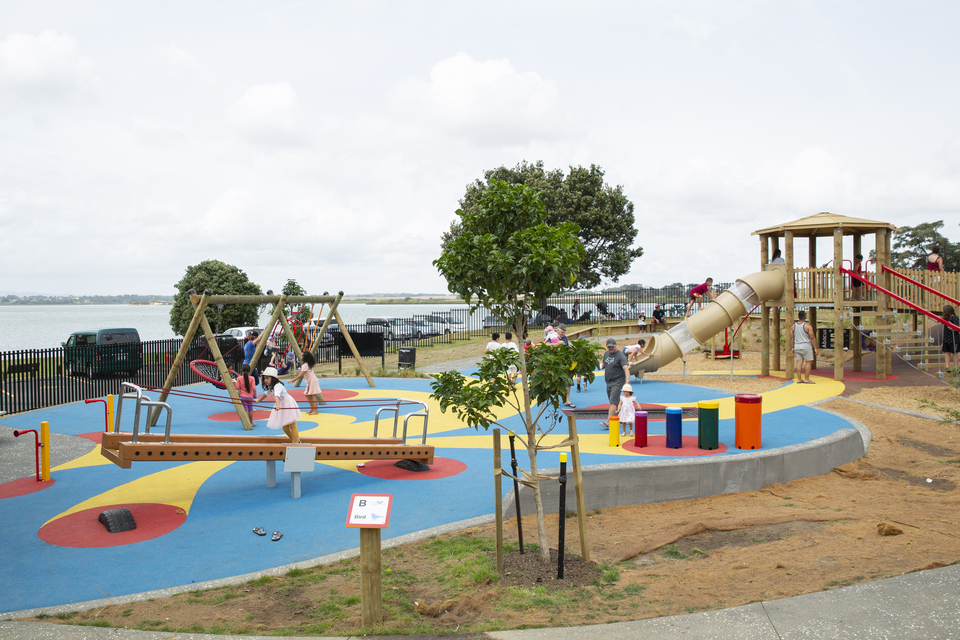
Children of all abilities can play, explore and have fun together at the accessible playground in Keith Park, Māurewa.
One standout example is the playground at Keith Park in Manurewa, which was developed as an inclusive playground with input from disability organisations including Deaf Aotearoa, Disability Action and Blind Low Vision New Zealand. The playground was the first in New Zealand to incorporate New Zealand Sign Language into its play features.
Long Bay Regional Park Playground
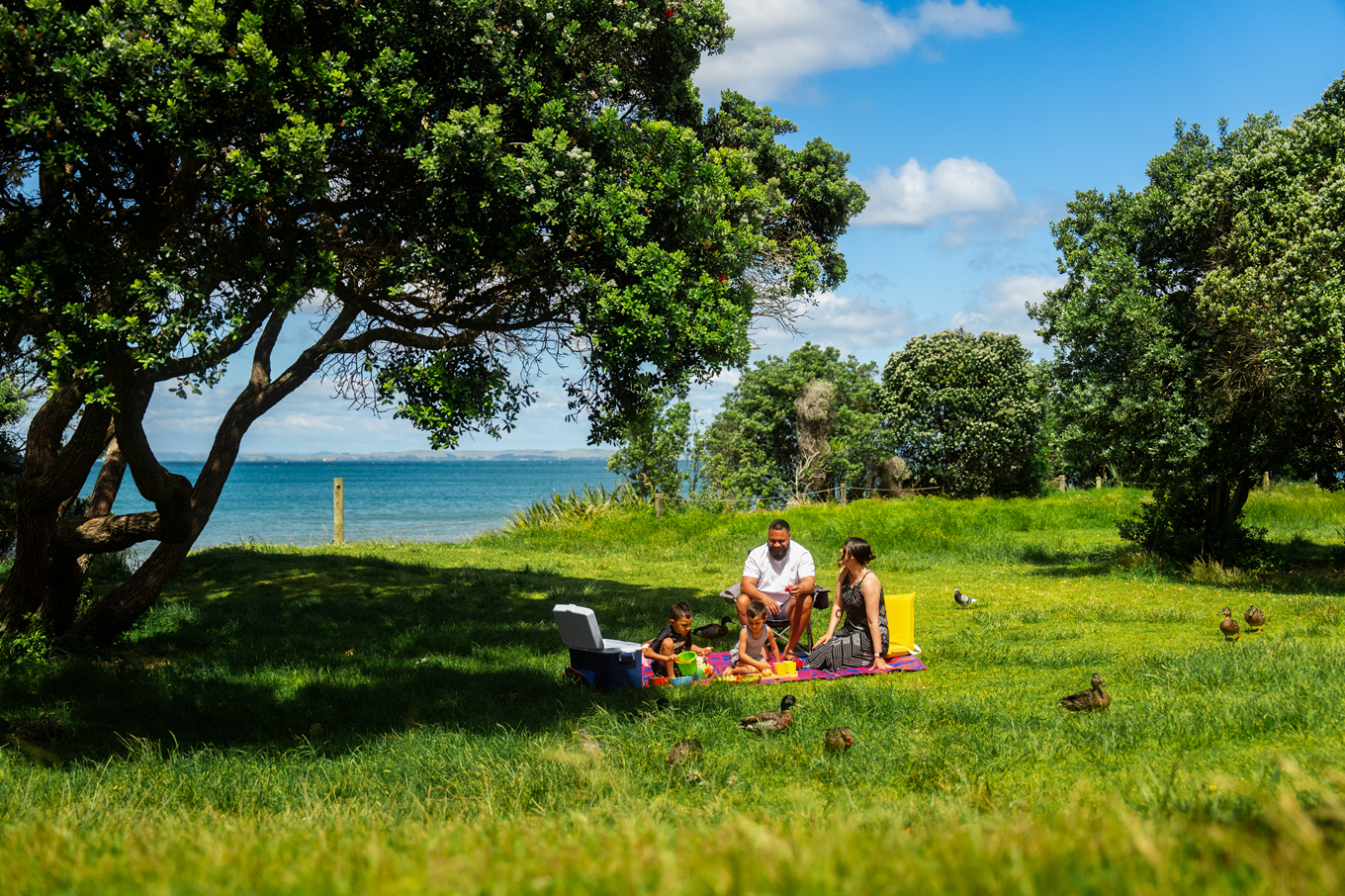
Long Bay Regional Park’s all-access playground helps make the popular destination more welcoming and enjoyable for children and whānau of all abilities.
Another popular destination is the all-access playground at Long Bay Regional Park, which was designed with support from Variety – the Children's Charity, helping create a space where children of different abilities can play alongside one another.
Auckland Botanic Gardens, Manurewa
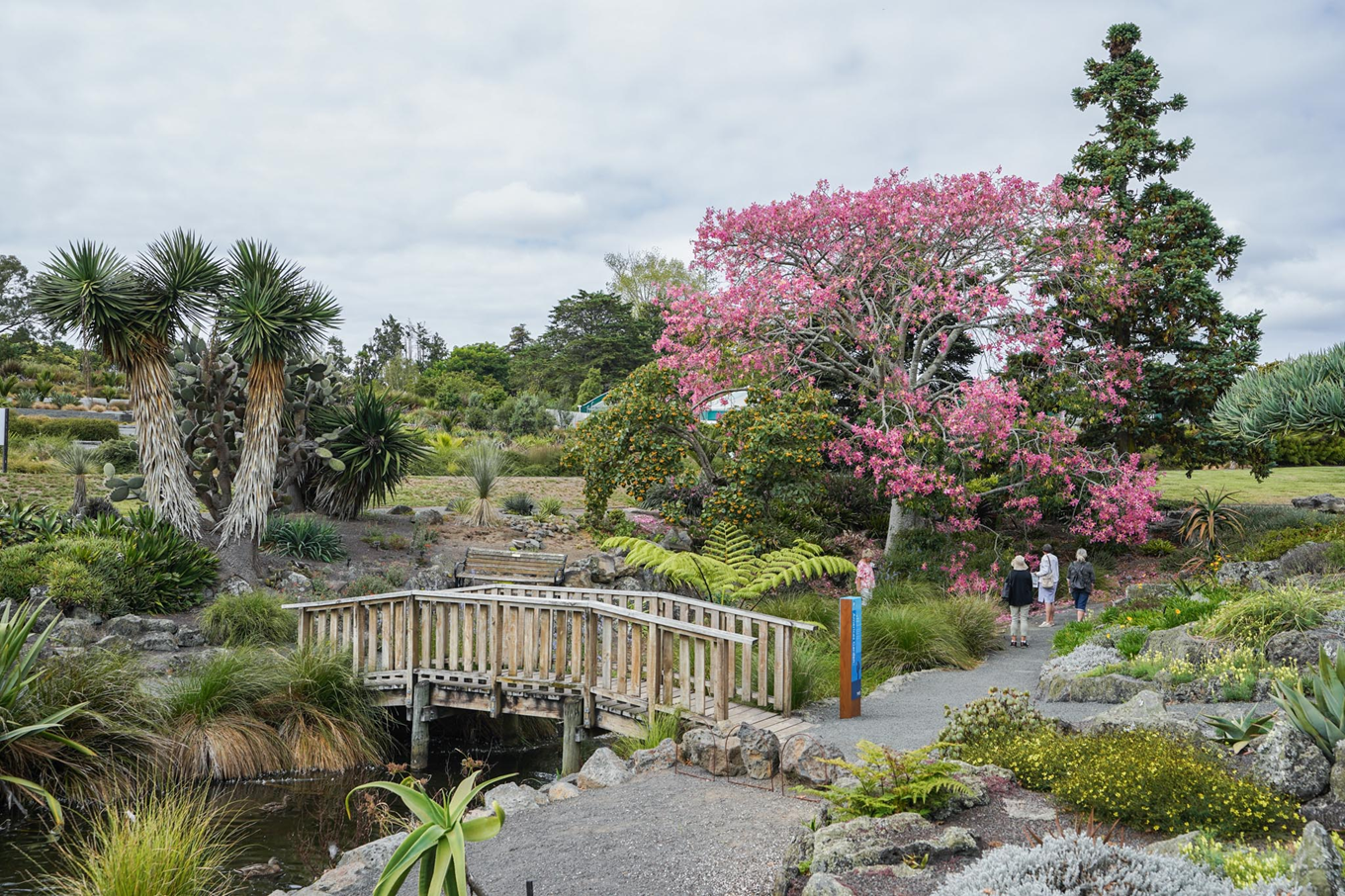
From vibrant floral displays to peaceful walking tracks, Auckland Botanic Gardens is designed to be enjoyed by a wide range of visitors.
Auckland Botanic Gardens is one giant playground for nature lovers, and the Gardens team is working to make the whole park more accessible, making changes to put accessibility at the heart of everything the park does. The ABG team are working with the disability/access communities to be intentional in building accessible design into all that the Gardens offer.
Exploring more of Auckland's parks and open spaces
Check out AKL Paths for more information on dozens of accessible routes across the region, helping people find walking and wheeling paths that suit their needs before they leave home.
2. Greater independence through Changing Places facilities
For some Aucklanders, access to standard accessible toilets doesn't meet their needs.
That's where Changing Places facilities make a difference. These specialised spaces include equipment such as ceiling hoists, adult-sized changing benches and room for carers, providing greater comfort and dignity for people with high support needs.
The Changing Places facility at Gould Reserve, Takapuna Beach helps make one of Auckland's most popular coastal destinations accessible to more people and their whānau.
3. Getting active at pools and leisure centres
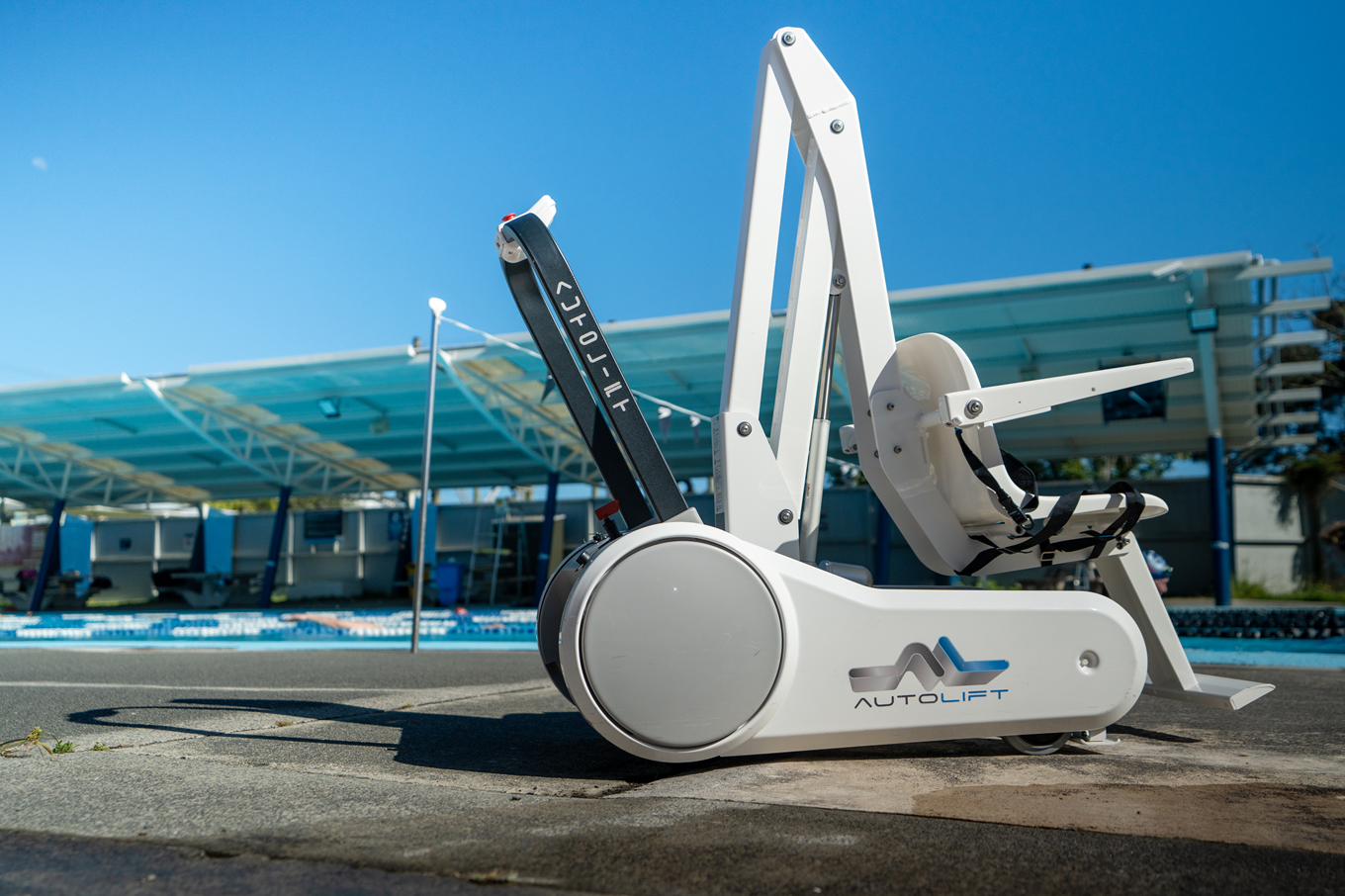
Auckland Council’s pools and leisure centres are designed to help more Aucklanders participate in sport, recreation and wellbeing activities, with many facilities offering accessible features such as step-free access, accessible parking, pool hoists, wheelchair-friendly changing rooms and toilets, and equipment that supports people with a range of mobility needs.
We continue to invest in inclusive upgrades, such as a purpose-built accessible changing facility at Albany Stadium Pool featuring a ceiling hoist, adjustable shower and toilet facilities, automatic doors and a changing bed, helping ensure people of all abilities can enjoy the benefits of being active. To find a pool and leisure centre near you that has accessibility features, visit the pool and leisure site and filter by accessibility.
4. Enabling lovers of reading and more with libraries
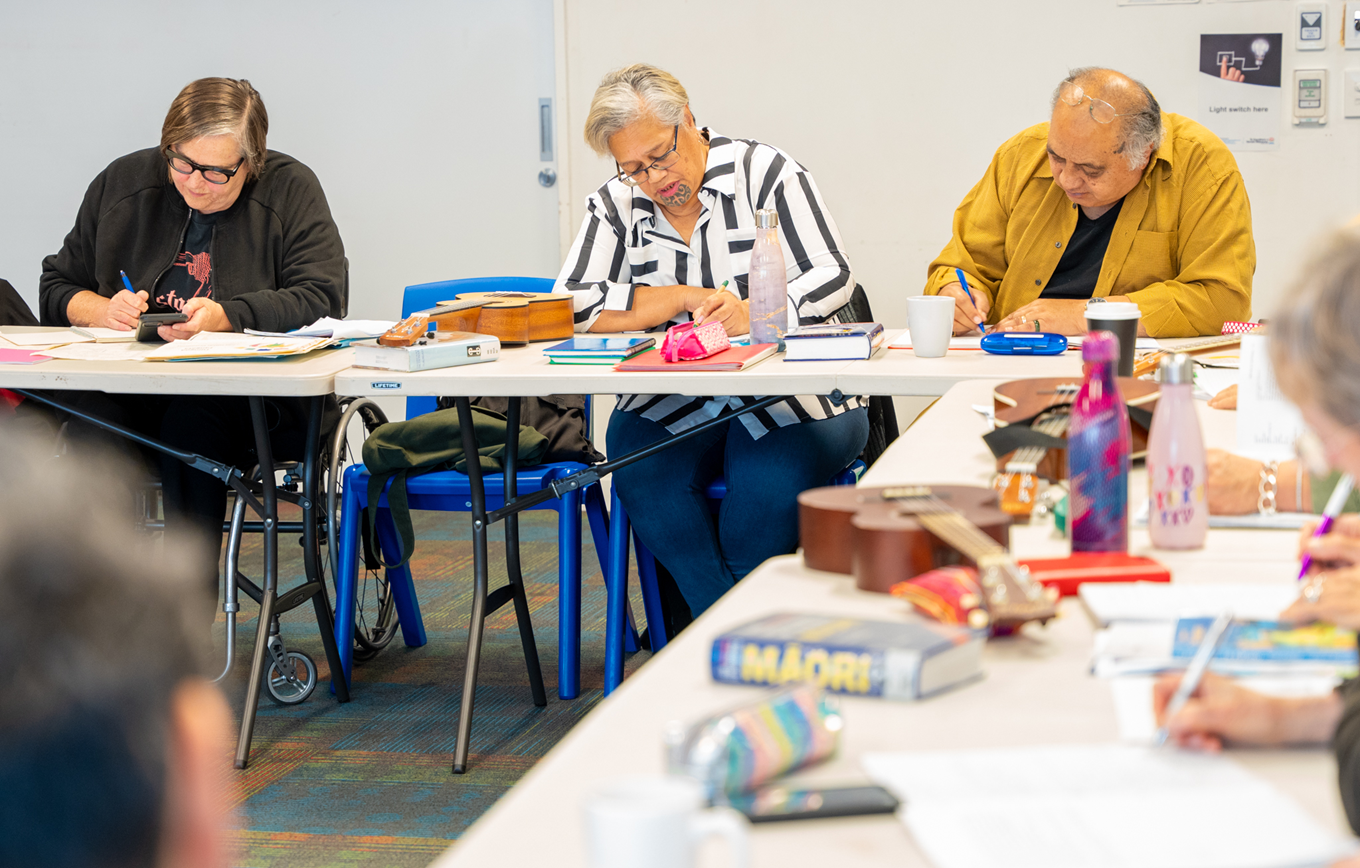
Auckland Council libraries are designed to be welcoming and accessible for all Aucklanders. Many libraries offer step-free access, accessible toilets, mobility-friendly spaces, free Wi‑Fi and public computers, assistive technology, large-print and audiobooks, and staff support to help customers access council and library services.
And if you find it hard to get to a library, don’t worry, we got you! Our mobile libraries visit locations and communities throughout Tāmaki Makaurau. They're especially helpful for those who may find it challenging to visit their local library.
5. Getting amongst it at community hubs
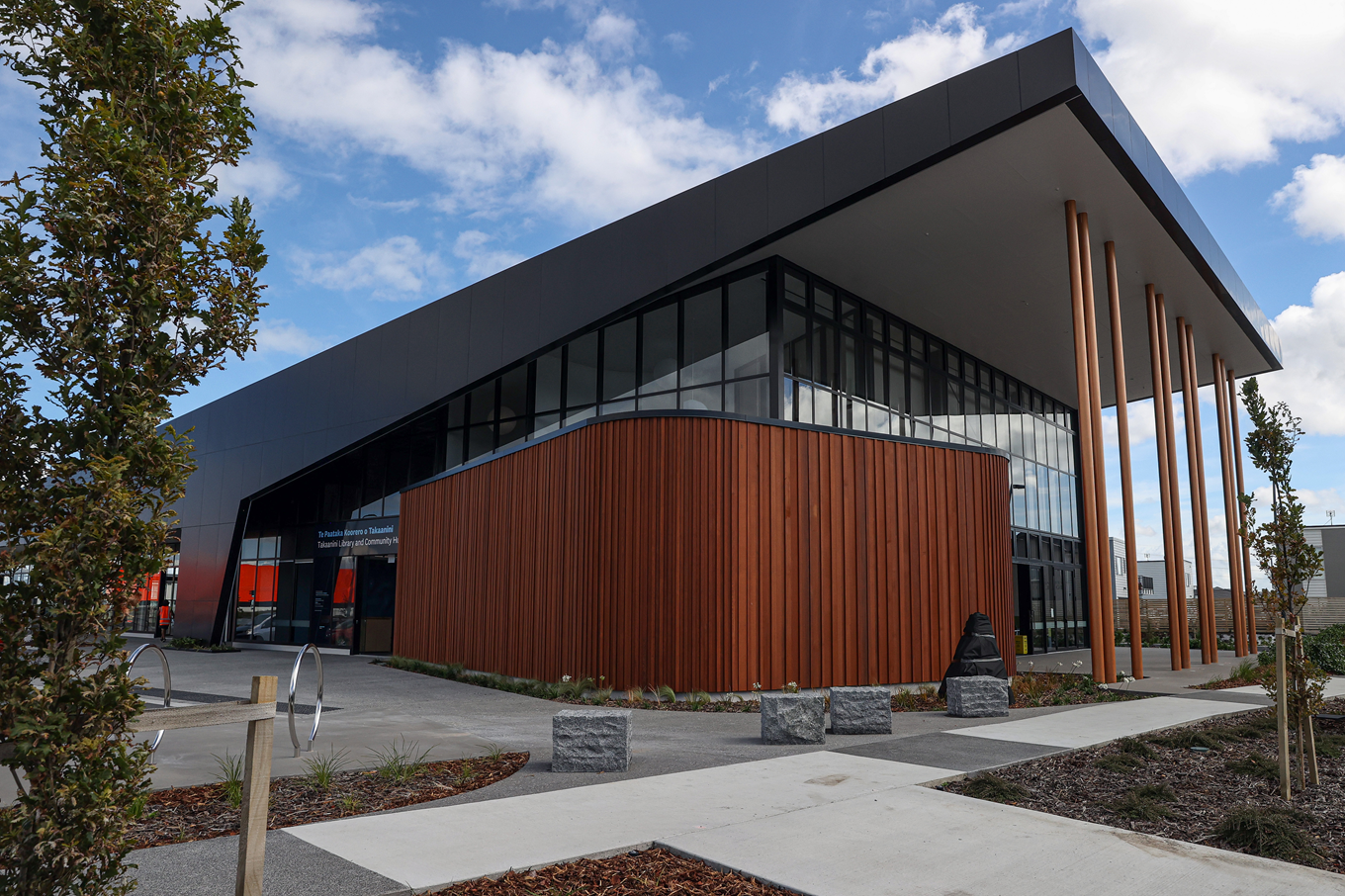
New facilities at Takaanini Hub make this community venue a great gathering point for a variety of occasions.
There are 200+ community hubs and venues across Auckland, and most include wheelchair-friendly access, accessible parking, and accessible toilets. Several hubs are specifically designed with modern, flat layouts to cater to diverse community needs.
Check out these popular hubs:
- Albany Community Hub Te Pokapū ā-Hapori o Ōkahukura,
- Massey Community Hub,
- Manutewhau Community Hub,
- Takaanini Community Hub,
- Mahurangi East Community Centre.
6. Visiting art galleries, museums, and the zoo!
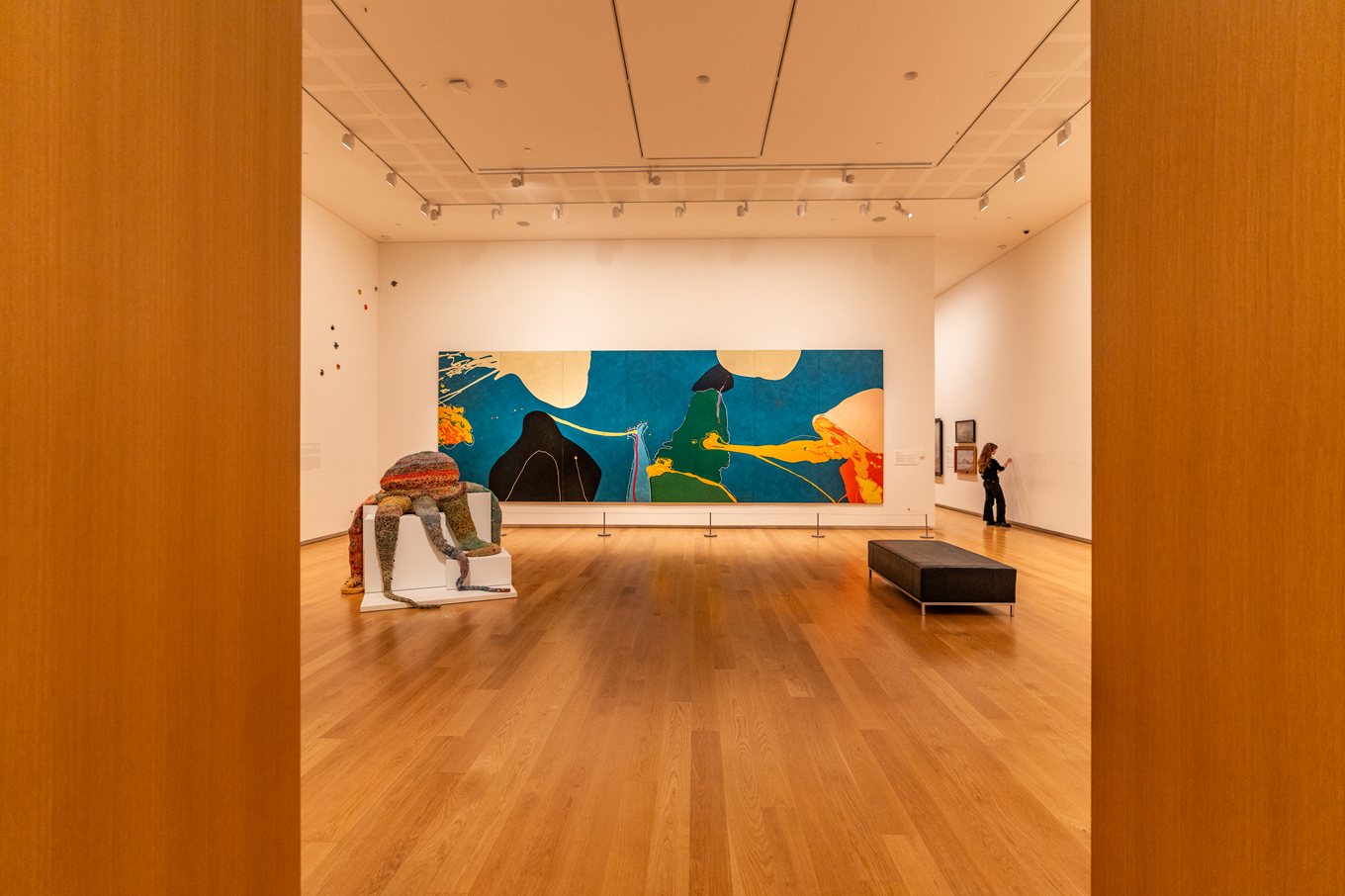
Auckland Art Gallery provides inclusive experiences that enable more people to connect with art, history and contemporary culture.
Auckland’s major attractions are increasingly designed to be accessible and inclusive for visitors of all abilities.
- Auckland Art Gallery Toi o Tāmaki offers step-free access throughout the building, accessible entrances and lifts, wheelchair hire, accessible parking, support-worker access, service-dogs welcome, as well as selected New Zealand Sign Language (NZSL) and accessible programmes.
- Auckland Museum provides wheelchair access to almost all public areas, mobility parking, accessible drop-off zones, lifts, wheelchair loans, NZSL resources and a dedicated accessibility virtual tour to help visitors plan their visit.
- Auckland Zoo is more than 95 per cent wheelchair accessible and offers mobility scooter and wheelchair hire, accessible maps, assistance-dog access and free admission for carers accompanying visitors with disabilities.
7. Seeing Auckland live
Love to see a live performance? Auckland Live works to make its venues, events and performances accessible for people with a range of needs, including those who are deaf or hard of hearing, blind or have low vision, and people with reduced mobility. Accessibility features include wheelchair-accessible seating and routes, accessible toilets, lifts, mobility-friendly venue access, service and support assistance, and dedicated accessibility support before and during events.
Auckland Live also offers detailed Accessibility Virtual Tours for venues such as the Aotea Centre, The Civic, Auckland Town Hall and Bruce Mason Centre, allowing visitors to plan their journey in advance with information on wheelchair routes, lifts, accessible seating, bathrooms and step counts. Visitors can contact the Auckland Live accessibility team before attending an event to discuss specific access requirements and support needs.
8. Making it easier to get around
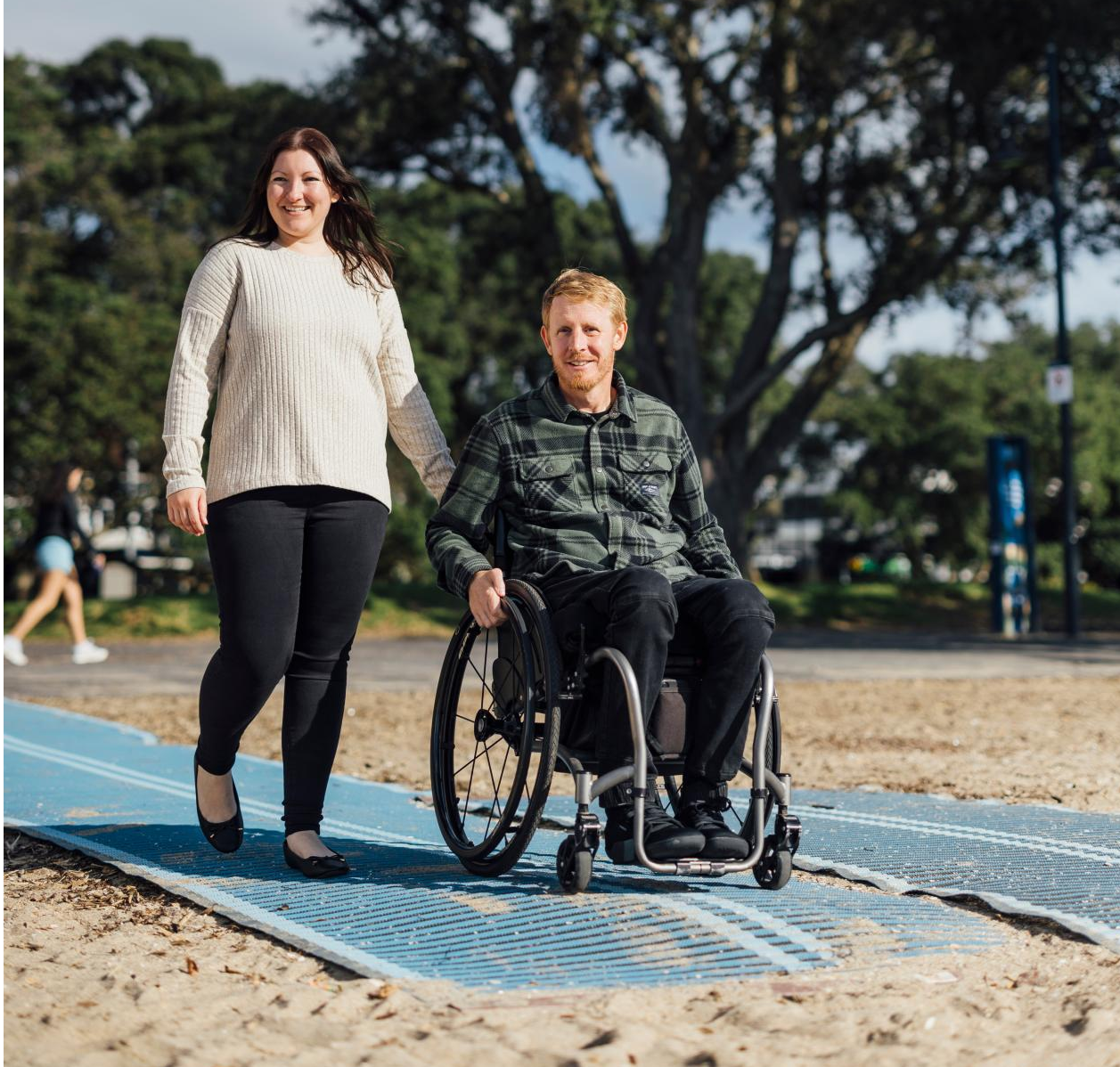
The beach wheelchair accessway at Mission Bay helps more people enjoy the sand, sea and stunning waterfront views, making a day at the beach accessible to a wider range of visitors.
Accessible journeys don't start and end at a destination.
Working alongside Auckland Council, Auckland Transport has been introducing improvements across the transport network, including lowering ferry door sills to improve wheelchair and pram access, installing additional handrails and incorporating New Zealand Sign Language into onboard safety information.
Audio announcements have been rolled out on buses around Tāmaki Makaurau and installation of kneeling ramps and ground markings that improve accessibility are ongoing. Drivers and ferry operators also receive training to help them provide support to passengers with low vision.
Heading into the city centre? Check out these accessibility maps to locate mobility parking, drop-off points and accessible routes within the city centre.
Committed to continuous improvement
And we’re not stopping here - improvements are being driven across social and cultural infrastructure in the region. This includes efforts to remove language barriers, improve signage, and update accessibility design guidelines.
We want to ensure that Auckland’s arts, culture, community and nature experiences can be enjoyed by a diverse range of visitors, and that they’re easy to get to for everyone. We know we still have work to do, and we’ll continue to strive to deliver accessibility so all Aucklanders can enjoy Tāmaki Makaurau.