


The new seawall and shared pathway at the northern end of Ōrewa Beach is complete and open to the public.
The seawall provides increased protection for the foreshore from erosion and coastal processes while also improving access along this part of the coastline for locals and visitors.
Ward Councillor John Watson emphasises the importance of Ōrewa Beach not only to the local community but also to the wider region.
“Ōrewa Beach is one of the most popular beaches in the entire Auckland region. As a year-round attraction, it is always in high use by the community. It’s one of the jewels in the crown of the Hibiscus Coast.
“I’m incredibly pleased the seawall and shared pathway have been completed, ensuring the foreshore at this much-loved location is protected and the visitor experience is enhanced,” says Cr Watson.
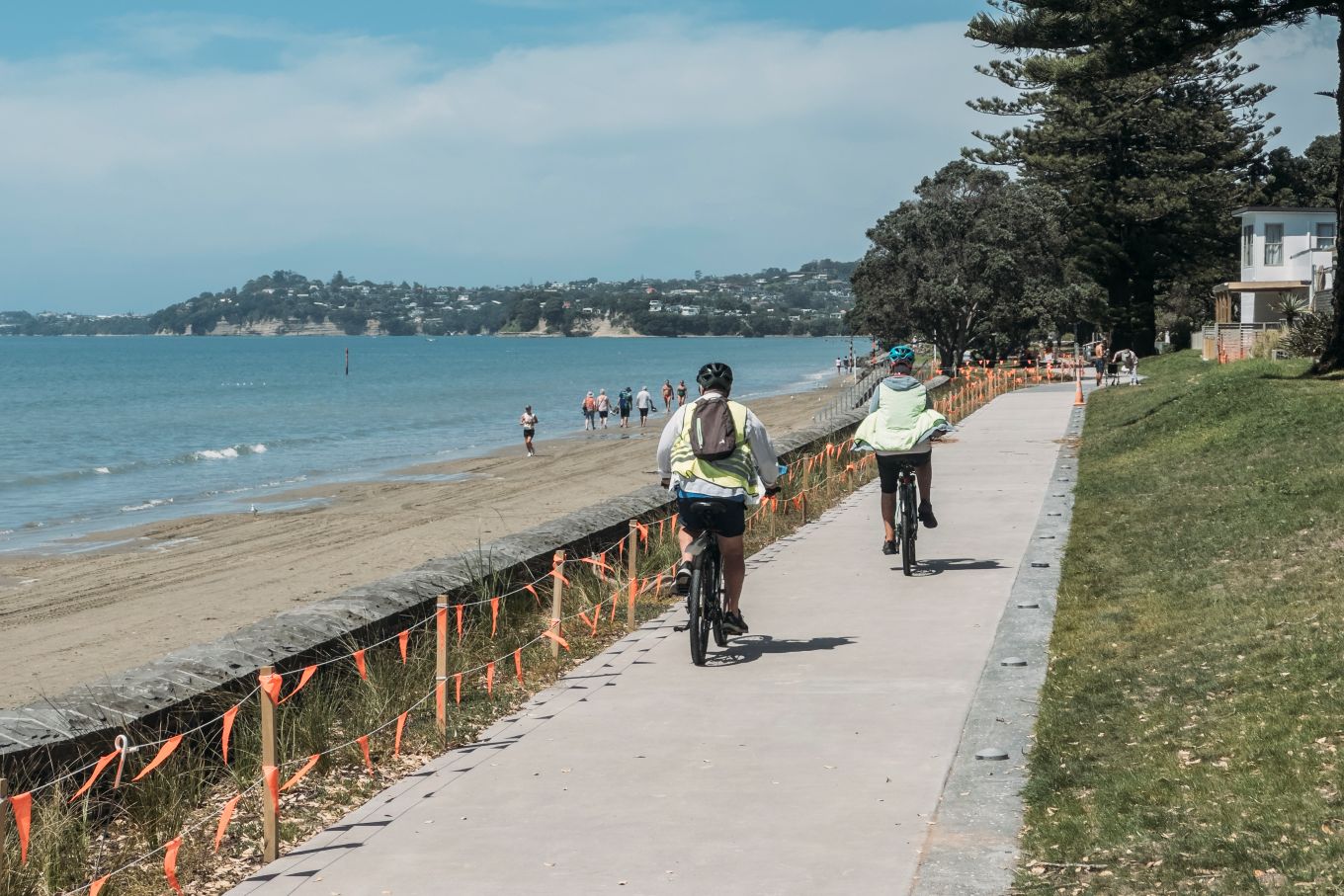
Cyclists enjoy the shared pathway.
Ward Councillor Victoria Short says the seawall will protect the foreshore for many years to come.
“Extreme weather events are becoming more frequent and these often affect the coastline of Tāmaki Makaurau, including the beautiful beaches in the region’s north.
“This project is vital for protecting the taonga that is Ōrewa Beach and its foreshore. It will safeguard the beach now and for years to come so it can continue to be enjoyed by locals and visitors from far and wide.
“Our residents have shown incredible patience as we have advocated for this project, and it is wonderful to finally see it delivered to our community,” says Cr Short.
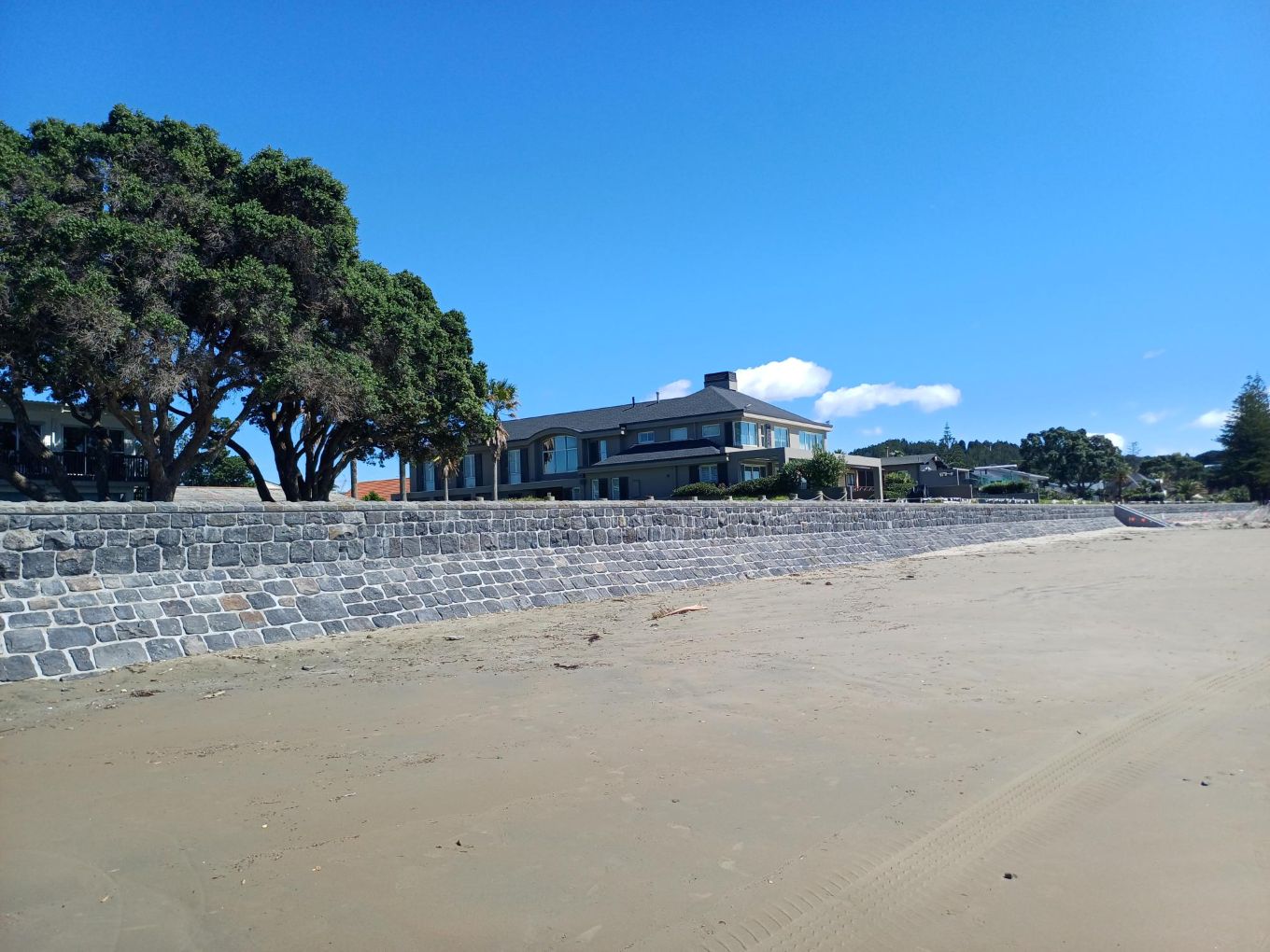
The seawall as seen from the beach.
Early design work and community engagement for the project progressed during Julia Parfitt’s time as Hibiscus and Bays Local Board Chair, including local board approval of the seawall design in 2016.
Board member Parfitt says it’s fantastic to see the Ōrewa seawall now complete and already being enjoyed by the community.
“After many years in the making, it’s great to see people out walking, cycling and spending time by the beach.”
"This has been a complex project that required significant investment, planning and perseverance, but it’s created a long-term asset that will help protect the Ōrewa beachfront and maintain public access for future generations.
"It’s also important to recognise this is a unique solution for a specific part of the coastline. Projects like this are extremely expensive, aren’t easy to deliver and can’t simply be replicated elsewhere, so we need to take a site-by-site approach to managing coastal erosion.
“The funding was achieved only because it became our local board’s priority one project. The local board of the day recognised the rate that erosion was occurring meant there would be no reserve land left to achieve a walking connection for all abilities,” says member Parfitt.
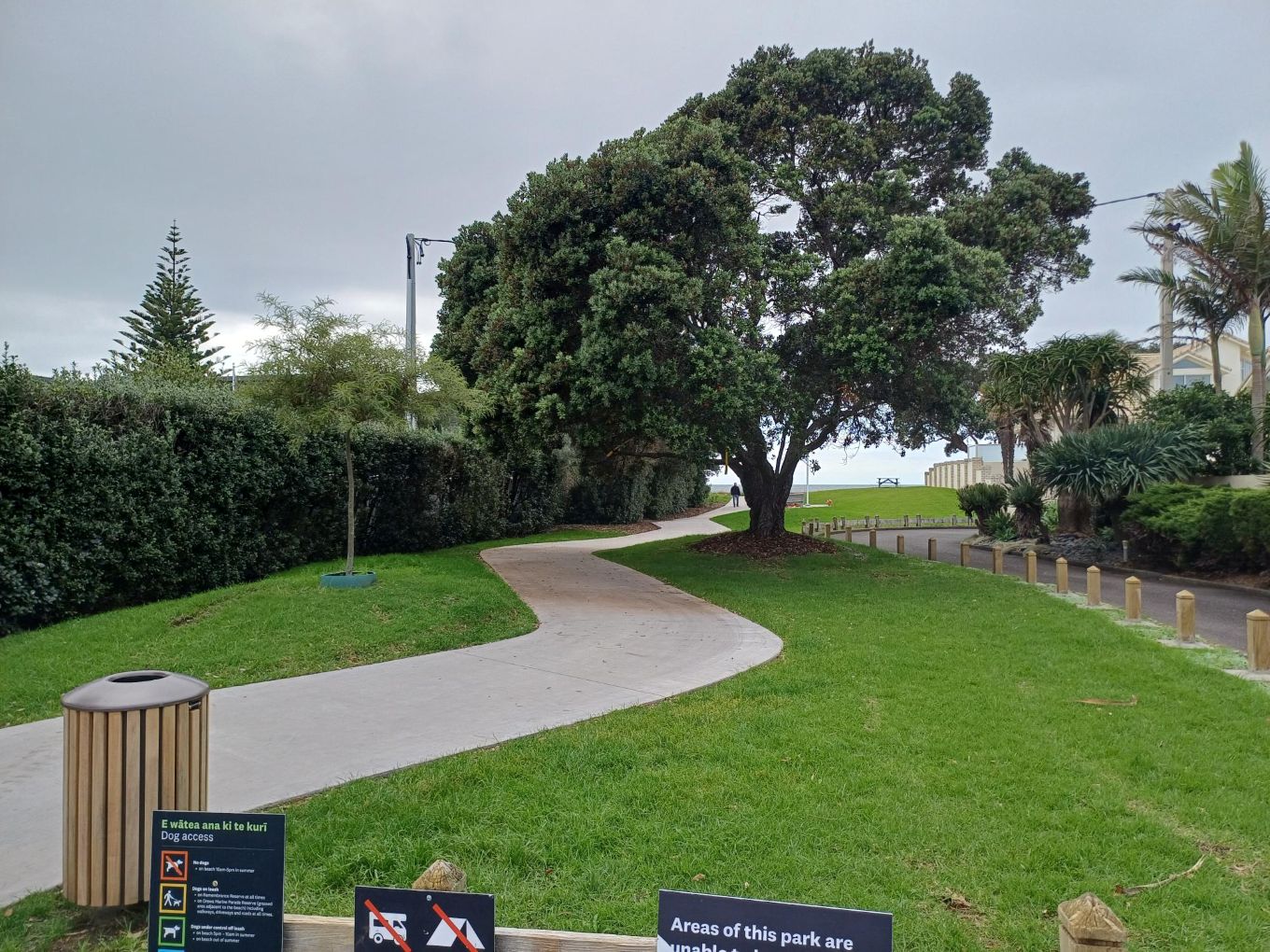
The new shared pathway for residents and visitors to use and enjoy.
About the project
The Ōrewa Beach Esplanade Enhancement Programme initially identified the section between Kohu Street and Marine View as the area at highest risk.
Assessment was based on progressive erosion of the narrow width of remaining esplanade reserve, providing public access along a section of Ōrewa Beach, as well as the need to improve access along and onto the beach for a range of people.
The Ōrewa walkway and seawall is a 600m-long seawall and shared path, between Marine View and Kohu Street, as well as a shared space and beach enhancements at Kinloch Reserve. The total budget for this project was $21.6 million.
Along with the seawall and shared pathway, the project included planting along the walkway and in Kinloch and Kohu street reserves, inground lighting, three ramps and five sets of stairs to improve accessibility to the beach. The design sought to minimise impact to existing vegetation and protect pōhutukawa trees currently at threat from erosion.
The project went through extensive consenting processes, including hearings and Environment Court appeals. The Environment Court granted resource consent for the seawall in August 2020, including direction on the final design to minimise impacts on the coastal environment. This was achieved with funding from Hibiscus and Bays Local Board's One Local Initiative.
The construction started in October 2024 and project completion was in June 2026.