


Auckland Mayor Wayne Brown says Auckland ratepayers could ultimately be worse off under the government’s rates cap scheme announced today.
"The government's offering a slogan, but the reality is that a rates cap won't solve the underlying problem, in fact, could make it worse" Mayor Brown says.
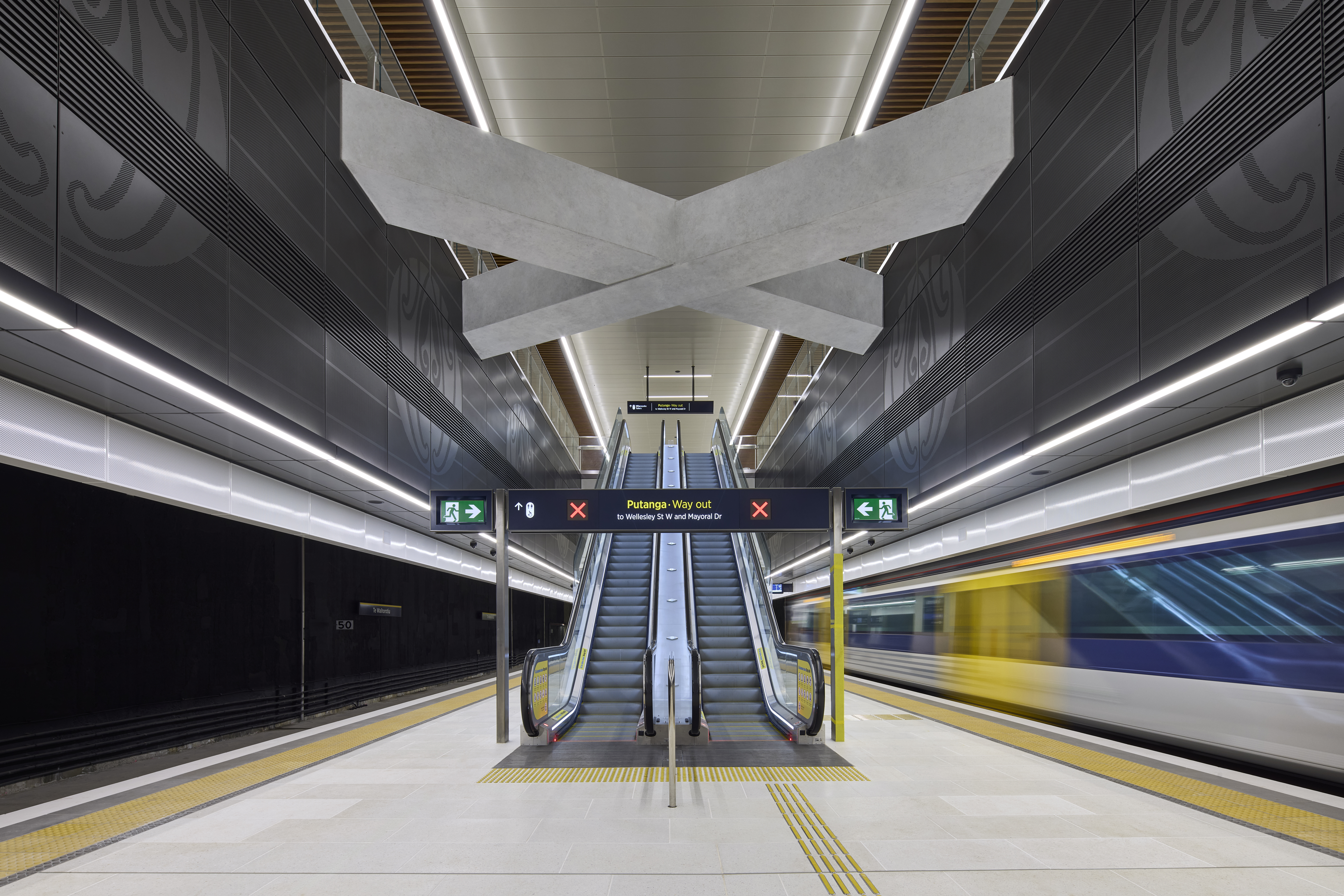
"Councils still have to fund the infrastructure and services their communities need. Auckland also has major commitments such as the City Rail Link, which arose from decisions made by previous governments and councils."
Mayor Brown says councils across New Zealand are facing increasing costs while continuing to deal with significant infrastructure investment requirements and a washing machine of unfunded mandates from Wellington.
“Councillors worked hard to keep rate rises down and still provide services. So, we don’t need a simplistic idea to keep doing what we’re doing,” says the Mayor.
“Interestingly, neighbouring areas are seeking to join Auckland council as our rates are lower and we offer more services.
“The audacity of a rates cap when the Government’s tax take has gone from $77 billion to $115 billion over the past five years, and rates have only gone from $1.9 billion to $2.7 billion is baffling.
"The government also pays little or no rates on many of their properties and facilities that Auckland Council services. Ratepayers are effectively picking up the tab for this.”
“The main reason for our most recent rates increase is because we have to pay for the City Rail Link – a project the Government is jointly responsible for.
“Auckland councillors have worked to keep our rates increases low, despite the double-digit rates rises up and down the country.
“To be frank, a rates cap could actually lead to higher costs for future ratepayers, all for a can of baked beans.”

Mayor Brown says a cap could affect Auckland Council’s credit-ratings making it more expensive to pay for the interest used to fund planned projects.
“Credit rating agencies Moodys and S& P Global Ratings have indicated that measures like this could be “credit negative” for Auckland Council,” says the Mayor.
“Auckland has maintained its strong credit rating through prudent financial management, and a credit rating downgrade could increase borrowing costs putting further pressures on rates, infrastructure investment and service levels.
“The government’s own Regulatory Impact Statement on pages 5 and 6 says in typical bureaucratese that there is a 'mismatch' between the identified problem and the proposed solution, and that it 'does not meet quality assurance criteria'."
“This is pretty damning criticism from the government’s own officials. I agree with them that this ‘does not meet the quality assurance criteria’.”
Deputy Mayor Desley Simpson says Auckland Council feels how hard it is for Aucklanders and has worked hard over a long period to keep its rates as low as possible.
“Our current Long-term Plan has rates rises of no more than 3.5% from 2027/2028 until 2033/2034 which sits within the government's proposed rates cap. I am focussed, along with the Mayor, on keeping that Long-term Plan commitment. To help achieve that we have a savings target of $106m this year which to give some context is bigger than the current rates revenue of 54 of New Zealand's councils.”
Mayor Brown says the government needs to be more honest about how a rates cap could work in practice.
"If the goal is to keep rates low, then the government needs to be honest about the real-world consequences,” says Mayor Brown.
"As Mayor of New Zealand's largest city, I'm telling them that this proposal could have exactly the opposite effect."