


Auckland Mayor Wayne Brown is urging Aucklanders to provide feedback on three shortlisted options being considered for a future Time of Use Charging scheme.
Engagement on the options, aimed at reducing congestion and keeping the city moving, begins in November.
"Congestion is one of Auckland's biggest challenges and we need practical solutions to address it," says Mayor Brown.
"Traffic congestion is costing Auckland's economy around $2.6 billion every year. It's hurting productivity, impacting businesses and wasting people's time. This is a significant problem that requires significant change. We can’t afford to do nothing.”
The three shortlisted options follow extensive work that assessed 13 potential approaches, ranging from a lower cost city centre scheme with modest benefits, to a more comprehensive scheme including core motorway that will charge more but delivers wider benefits.
Public feedback will help inform the council's next steps as planning continues.
Mayor Brown says the project aligns with his transport reform agenda, which focuses on reducing congestion, improving travel reliability and ensuring Aucklanders get better value from transport investment.
"My transport reform puts decision-making and planning for Auckland's roads back into the hands of the elected members Aucklanders voted in to make decisions on their behalf,” says the Mayor.
"There is no single solution to congestion, but Time of Use Charging could become an important tool to support smarter travel choices, make better use of current roads and ensure future investment is targeted where it will make the biggest difference.”
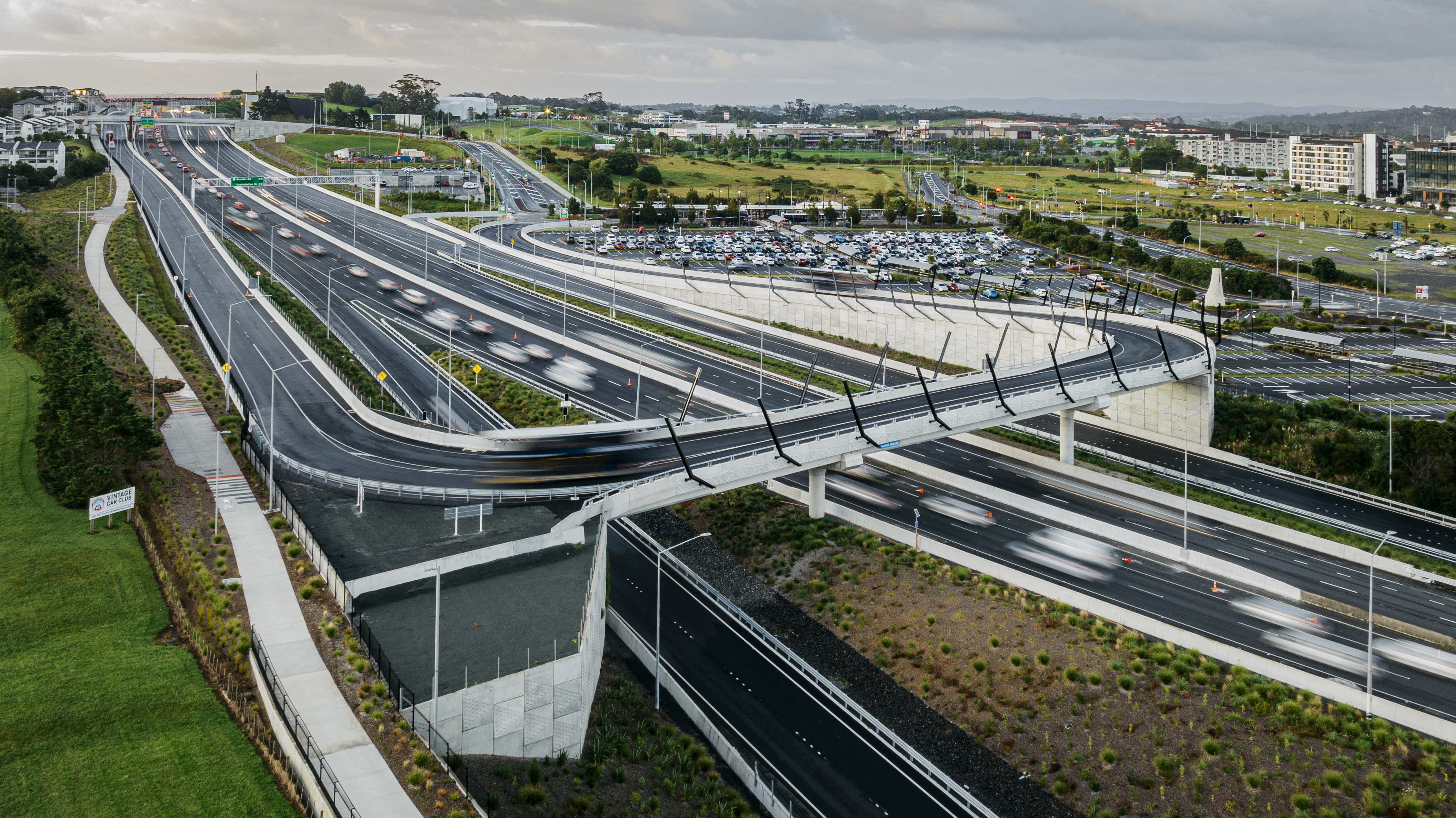
Time of Use Charging is a form of congestion charging that encourages people to consider alternative travel options, including using public transport, carpooling or travelling outside peak periods. Charging can be applied to specific roads, areas of the city, or a combination of both.
The Government passed enabling legislation for Time of Use Charging in late 2025, creating a framework for schemes to be developed across New Zealand. The legislation comes into effect in November 2026.
While Auckland Council is progressing planning work, Mayor Brown noted that any scheme remains some time away.
"The legislation doesn't come into force until the end of this year, and the latest advice is that it could take several years before any scheme is designed, approved and implemented. Unfortunately, that means our motorways are likely to continue looking like carparks at peak times for a while yet,” says Mayor Brown.
Under the legislation, Auckland Council can choose to propose a Time of Use Charging area, which would trigger the formation of a Scheme Board made up of representatives from Auckland Council and NZ Transport Agency Waka Kotahi, with an independent chair.
The Scheme Board would be responsible for developing a detailed scheme design, assessing impacts, undertaking public consultation and making a formal recommendation.
Any final proposal would need approval from Auckland Council and the Minister of Transport before implementation.
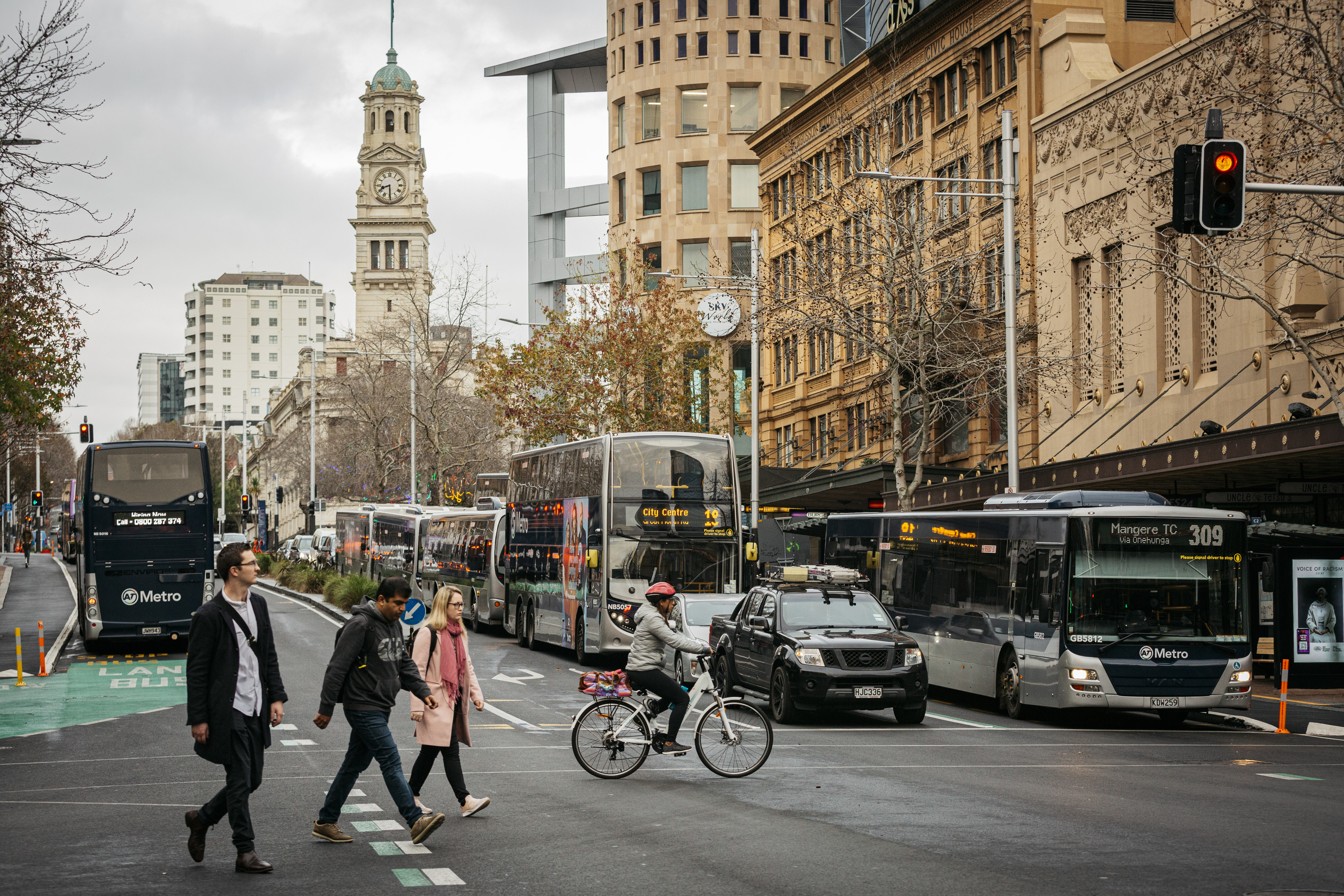
Council staff are working toward a final council decision on a potential scheme in early 2028, with Ministerial approval to follow if a preferred option proceeds. Subject to approvals, implementation would likely take several more years.
"Aucklanders deserve a transport network that works," says Mayor Brown.
"We have narrowed the choices down to three options. Now we want to hear from Aucklanders so we can identify the approach that delivers the best outcomes for our city, our economy and our communities."
Fast Facts:
- Time of Use Charging is designed to reduce congestion by encouraging changes in travel behaviour.
- The charging system can be applied to specific roads, geographical areas, or a combination of both.
- In 2023, Auckland Council's Transport, Resilience and Infrastructure Committee endorsed the establishment of a programme team to advance Time of Use Charging investigations.
- Parliament passed enabling legislation in late 2025, with the law taking effect in November 2026.
- Auckland Council is working toward a decision on whether to progress a scheme in early 2028.