


When Cyclone Gabrielle and the Anniversary Weekend floods hit Tāmaki Makaurau in early 2023, the impact in Pukekohe was swift and confronting.
“It was a pretty traumatic 24 hours,” recalled Robyn Driver, CEO of community organisation Mai Lighthouse.
“Heavy rain is nothing new for Franklin, but this was different. The level and pace of flooding caught many of us off guard.”
In parts of Pukekohe, particularly along the Whangapouri Creek corridor, water surged through homes overnight.
“It decimated a small area, but that area included a significant proportion of our lowest socio-economic community. People who already had very little suddenly had even that taken away.”
The level and pace of flooding caught many residents off guard. By morning, the scale of the damage became clear - debris scattered through streets, ruined belongings piled high, and the realisation that some homes would never be lived in again.
Meeting immediate and long-term needs
For Jan Wallace, Director of Pukekohe Community Action, the crisis quickly turned into action.
“We were going into houses where people said, ‘No, we’re fine,’” she says. “But in one case, the husband then came out and said, ‘No, we’re not. We have nothing left.’”
For Jan, the experience underlined a deeper issue of community connection.
“They were right next door to the Rātana Church who were providing support, but they didn’t feel they had anywhere to go,” she says.
“We have to make sure people in our rural communtities aren’t feeling isolated, that they know there are places where they will be welcomed in these situations.”
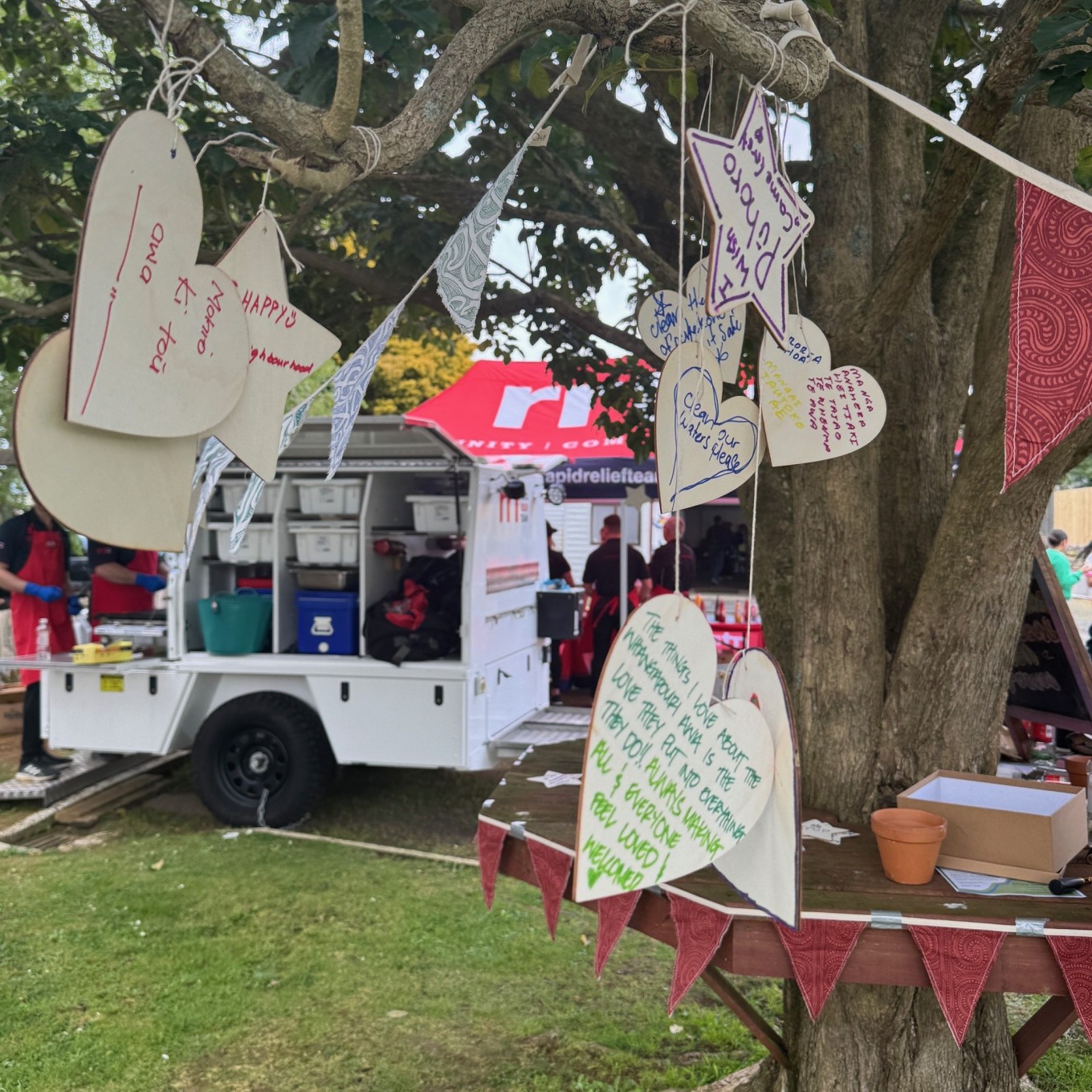
Local connection remains an important focus for Pukekohe residents.
Alongside food parcels and distributing emergency supplies like water, blankets, and clothing, Jan recalled it was also important to restore the mana of the community.
“It was giving them options, something as simple as; ‘what spread do you want for your food?’ and helping people's self-esteem, their feeling of self-worth and ensuring they didn’t feel judged.”
Where the community is now
Like many communities, Pukekohe has moved from shock and collective response into a preparedness phase of recovery.
“There’s a risk we become complacent,” says Robyn. “We get weather warnings, and when we don’t get flooding, people relax. But we have to keep the conversation going.”
Maintaining strong links with council is part of that work. Community leaders like Robyn and Jan see themselves as a bridge – ensuring residents understand the purpose of infrastructure projects, and that council understands the evolving needs on the ground.
One such project is being led by Auckland Council’s Healthy Waters department - replacing the existing Paerata Road culvert with a 12-metre-long bridge over Whangapouri Creek, to improve floodwater management and enable the stream to flow more freely.
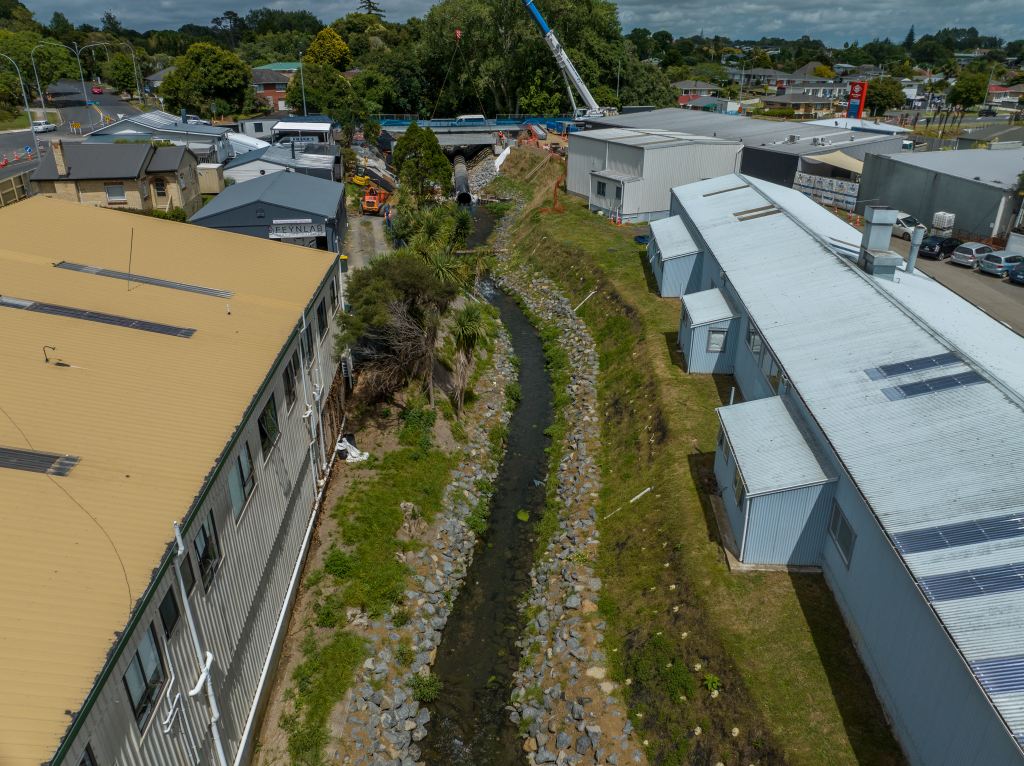
Works on the Whangapouri Creek near completion.
The $15 million project also includes implementing erosion protection and slope stabilisation along the stream banks to enhance resilience, and forms part of a wider stormwater improvement programme aimed at reducing the floodplain and supporting growth in the area. The project is expected to be completed in March 2026.
Looking ahead
For Jan and Robyn, the work remains ongoing. It’s about strengthening relationships between community groups, agencies, and churches – highlighted by the recently completed Whangapouri Creek Recovery Plan.
“We’re losing some of that historical rural connection,” says Robyn. “People are moving in who don’t know the flood risks, and who don’t yet have connections to community groups or churches.”
“When something happens again – whether it’s a flood, a fire or an earthquake – people need to know their neighbours, know what’s in their emergency pack, and know where to go.”
Another programme making a powerful difference is Seasons for Growth, which supports people navigating significant change. Delivered by Pukekohe Community Action in group and individual settings, it helps both tamariki and adults process upheaval like losing a home and changing schools or communities.
“It’s about having someone really listen, and be there during a period of change” says Jan.
“Paticularly for those living alone and rurally, it’s about giving them a platform to feel heard, and be connected for future events.”
How to get involved
Getting involved in your community helps build resilience for future weather events. If you’d like to get involved, there are plenty of meaningful ways, including:
-
Community events: The upcoming Little Green Expo on March 7 brings together guest speakers, environmental groups, stalls and practical workshops that share information about water infrastructure and resilience.
-
Local community groups: such as Mai Lighthouse, Pukekohe Community Action and Community Networks Franklin.
-
Backing local enterprise: local businesses were part of the response and recovery too - supporting them helps keep these places thriving.