


Keeping Auckland's streams, harbours and beaches healthier is the goal of a new Auckland Council programme using innovative technology to reduce one of the region's biggest sources of water pollution - sediment.
Sediment is soil that washes into waterways from activities such as construction, earthworks and erosion. It can make water cloudy, harm marine life and damage the health of rivers, estuaries and harbours.
To help tackle the problem, Auckland Council is using new technology, including smart cameras, satellite imagery and machine learning, to identify sediment risks earlier and respond before pollution reaches waterways.
Chair of the Policy, Planning and Development Committee, Cr Richard Hills, says protecting Auckland's waterways is a priority for the region.
"All Aucklanders care and want our waterways to be clean and healthy. This programme is about protecting them now and for future generations. We're focusing on stopping sediment before it reaches our streams and harbours – and we're seeing real improvement as a result," says Cr Hills.
Smarter tools helping protect the environment.
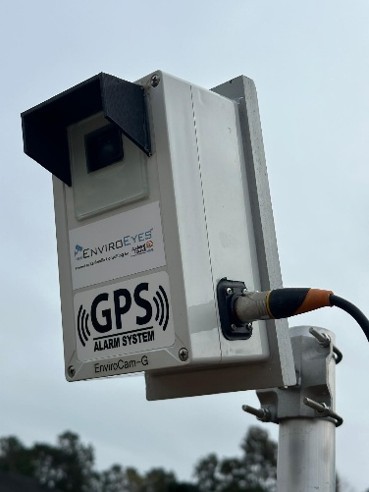
Camera setup used for site monitoring through the EnviroEyes™ platform.
New technology is helping council teams identify high-risk sites more quickly and focus efforts where they can have the greatest impact.
This includes EnviroEyes™ smart cameras that monitor sediment ponds on construction sites and satellite technology that detects exposed soil across Auckland.
Senior Analyst Dr Jacquie Reed says the technology is already making a difference.
"Real-time monitoring is helping identify where sediment is coming from and staff can proactively guide activities on-site to improve construction work and minimise sediment loss. We are building a network of new technology to support proactive compliance staff so they can respond to pollution events and sediment issue alerts. Their investigations are looking to get ahead of any sediment issue."
The programme also supports erosion reduction in rural areas through initiatives such as planting hillslopes and gullies, restoring wetlands and working with landowners on farm planning.
Larger restoration projects, including the Kaipara Moana Remediation programme and catchment restoration work, are also helping improve water quality over the long term.
Related: Learn about the innovative Swiss technology being trialled to protect Auckland's harbours.
Working with industry and communities
Alongside new technology, Auckland Council is working with the construction sector, iwi and community groups to improve environmental practices and reduce sediment entering waterways.
Between July 2025 and June 2026, council officers carried out more than 1,400 construction site inspections each month on average. Compliance rates have improved significantly since 2019, with education supported by enforcement where needed.
Dr Reed says collaboration is an important part of achieving lasting improvements.
"The programme is a collaborative effort, involving council teams, the construction and earthworks sector, iwi, and community groups."
Looking ahead
Auckland Council has also developed a long-term Sediment Roadmap that sets out how the region will continue improving soil and water health through to 2100.
The roadmap focuses on:
- reducing exposed soil now
- improving land management over time
- restoring healthy ecosystems for future generations